
End RHD CRE News & Events
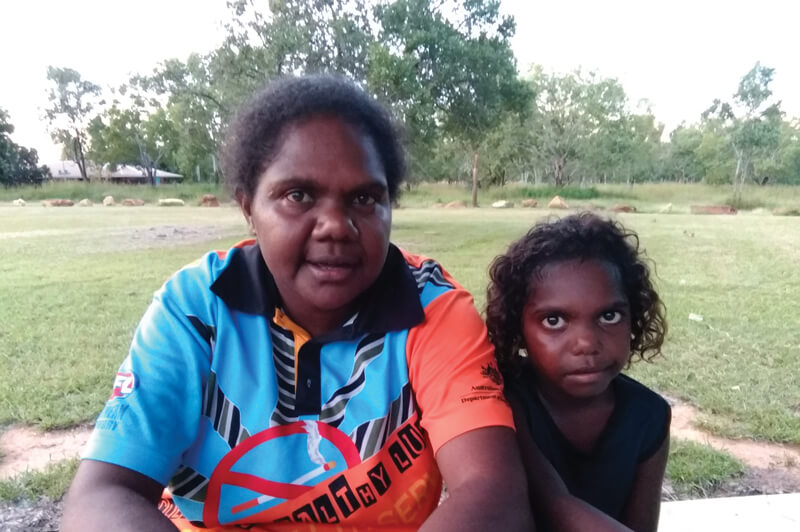
Collaboration is the driving force behind ‘END RHD Demonstration Communities’ – a new community-driven, research-backed approach to tackling rheumati…
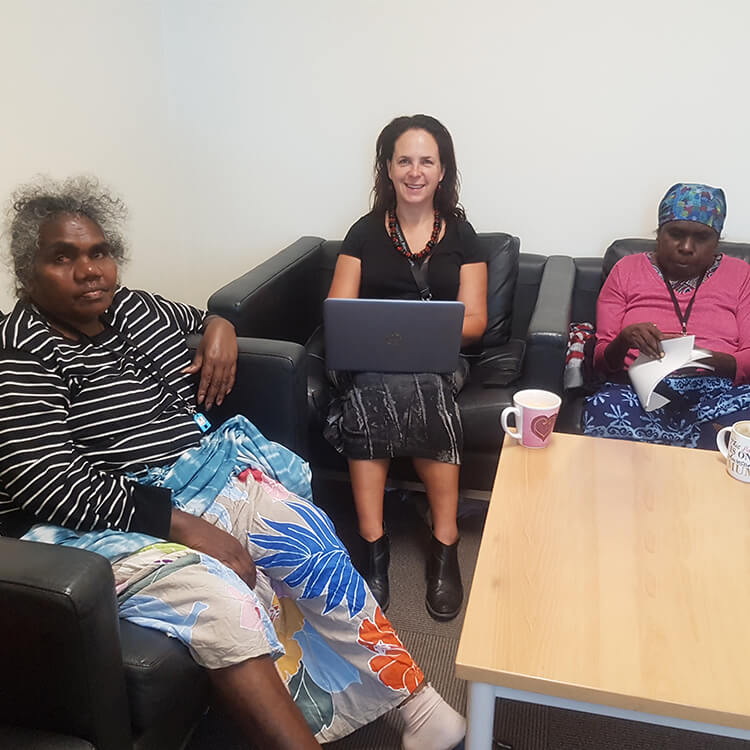
For Aboriginal Community Researchers Minitja Marawili and Yunutju Gondarra, the work of the END RHD CRE is deeply personal.
The rates of RHD in Timor-Leste are among the highest in the world, and prevalence is higher among girls than boys. Community engagement is essential…
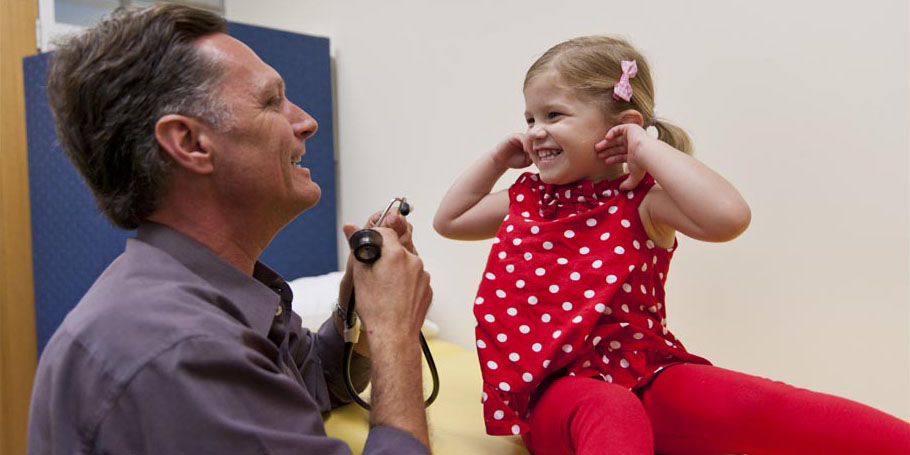
Leading paediatrician, infectious diseases specialist and Executive Director of The Kids Research Institute Australia, Professor Jonathan Carapetis,…
The World Health Organisation resolution for global action to tackle rheumatic heart disease (RHD) will have significant implications for Australia,…
The rates of RHD in Timor-Leste are among the highest in the world, and prevalence is higher among girls than boys
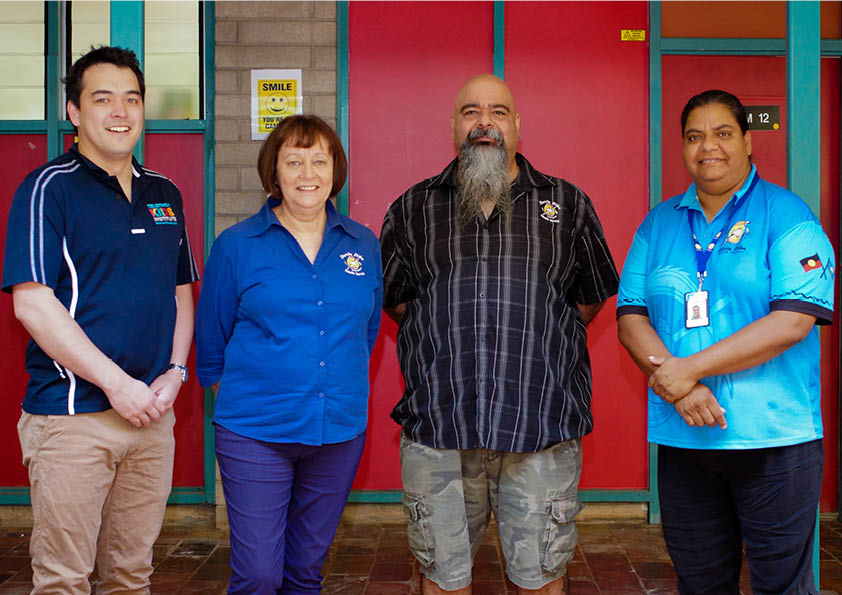
The Kids Research Institute Australia and Menzies School of Health Research have joined forces with Danila Dilba Health Service to look at improving…

In a WA first, researchers from The Kids Research Institute Australia have shown that Aboriginal babies are 22.5 times more likely to be treated for…
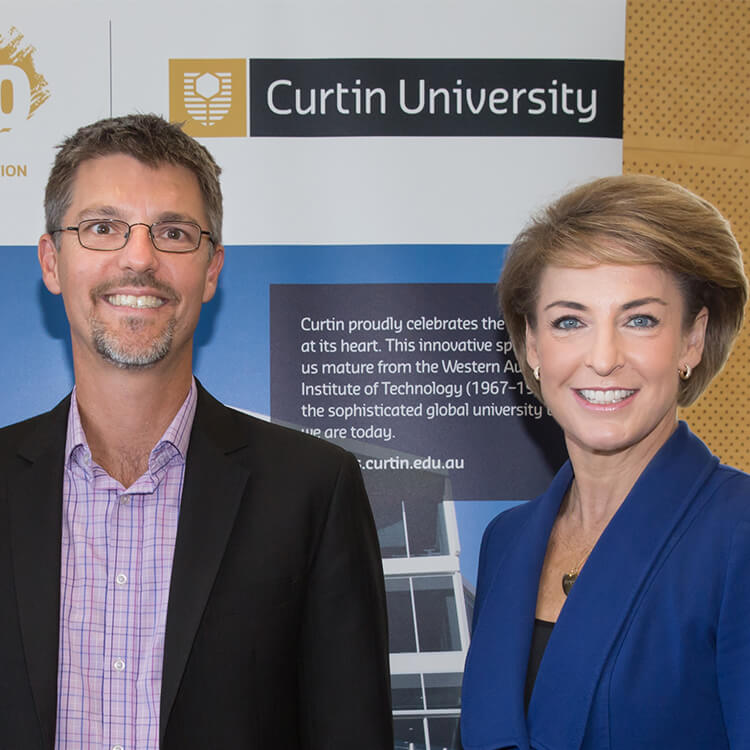
The Kids Research Institute Australia researchers have been awarded more than $8 million in prestigious project grants from the NHMRC.