
Search

Paediatric infectious disease expert and clinician-scientist Associate Professor Asha Bowen has been named as the Emerging Leader in Science at the country’s most prestigious science awards – the Australian Museum Eureka Prizes.
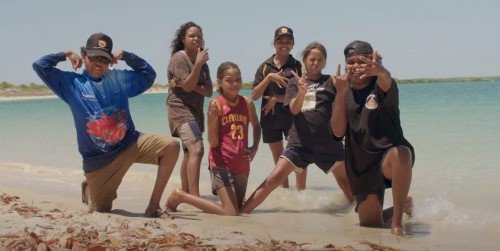
The Kids Research Institute Australia researchers have launched the Hip Hop 2 SToP video featuring school kids participating in their SToP Trial project designed to see, treat and prevent skin infections in WA’s Kimberley region.
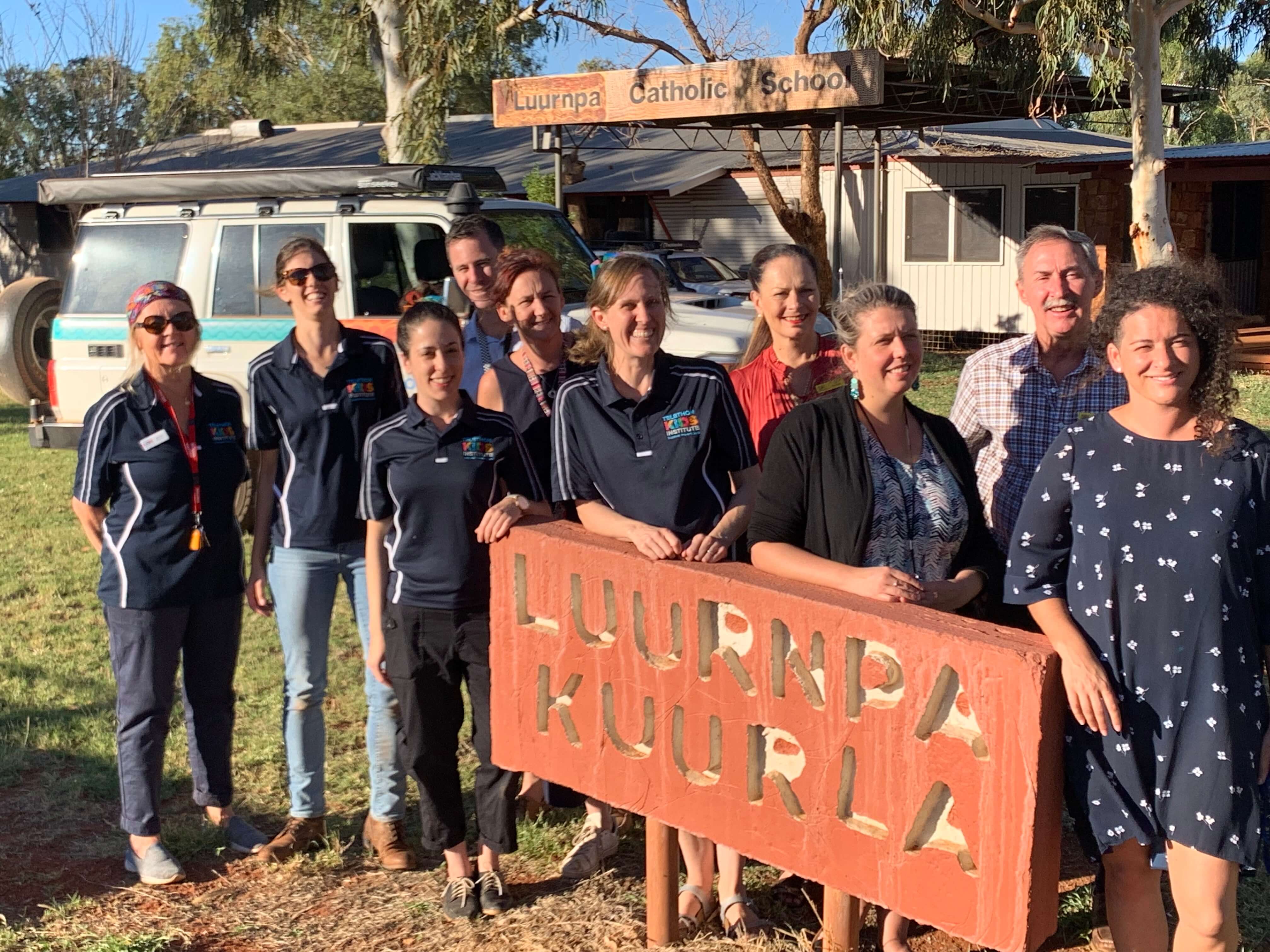
The The Kids Skin Health team has a busy six weeks ahead - visiting nine communities throughout the Kimberley region of WA as part of the first school surveillance activities for the SToP Trial.
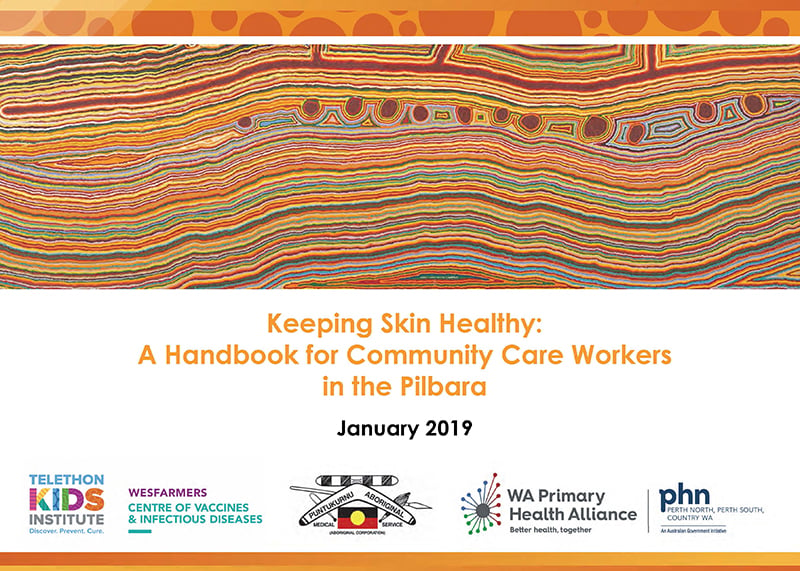
A year after launching the first National Healthy Skin Guideline to address record rates of skin infections in Australia’s Indigenous communities, The Kids Research Institute Australia has released a new resource as part of the guideline.
Port Hedland is hosting some of Australia’s most respected health researchers this week as they join forces with local health professionals to improve the health of people living in the tropical north of the country.
Children spend almost one-third of their waking hours at school. Streptococcus pyogenes (Strep A) is a common childhood bacterial infection that can progress to causing serious disease. We aimed to detect Strep A in classrooms by using environmental settle plates and swabbing of high-touch surfaces in two remote schools in the Kimberley, Western Australia.
Mycobacteroides abscessus (MABS) is within the non-tuberculous mycobacteria family. It inhabits soil and water, exhibits multi-antibiotic resistance and causes opportunistic lung infections, which may progress to symptomatic MABS-pulmonary disease (MABS-PD) associated with substantial morbidity, increased healthcare utilisation, impaired quality of life and increased mortality.
Staphylococcus aureus bloodstream (SAB) infection is a common and severe infectious disease, with a 90-day mortality of 15%-30%. Despite this, <3000 people have been randomized into clinical trials of treatments for SAB infection.
Recruitment in research can be challenging in Australian Aboriginal contexts. We aimed to evaluate the SToP (See, Treat, Prevent skin infections) trial recruitment approach for Aboriginal families to identify barriers and facilitators and understand the utility of the visual resource used.
Group A Streptococcus (Strep A) is responsible for a significant global health and economic burden. The recent prioritization of Strep A vaccine development by the World Health Organization has prompted global research activities and collaborations. To progress this prioritization, establishment of robust surveillance for Strep A to generate updated regional disease burden estimates and to establish platforms for future impact evaluation is essential.