Skip to content

Search

Showing results for "aboriginal respiratory"

Starting the SToP trial: Lessons from a collaborative recruitment approach

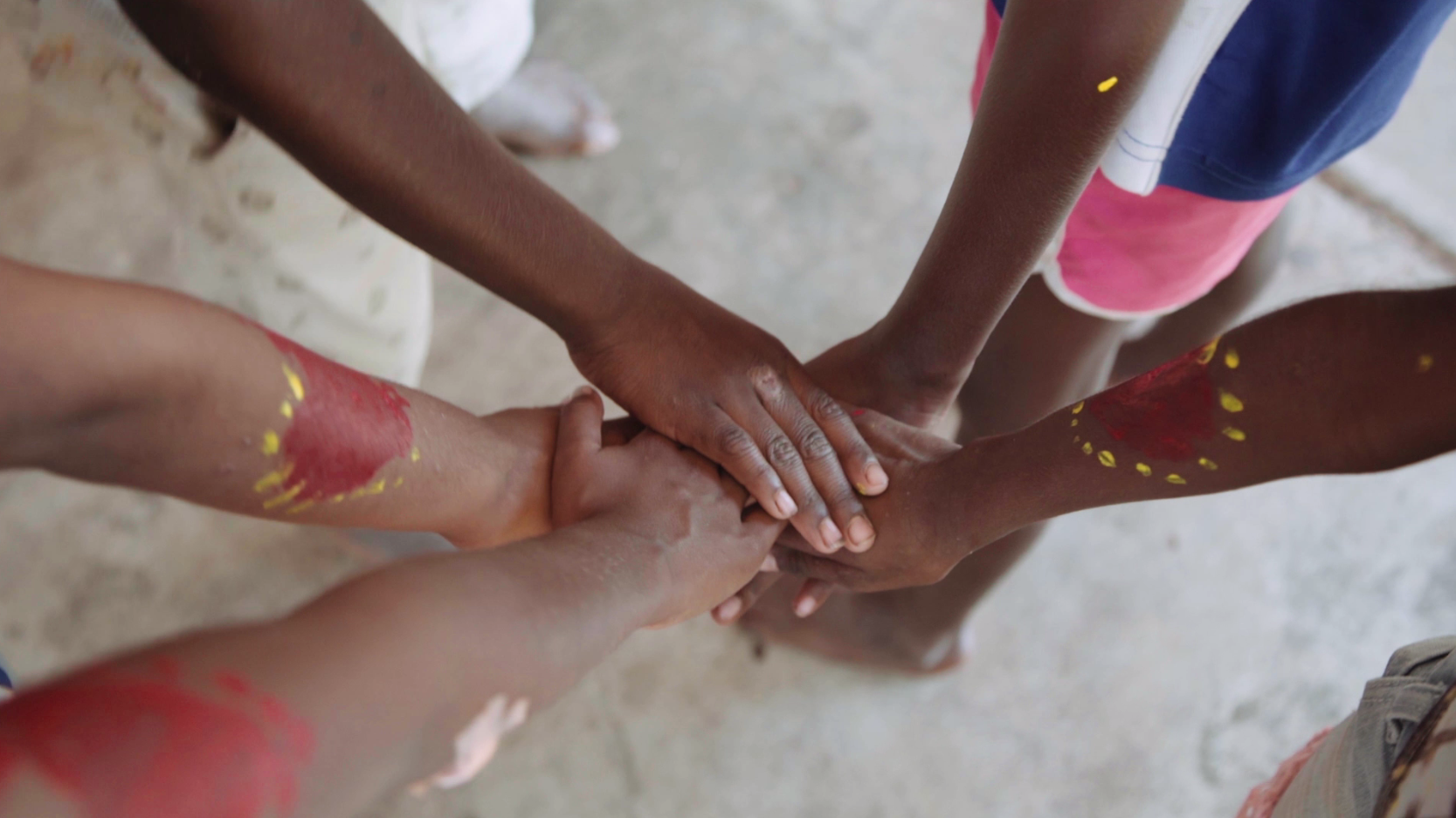
Recruitment in research can be challenging in Australian Aboriginal contexts. We aimed to evaluate the SToP (See, Treat, Prevent skin infections) trial recruitment approach for Aboriginal families to identify barriers and facilitators and understand the utility of the visual resource used.

Cultural safety resources

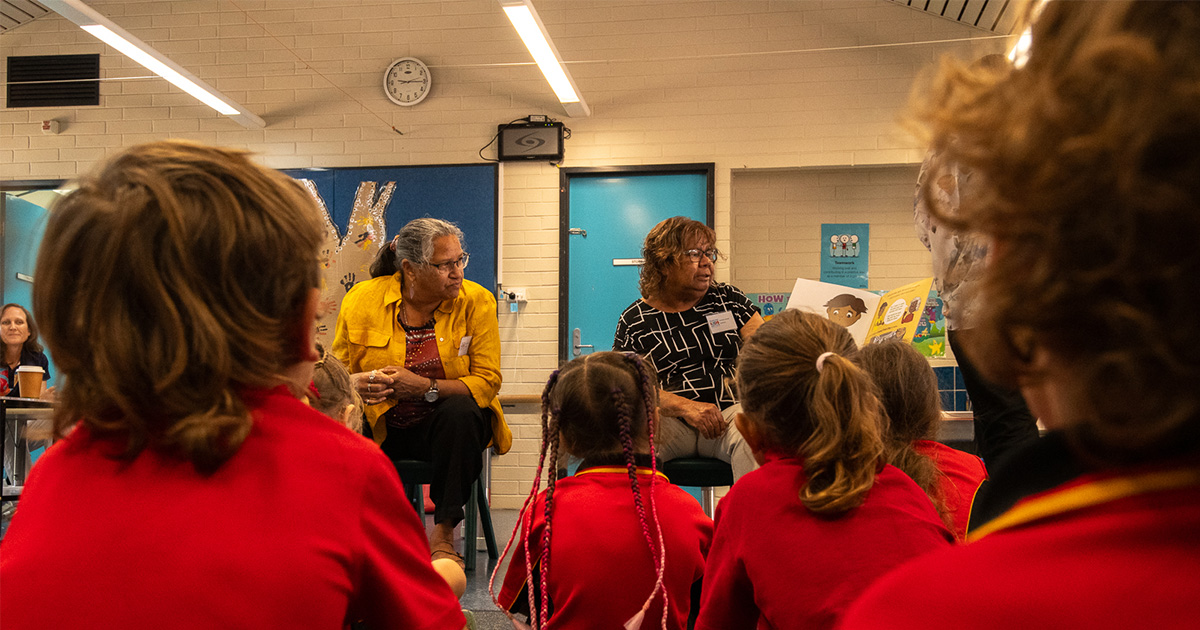
A hub of resources to support cultural safety for Aboriginal and Torres Strait Islander young people, families, and communities.

Giving wings to a generation of Indigenous leaders

In 2005, The Kids Research Institute Australia won a National Health & Medical Research Council Indigenous Capacity Building Grant.

Walkern Katatdjin (Rainbow Knowledge)

Shakara Yael Bep Liddelow-Hunt Perry Uink BPhil(Hons) BPsych (Hons) MPsych (Clin) PhD BPsych(Hons.), MAppPsy(Clinical), PhD Research Assistant; PhD

New study to better understand how bronchiectasis develops during childhood

A new research project – the WA Paediatric Bronchiectasis Cohort Study – officially commenced this month with the aim of looking at children with bronchiectasis in Western Australia, like nine-year-old Holly (pictured), to better understand how this disease develops during childhood.

Common asthma drug gives hope for better lung health for some preterm babies

A new study has found a common asthma drug is effective for some very premature babies who go on to suffer from lung complications.

Unravelling the mystery of persistent wheeze in children: Study reveals crucial immune cell differences

The study found the rare immune cells, known as plasmacytoid dendritic cells, showed clear signs of activation and virus defence in children with transient wheeze, whereas in children with persistent wheeze the same immune cells showed very limited activation without any signs of virus defence.

Conservation of gene expression patterns between the amniotic and nasal epithelium at birth

Amniotic epithelial cells are fetal-derived stem cells, capable of differentiating into all three germ layers, including mature epithelial cell populations. Here, we hypothesised that the amniotic epithelium might serve as a surrogate tissue source for investigating transcriptional profiles in the respiratory epithelium of newborns.

Estimating the true number of people with acute rheumatic fever and rheumatic heart disease from two data sources using capture-recapture methodology

In Australia, accurate case ascertainment of acute rheumatic fever (ARF) and rheumatic heart disease (RHD) diagnoses for disease surveillance and control purposes requires the use of multiple data sources, including RHD registers and hospitalisation records. Despite drawing on multiple data sources, the true burden of ARF/RHD is likely to be underestimated.

The Kids Research Institute Australia researcher wins Premier’s Science Award

Infectious diseases researcher, Dr Asha Bowen, has won the Early Career Scientist of the Year Premier's Science Award for 2017.