
Search
Showing results for "Neuromuscular disorders "
Trans individuals face elevated health risks and socio-environmental challenges, influencing their engagement in health-protective behaviors (e.g. exercise and nutrition). Despite these challenges, there is a significant gap in understanding the specific eating and exercise experiences of Australian trans adults, including barriers to healthy behaviors and healthcare experiences. This study aims to address this gap by exploring these experiences, informing targeted interventions and healthcare practices to improve health outcomes.
Peers play a crucial role in supporting wellbeing and psychosocial development for young people aged 12-25. However, a cancer experience often leads to challenges maintaining friendships. There have been no prior attempts to map or synthesise available research or resources on support specifically from friends for young people with cancer, limiting the capacity to draw conclusions or determine next steps for how to best support young people with cancer. This review aims to address this gap by mapping and synthesising the available literature and resources.
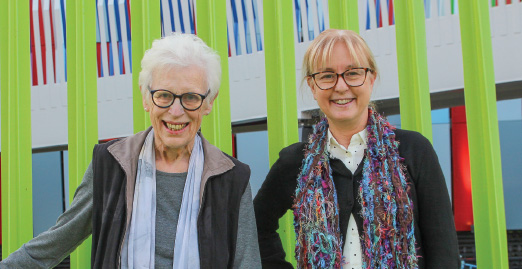
The Kids Research Institute Australia is helping scientists across the globe inch their way towards clinical trials which could, at last, provide relief for children and families dealing with CDKL5.
Behavior change techniques (BCTs) have been extensively used in physical activity interventions for children, however, no systematic reviews have synthesized their effects.
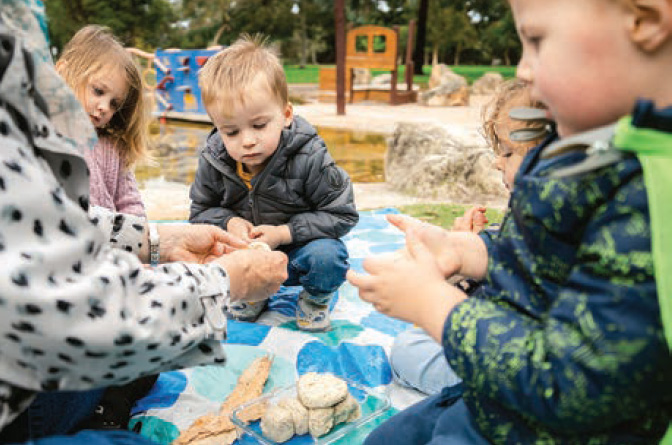
The ORIGINS Project is a decade-long longitudinal study of more than 18,000 individuals including mothers, partners and children, as part of a collaboration between The Kids Research Institute Australia and Joondalup Health Campus.

ORIGINS sub-project, The Flourishing Child, has received a $746,051 grant from the Medical Research Future Fund to develop a Flourishing Assessment and Pathway Tool to address gaps in early intervention for children's mental health.
Child health experts are concerned by a significant increase in the number of Australian children requiring learning support at school.
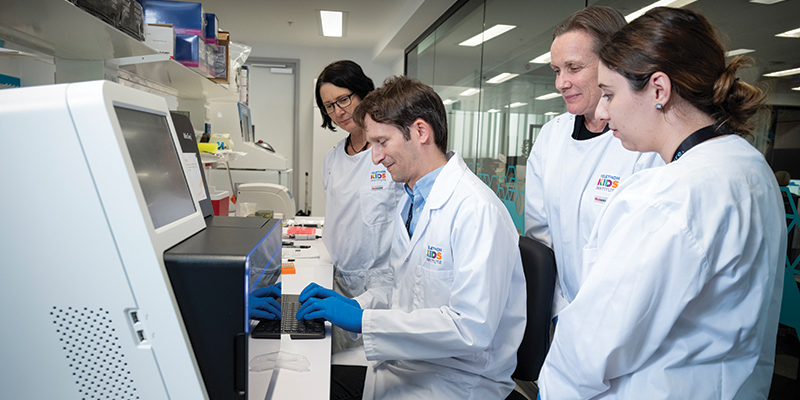
The Kids Research Institute Australia researchers are at the forefront of rapid improvements in the diagnosis of rare diseases.
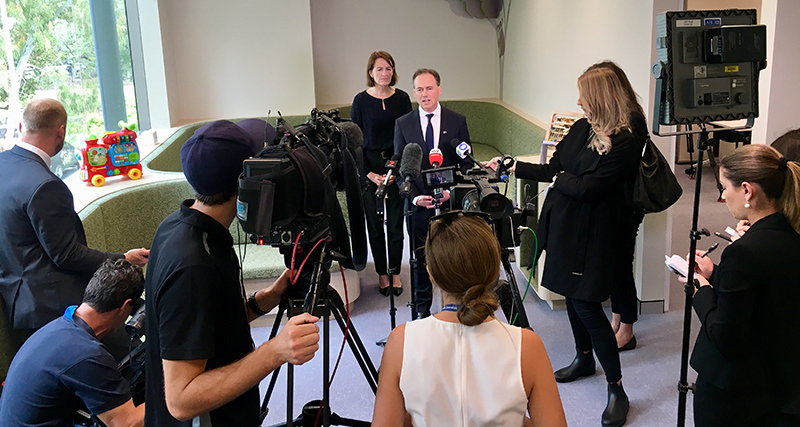
Western Australian babies and children with autism and developmental delay will be able to access world-first therapies and interventions backed by the latest research, thanks a unique clinical service developed by The Kids Research Institute Australia.
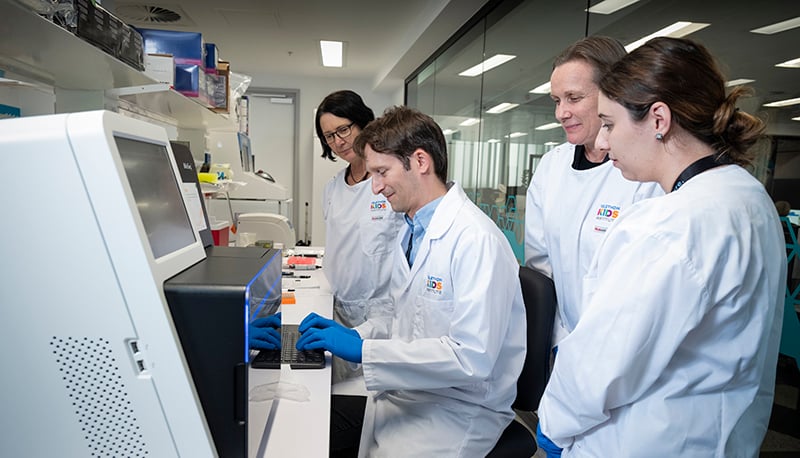
Researchers at The Kids Research Institute Australia working to provide confident diagnoses for children suffering from rare diseases have created a new computer algorithm to help pinpoint the mutations responsible for the conditions.