
Search
Showing results for "Neuromuscular disorders "
Melissa Helen O'Donnell Leonard BPsych (Hons), MPsych, GradDip Ed, PhD MBChB MPH Honorary Research Associate Principal Research Fellow +61 419 956
Melissa Fiona O'Donnell Stanley BPsych (Hons), MPsych, GradDip Ed, PhD FAA FASSA MSc MD FFPHM FAFPHM FRACP FRANZCOG HonDSc HonDUniv HonFRACGP HonMD
Carrington Fiona Shepherd Stanley PhD FAA FASSA MSc MD FFPHM FAFPHM FRACP FRANZCOG HonDSc HonDUniv HonFRACGP HonMD HonFRCPCH HonLLB (honoris causa)
Listening to children and families about what is important to them when visiting Child Development Services (CDS) can provide valuable insights.
Peter Shelley Jacoby Gorman BA (Hons) MSc BSc (Hons) PhD Biostatistician Honorary Research Associate Peter.Jacoby@thekids.org.au shelley.gorman@
Keely Leanne Amy Bebbington Fried Finlay-Jones MClinPsych/PhD BSc DipEd MSpEd EdD BPsych(Hons), MPsych(Clinical), MHealthEcon, PhD (Clin Psych)
Amy Penelope Yael Finlay-Jones Strauss Perry BPsych(Hons), MPsych(Clinical), MHealthEcon, PhD (Clin Psych) BA, MPH, PhD BPsych (Hons) MPsych (Clin)

We are trying to understand what underlies mental health problems in young people with diabetes, with a school-related focus, and how we can best treat them.
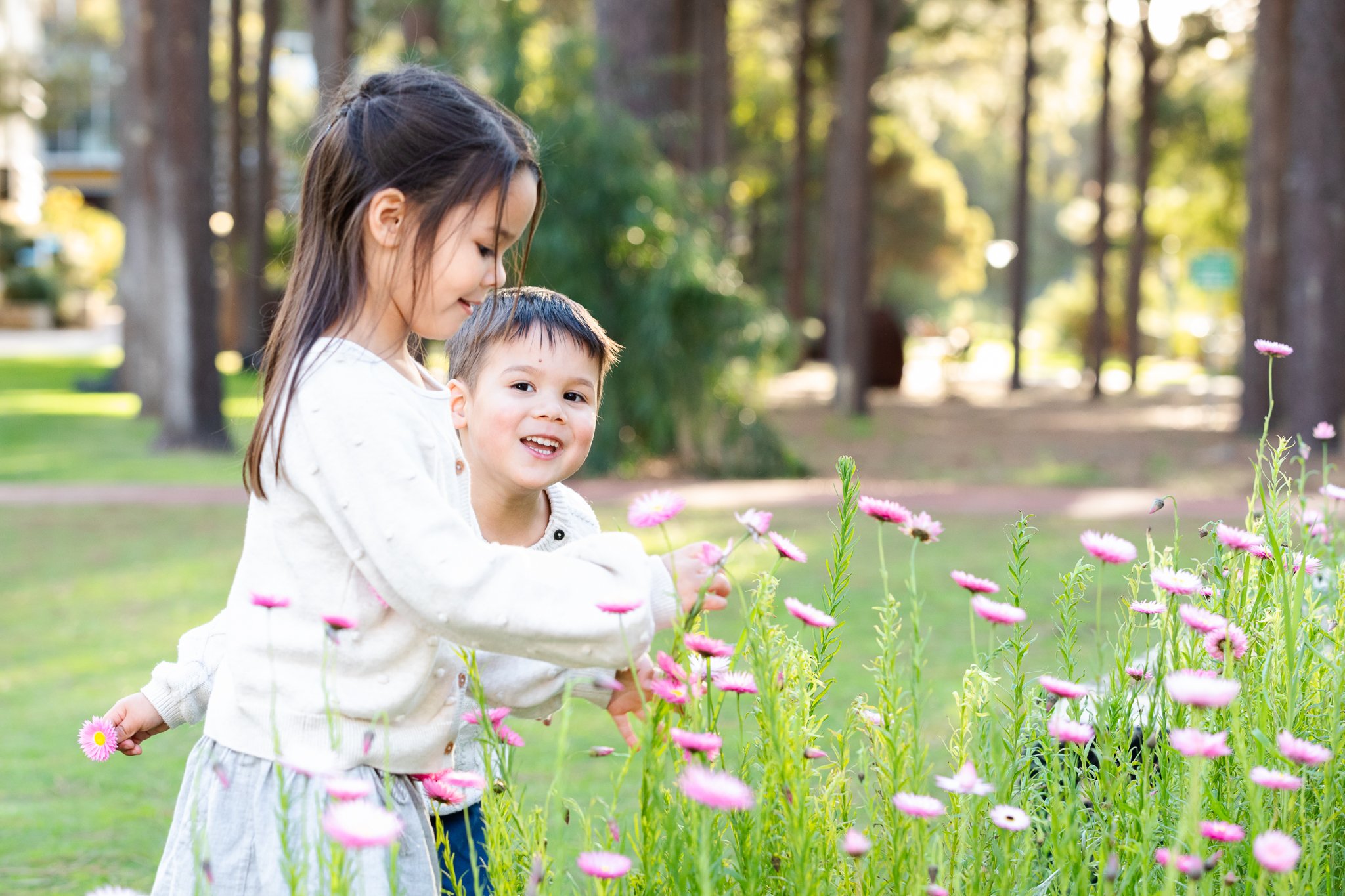
The ultimate goal of ORIGINS is to reduce the rising epidemic of non-communicable diseases through 'a healthy start to life'.
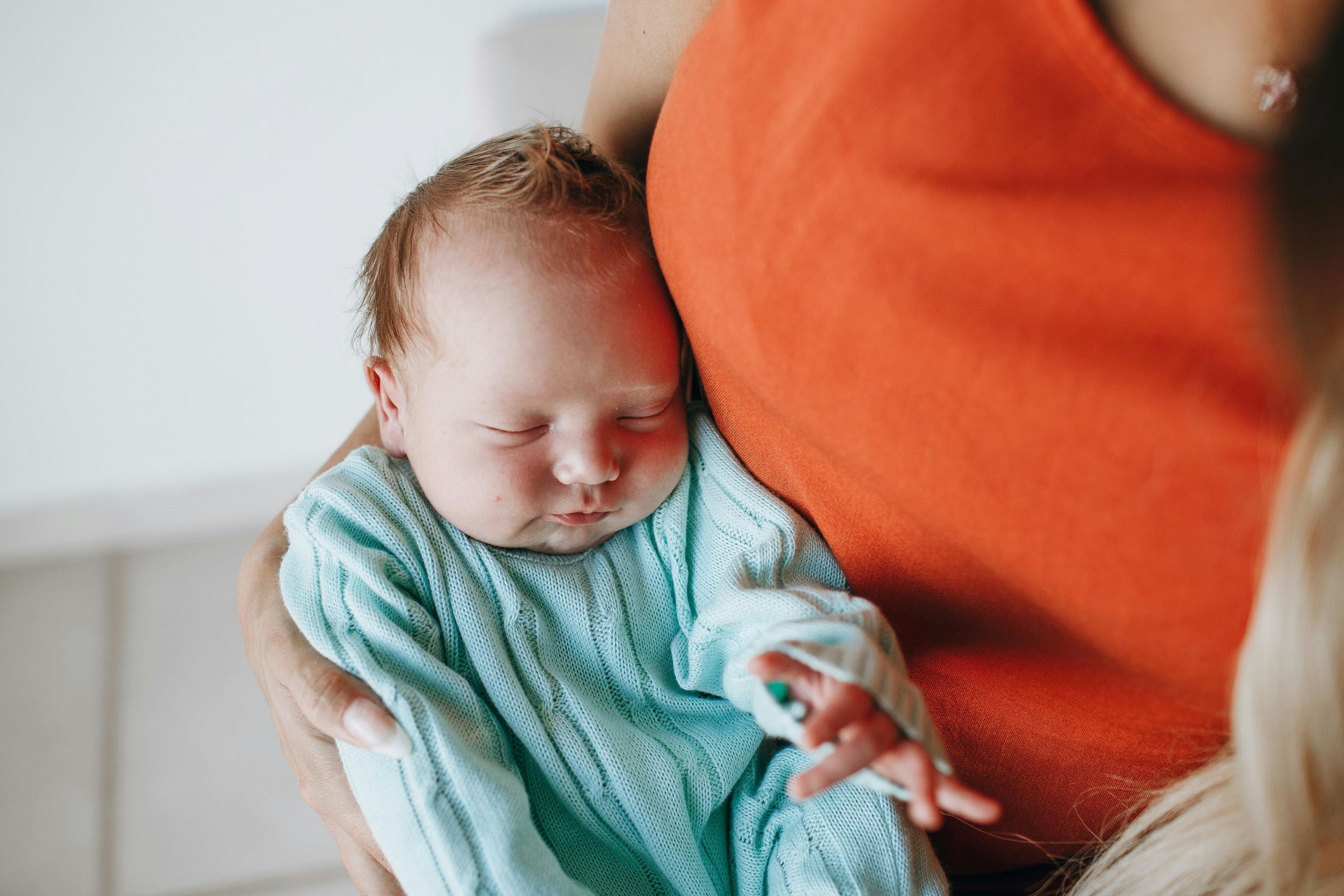
This study explores the role of infant sleep in early childhood development.