
This paper describes the Australian Early Development Index, a developmental census conducted by the Australian Government across the entire populati…
In this chapter we use rich longitudinal data to examine the typical growth of vocabulary in children as they age from 4 years onwards.
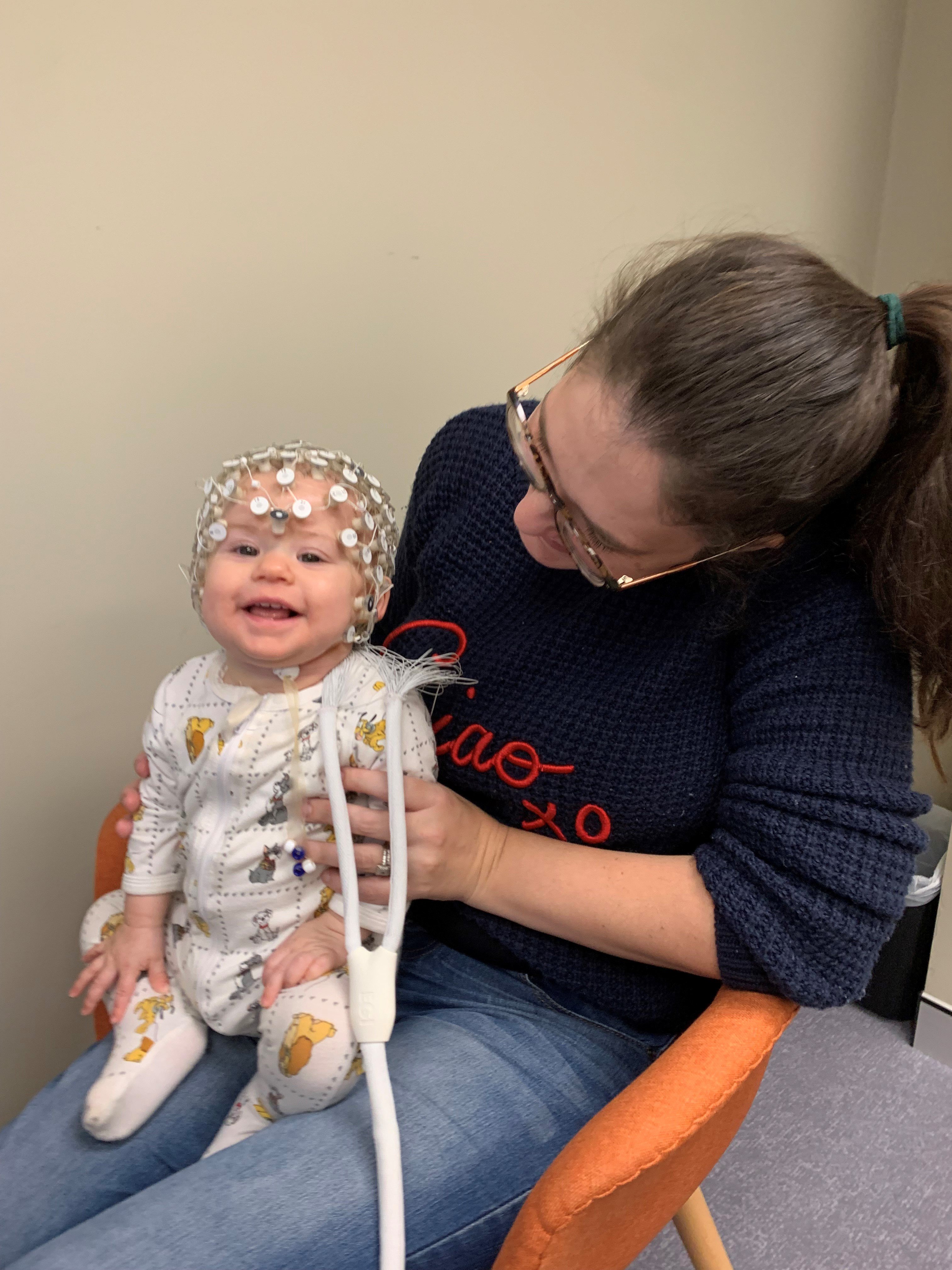
that helps parents understand their baby’s early social and communication abilities and empowers ... interact with their baby in a way that supports…
Repurposed drugs with host-directed antiviral and immunomodulatory properties have shown promise in the treatment of COVID-19, but few trials have st…
Preterm birth is associated with a 3.3-fold increased likelihood of autism diagnosis, with lower gestational age conferring higher likelihood. In Aus…
The implementation of an intervention protocol aimed at increasing vocal complexity in three pre-linguistic children with cerebral palsy (two males,…
Great Southern to benefit from 10 year Early Years Initiative
How different somatosensory modalities develop across childhood into adolescence to use as a point of reference for children at risk of somatosensory
The ESDM aims to promote a child’s development across all domains, including language, joint attention, imitation, cognition, play and social skills,…

immunotherapies for children by understanding how childhood cancers interact with and evade the developing