
Search
Showing results for "early lung health"
Emerging data suggest that air pollution is a persistent source of neuroinflammation, reactive oxygen species, and neuropathology that contributes to central nervous system disorders. Previous research using animal models has shown that exposure to diesel exhaust causes considerable disruption of the blood-brain barrier, leading to marked neuroinflammation.
Alexander Anthony Dr Katherine Larcombe Kicic Landwehr BScEnv (Hons) PhD BSc (Hons) PhD BSc(Hons) Honorary Research Fellow Head, Airway Epithelial
This position statement, updated from the 2015 guidelines for managing Australian and New Zealand children/adolescents and adults with chronic suppurative lung disease (CSLD) and bronchiectasis, resulted from systematic literature searches by a multi-disciplinary team that included consumers.
Structural lung disease and neutrophil-dominated airway inflammation is present from 3 months of age in children diagnosed with cystic fibrosis after newborn screening. We hypothesised that azithromycin, given three times weekly to infants with cystic fibrosis from diagnosis until age 36 months, would reduce the extent of structural lung disease as captured on chest CT scans.
High medication literacy is the basis of rational medication application and is essential for the management of severe adverse drug reactions. The objective of the present study was to assess the level of medication literacy and determine the association between medication literacy and skin adverse drug reactions in non-small-cell lung cancer (NSCLC) patients undergoing targeted epidermal growth factor receptor tyrosine kinase inhibitor (EGFR-The Kids) therapy.
Surgical resection of cancer remains the frontline therapy for millions of patients annually, but post-operative recurrence is common, with a relapse rate of around 45% for non-small cell lung cancer. The tumour draining lymph nodes (dLN) are resected at the time of surgery for staging purposes, and this cannot be a null event for patient survival and future response to immune checkpoint blockade treatment. This project investigates cancer surgery, lymphadenectomy, onset of metastatic disease, and response to immunotherapy in a novel model that closely reflects the clinical setting. In a murine metastatic lung cancer model, primary subcutaneous tumours were resected with associated dLNs remaining intact, completely resected or partially resected.
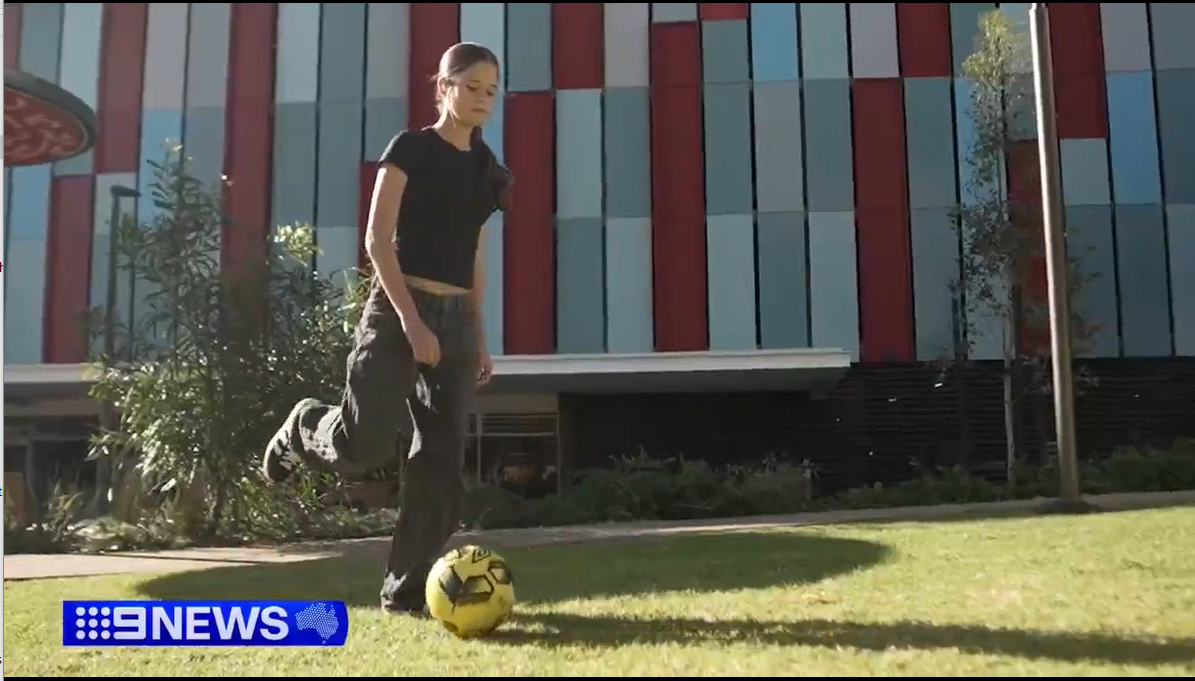
Children with cystic fibrosis will be included in the next phase of a clinical trial of a promising new treatment pioneered in Western Australia aimed at boosting their immune responses to infections. Originally developed by researchers at The Kids Research Institute Australia and Perth Children’s Hospital.
Our goal was to explore and compare risk factors, patterns of management and survival outcomes in Indigenous compared with non-Indigenous Australian patients using the Victorian Lung Cancer Registry.
Idiopathic pulmonary fibrosis (IPF) is characterized by permanent scarring of lung tissue and declining lung function, and is an incurable disease with increase in prevalence over the past decade.
In the Saline Hypertonic in Preschoolers (SHIP) study, inhaled 7% hypertonic saline improved the lung clearance index in children aged 3-6 years with cystic fibrosis, but it remained unclear whether improvement is also seen in structural lung disease. We aimed to assess the effect of inhaled hypertonic saline on chest CT imaging in children aged 3-6 years with cystic fibrosis.