
We investigated immune and non-immune related genes to determine other factors required for the development of Abacavir hypersensitivity syndrome
Few longitudinal studies have investigated how cyberbullying interacts with traditional bullying among young people, who are increasingly using onlin…
Suggests that IL-1R1 expression provides an additional level of Myd88-dependent signaling during this period of heighted susceptibility to infection.
This study assessed the contribution of physical factors including lumbar posture to scoliosis in non-ambulatory youth with DMD in Nepal.
with Type 1 diabetes.Project D-Light: improving the health and well-being
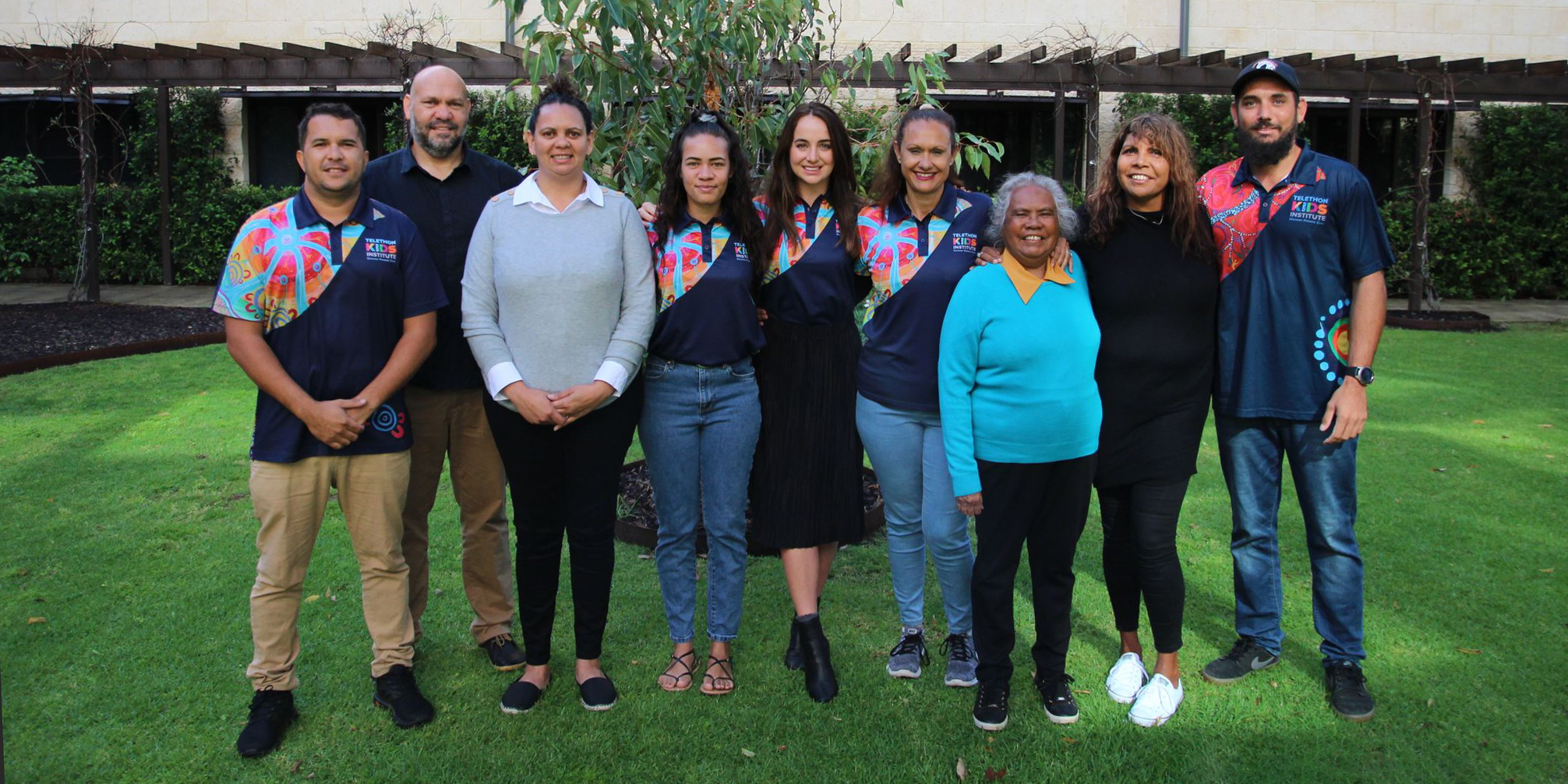
positions available under the Pursuant of Section 50(d) of the Equal Employment Opportunities Act 1984.
This paper is a report on progress towards a joint Australian and New Zealand vaccination program for Group A Streptococcus bacteria, which causes se…
Rosenow, Graham L. Hall, Sarath C. Ranganathan, Peter D. Sly, Stephen M. Stick on behalf of AREST CF.
The complexity of an issue such as school bullying and how this is best addressed as part of a systematic whole-school approach
Mental wellbeing was independently associated with academic achievement and perceived family support but not with physical health variables