
Search
Showing results for "clinical trials"
Presence of bacterial otopathogen in the middle ear during ventilation tube insertion was a predictor of children at-risk of repeat ventilation tube insertion
Chest computed tomography (CT) is the gold standard for demonstrating cystic fibrosis (CF) airway disease. However, there are no standardized outcome...
This paper is a comment in response to a review of Vitamin D status and its association with ill health.
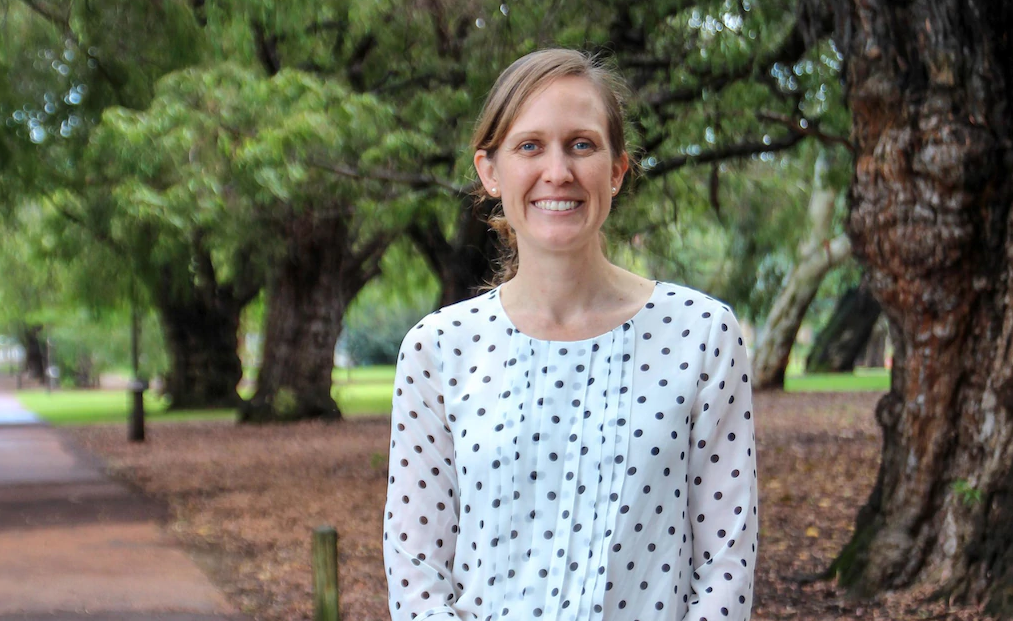
The Kids Research Institute Australia, Perth Children’s Hospital (PCH) and the Peter Doherty Institute for Infection and Immunity (Doherty Institute) will spearhead the paediatric arm of a world-first global platform trial designed to uncover treatments for Staphylococcus aureus bloodstream infection.

Quantitative assessment of airway dimensions in youngchildren with cystic fibrosis lung disease using chestcomputed tomography Abstract Objective: To
Bronchiolitis is a respiratory infection, usually occurring in babies under six months of age. It causes them to wheeze and can lead to pneumonia. Researchers are focusing on vaccines against the virus which commonly causes it.
Andrew Helen Jenny Peter Videos Whitehouse Watch and listen to Andrew Leonard Downs Jacoby PhD MBChB MPH BApplSci (physio) MSc PhD BA (Hons) MSc
The Wal-yan Respiratory Research Centre is made up of multi-disciplinary teams that are committed to improving the lives of children and their families living with respiratory disease.
MECP2 duplication syndrome (MDS) is an ultrarare, X-linked neurodevelopmental disorder that is poorly understood in terms of its natural history and phenotypic variability. There is limited information on how individuals with MDS acquire, retain or lose fundamental functional skills (gross motor, purposeful hand function and communication) - that of which this study aimed to better characterise in the largest case series to date.
The use of adjunctive antibiotics directed against exotoxin production in Staphylococcus aureus bacteremia (SAB) is widespread, and is recommended in many guidelines, but there is limited evidence underpinning this.