
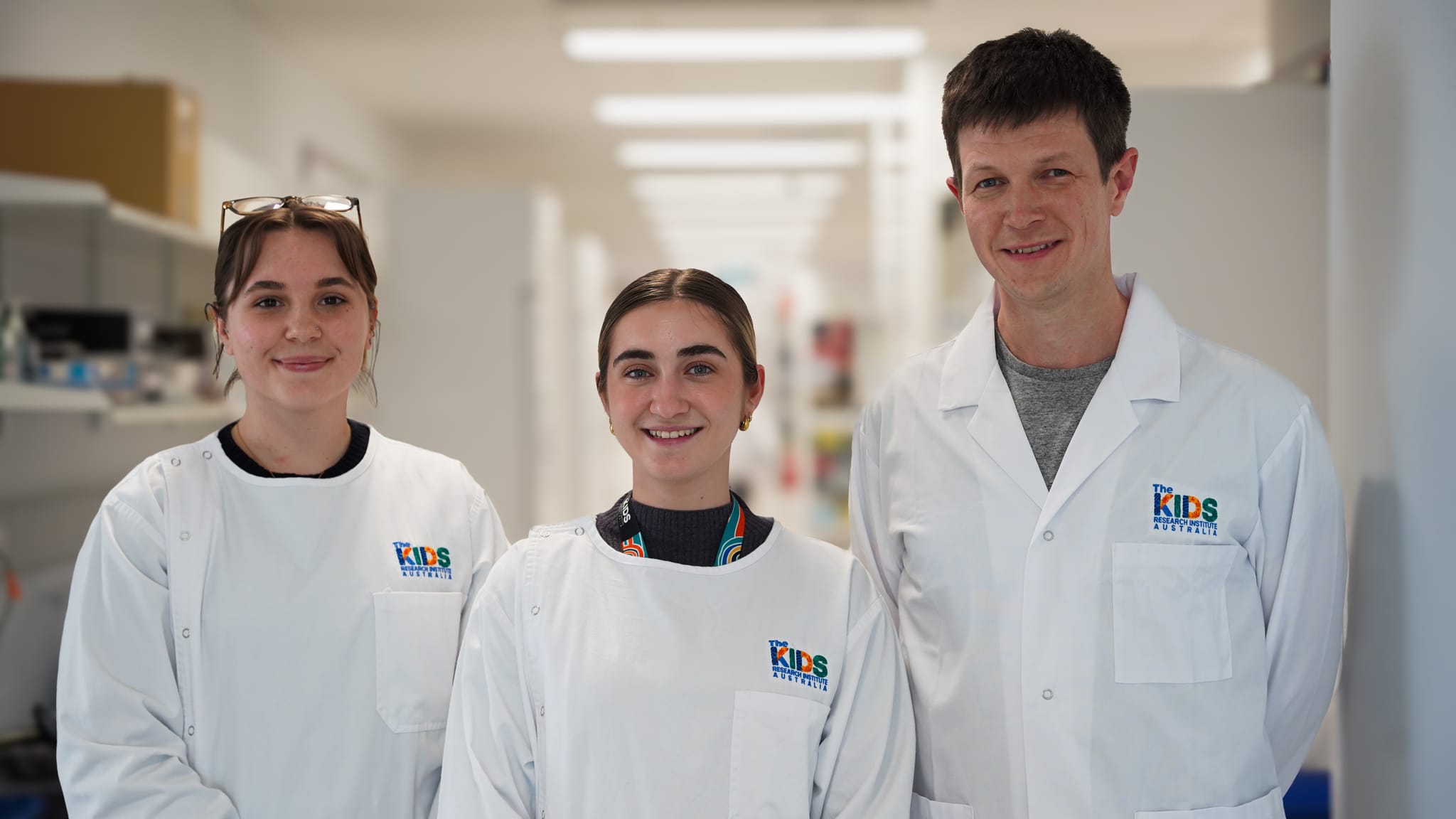
Horvat Communications Specialist, Wal-yan Respiratory Centre <a href="mailto:alex.horvat@thekids
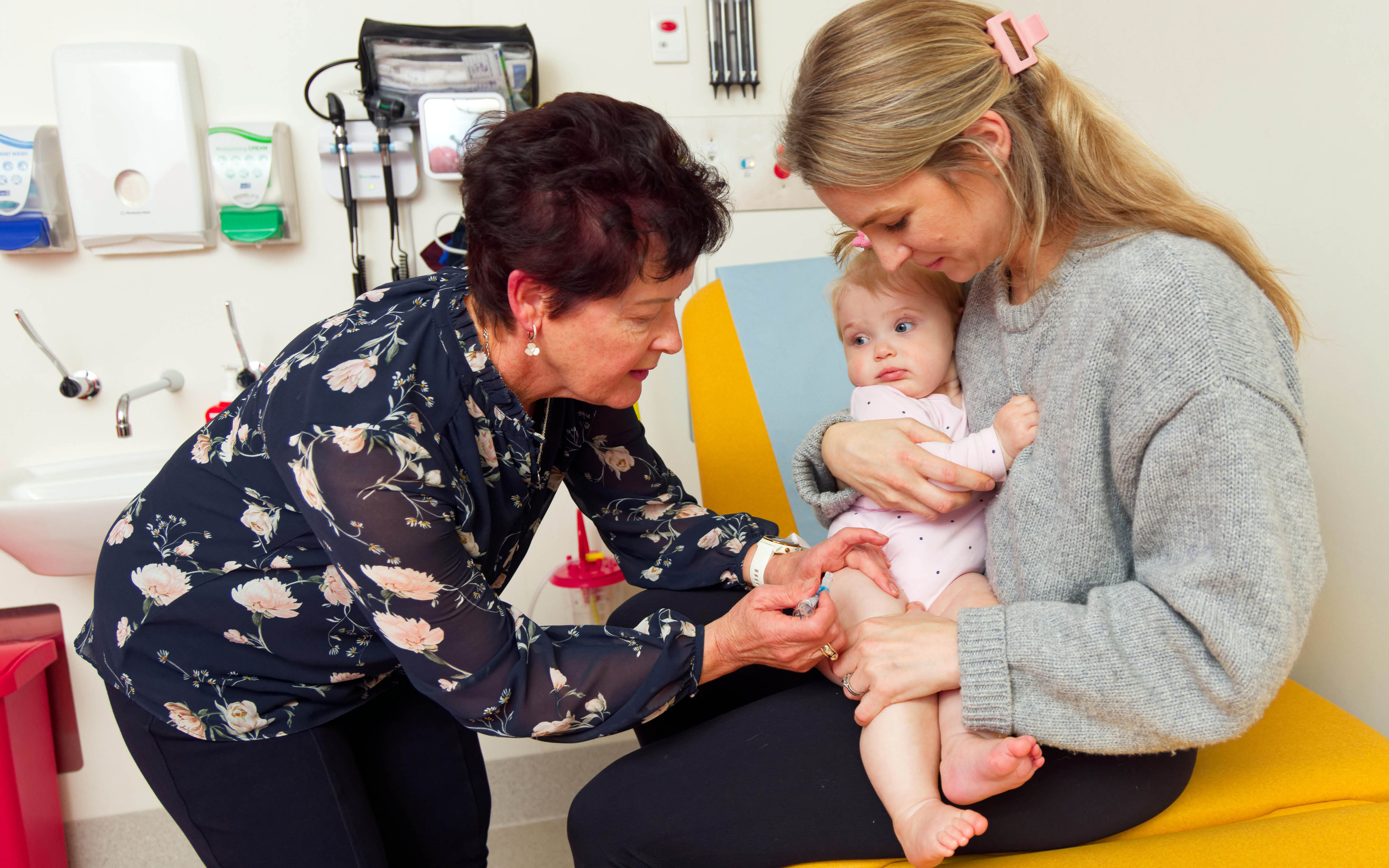
The mission of the Vaccine Trials Group is to improve the health of the community through immunisation and the prevention of infectious diseases.

the highest rates in the world, seen largely in Aboriginal and Torres Strait Islander communities.
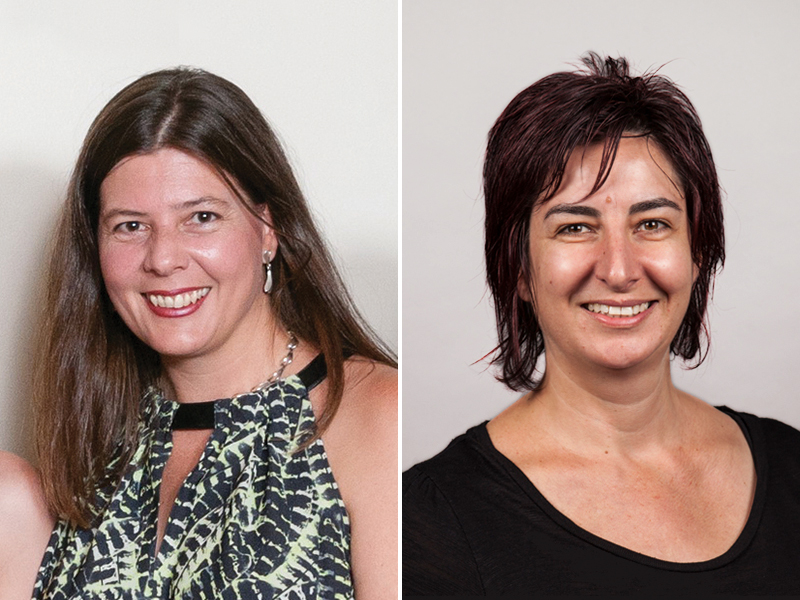
emotional wellbeing and mental health needs of Aboriginal and Torres Strait Islander young people who identify ... Western Sydney, the Kulbardi Abori…
National Aboriginal Community Controlled Health Organisation (NACCHO), RHDAustralia, Aboriginal Medical ... the world, occurring almost exclusively i…
Almost of 10% of children with FASD has significant motor impairment. Evaluation of motor function should routinely be included in assessments for FA…
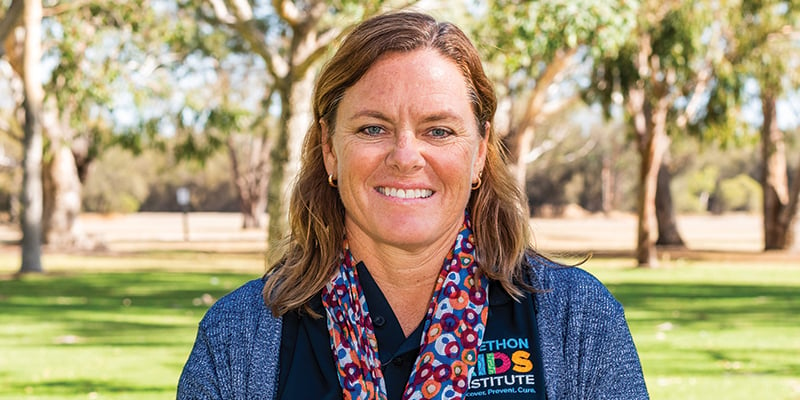
Resources and the Ellison Family, while the Aboriginal research area is supported by the Packer Foundation
achieve their goals. Graham is a paediatric respiratory researcher with a focus on lung growth and development ... development in early life and the…
Published Article: Real Time Monitoring Of Respiratory Viral Infections in Cohort Studies Using a Smartphone
Gastrostomy is increasingly used in multiple neurological conditions associated with intellectual disability, with no apparent accessibility barriers