
Search
Showing results for "mental health aboriginal"
This study aimed to explore current attitudes towards sun protection, and sun-seeking behaviour among young Australian adolescents. It was done as part of a larger project aiming to develop a digital resource to support young people in making informed sun-health decisions.
Health Management Information System (HMIS) is a set of data regularly collected at health care facilities to meet the needs of statistics on health services. This study aimed to determine the utilisation of HMIS data and factors influencing the health system's performance at the district and primary health care facility levels in Tanzania.
In this narrative review, we provide an overview of the role of physical activity as part of differing exposomes (our combined non-genetic exposures from conception onwards) and environmental influences on metabolic health. We discuss 'beneficial' exposomes (green/natural outdoor spaces, sun exposure, healthy diets and features of built environments) that could synergise with physical activity to prevent metabolic dysfunction, particularly that related to lifestyle diseases of obesity, type 2 diabetes and metabolic syndrome.
The term “Anthropocene Syndrome” describes the wicked interrelated challenges of our time. We expand the discourse on positive social contagion and argue that empowerment through education can help lead to an information transformation with the aim of flourishing along every link in the person, place and planet continuum.
Leadership and collaboration has resulted in increased capacity in the Fijian health system to support children with neurodevelopmental disabilities
We emphasize that barriers to planetary health and the clinical application of lifestyle medicine are maintaining an unhealthy status quo
Ghana remains a malaria hyperendemic region with district-level spatial heterogeneity
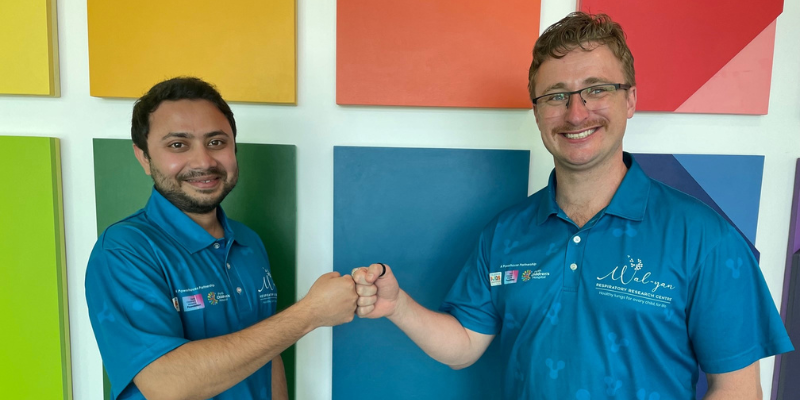
As part of the Wal-yan Respiratory Research Centre’s aim to support the next generation of scientists in children’s respiratory research, a competitive scholarship program was introduced this year.
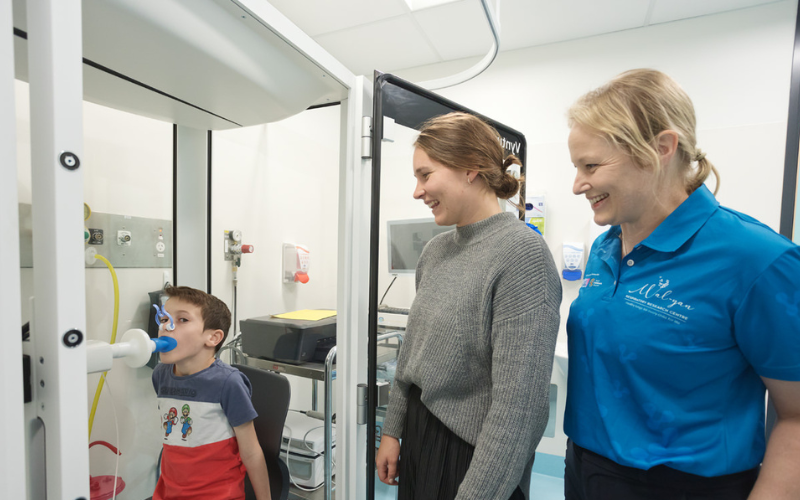
A new study has found a common asthma drug is effective for some very premature babies who go on to suffer from lung complications.
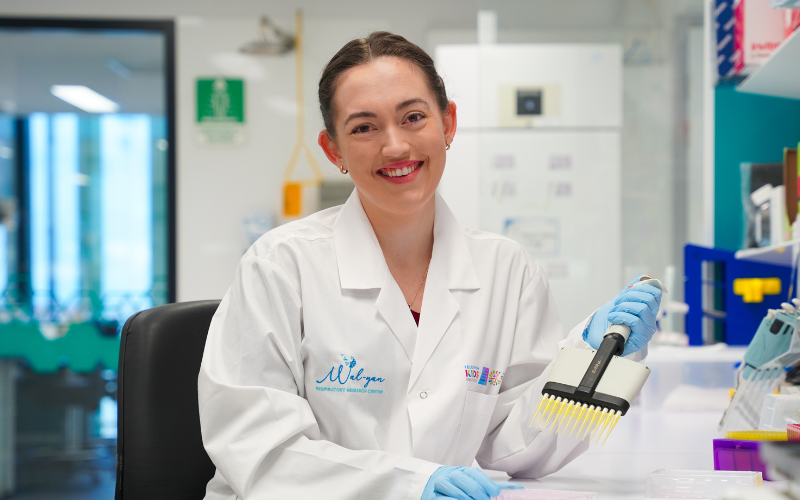
Wal-yan Respiratory Research Centre researcher Ms Denby Evans has been awarded one of four inaugural fellowships supported by the State's Future Health Research and Innovation (FHRI) Fund and Brightspark Foundation, enabling her to further her research into ways to improve the lung health of people