
Search
Showing results for "preterm birth lungs"
Vitamin D deficiency exacerbates house dust mite-induced inflammation and alterations in lung structure and function
The aim is to examine whether using a portable spring-infusor device to deliver antibiotics compared with a standard infusion pump (SIP) translated to (i) improve health outcomes, (ii) reduce the length of stay (LoS), and (iii) reduce cost for treatment of exacerbations of cystic fibrosis.
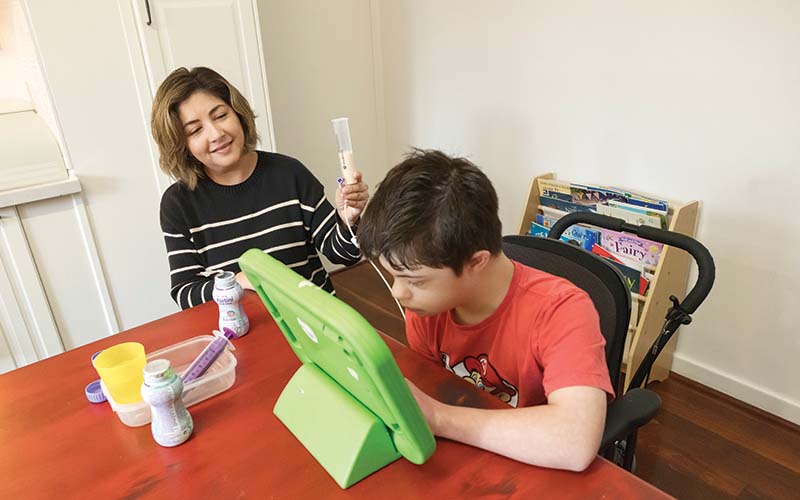
For thousands of children around Australia with intellectual and other disabilities, the process of eating can be traumatic, posing challenges that veer from uncomfortable to life threatening.
To assess the prevalence, clinical features and treatment of otitis media (OM) among Aboriginal children in the Kimberley region of Western Australia, and to determine if a correlation exists between OM and protracted bacterial bronchitis.
Plastic pyrolysis oil, which can be produced with similar properties as diesel fuel (plastic diesel), can be used as an alternative to mineral diesel (ULSD) to run a diesel engine. This presents a potential method for recycling waste plastic. Typically plastic diesel is blended with mineral diesel, and oxygenated fuel additives such as ethers added to improve resulting fuel properties.

Learn with The Kids – suitable for kids and schools
The Sore Throat Study is looking for healthy children and young people to take part in a new study investigating sore throats, also known as pharyngitis, and how best to prevent them.

The Kids researchers are pioneering an exciting new approach to clinical trials, which aims to fast-track the best treatments for people with rare and complex diseases.
MEDIA ENQUIRIES Discover. Prevent. Cure. Mailing list Media contacts About The Kids Be Inspired Please direct general enquiries to our reception on (
There is no consensus about which outcomes should be evaluated in studies of pulmonary exacerbations in people with cystic fibrosis (CF). Outcomes used for evaluation should be meaningful; that is, they should capture how people feel, function or survive and be acknowledged as important to people with CF, or should be reliable surrogates of those outcomes. We aimed to summarise the outcomes and corresponding endpoints which have been reported in studies of pulmonary exacerbations, and to identify those which are most likely to be meaningful.