
Managing bronchiectasis exacerbations is a priority for patients, parents, and caregivers of children with bronchiectasis. However, evidence-based st…
Health Service (CAMHS), Wungening Aboriginal Corporation, Yorgum Aboriginal Corporation
Pre-eclampsia is a common complication of pregnancy and is a major cause of fetal maternal mortality and morbidity.
Support Aboriginal researchers and staff
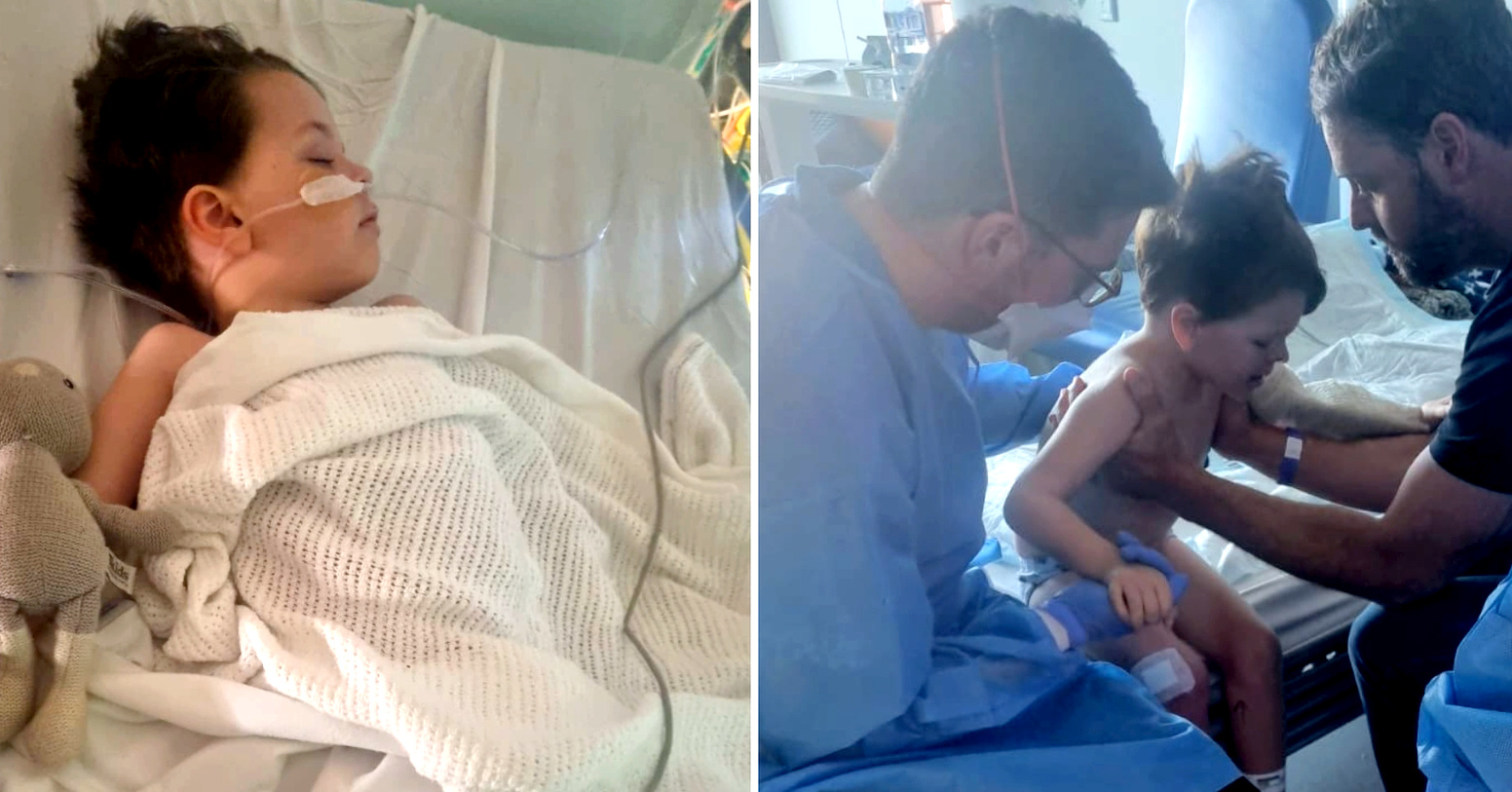
Listening to Aboriginal families Aboriginal children are at increased risk ... Yarning for Sepsis study, guided by Aboriginal voices and community pe…
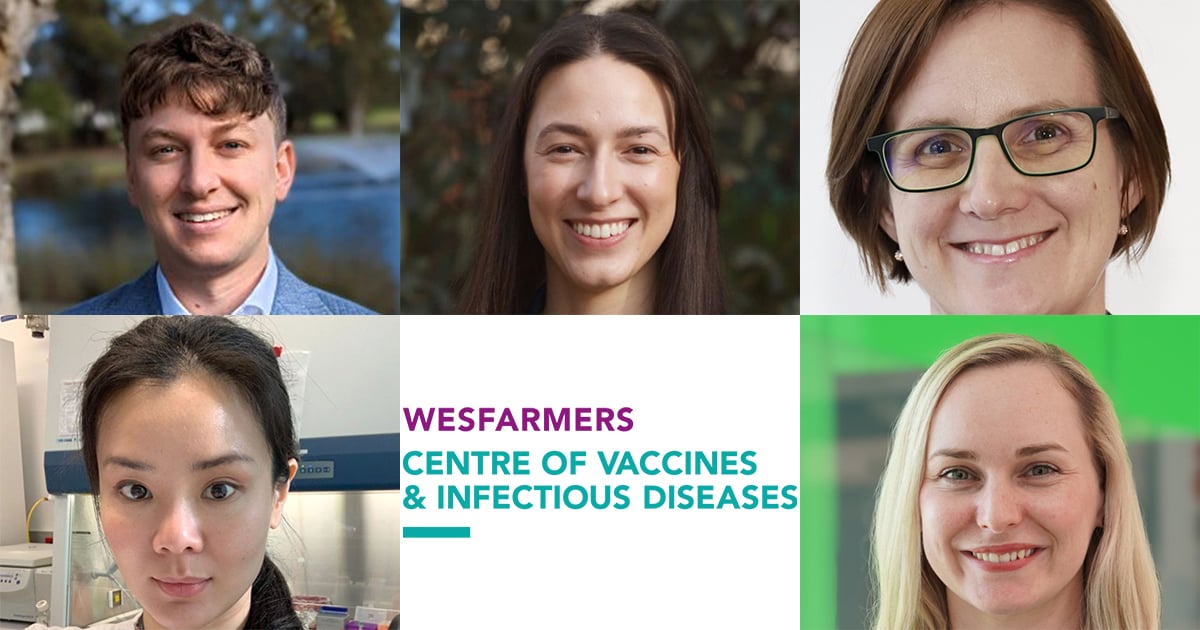
Learn more about the Wesfarmers Centre of Vaccines and Infectious Diseases
Protection and Family Support, and the Department of Aboriginal Affairs Project description ... of criminal justice, infectious diseases, and Aborigi…
established in 45% of microcephaly cases. In Aboriginal children, the most frequent cause was Fetal Alcohol ... Alcohol Spectrum Disorder (FASD), whi…
Flagships Programs dedicated to accelerating Aboriginal health equity, safeguarding the early years through ... otitis media, which disproportionatel…
height="630" /> Trailblazing Aboriginal doctor and health researcher Aboriginal health, with a specific focus on chronic diseases ... people and the…