
Search
Showing results for "Neuromuscular disorders "

Child health and development researchers are increasingly turning to Western Australia's extensive population datasets for their ground-breaking work.

Researchers from The Kids Research Institute Australia are running a school program designed to help children adjust their levels of alertness and attention in class.
Children who were born with reduced gestational age, birthweight, and birth length have persistently increased rates of infection-related admissions to hospital until age 18 years
Complementary feeding induces dramatic ecological shifts in the infant gut microbiota toward more diverse compositions and functional metabolic capacities, with potential implications for immune and metabolic health. The aim of this study was to examine whether the age at which solid foods are introduced differentially affects the microbiota in predominantly breastfed infants compared with predominantly formula-fed infants.
One of the many reasons for setting up the International CDKL5 Disorder Database was to learn more about this condition.
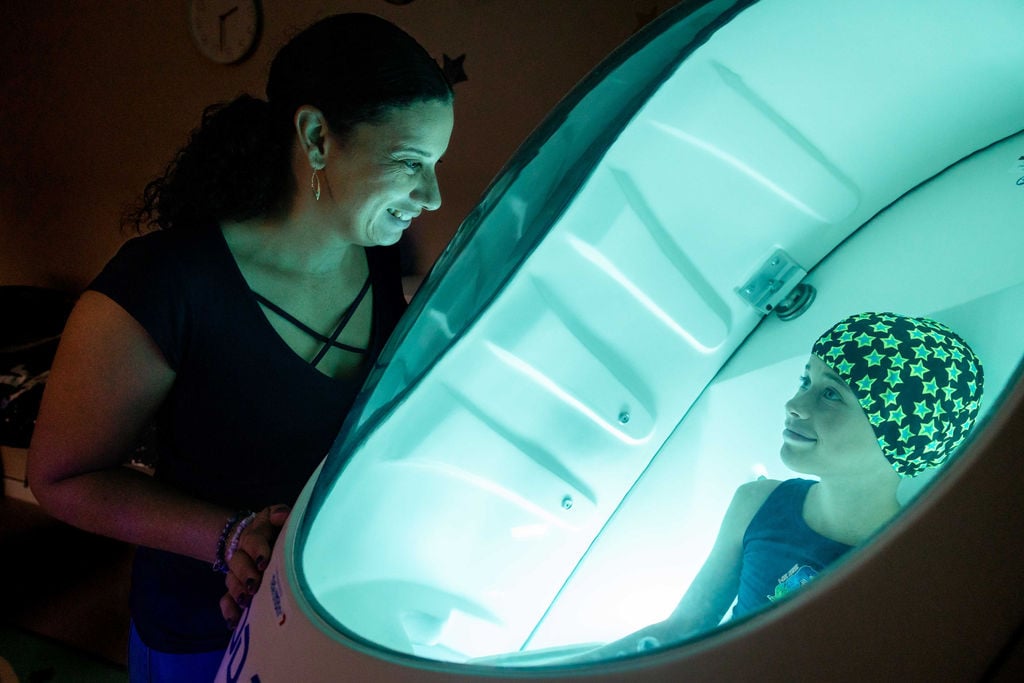
This research domain focuses on understanding how early biological and physical factors shape infant growth, body composition, and neurodevelopment from the earliest stages of life.
The aim of this study was to examine the influence of smoking in pregnancy on child and adolescent behavioural development, in comparison with mothers who cease
Fetal androgens influence fetal growth as well as postnatal neurocognitive ability.
To examine whether maternal gestational hypertension and preeclampsia are associated with behavioral problems in offspring
We estimated age-sex-specific all-cause mortality using the GBD 2010 methods with some refinements to improve accuracy applied to an updated database of vital registration, survey, and census data.