Skip to content

Search

Showing results for "early childhood"

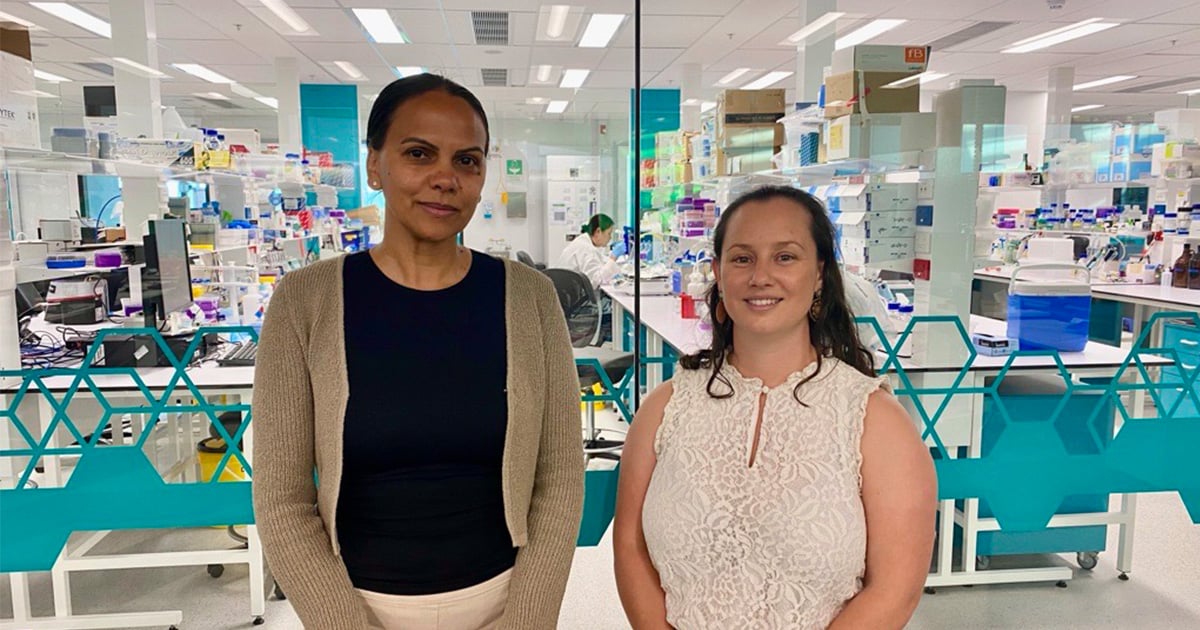
WA Near Miss Awards provide boost for leading researchers at The Kids

Nine researchers from The Kids Research Institute Australia have secured vital support through the WA Near Miss Awards, allowing them to continue innovative health projects that narrowly missed out on national funding.

The Investigation of Health-Related Topics on TikTok: A Descriptive Study Protocol

The social media application TikTok allows users to view and upload short-form videos. Recent evidence suggests it has significant potential for both industry and health promoters to influence public health behaviours. This protocol describes a standardised, replicable process for investigations that can be tailored to various areas of research interest, allowing comparison of content and features across public health topics.

Advances in Vaccines to Prevent Viral Respiratory Illnesses in Children

Childhood vaccination has played a critical role in the reduction of morbidity and mortality from communicable diseases, including specific respiratory pathogens

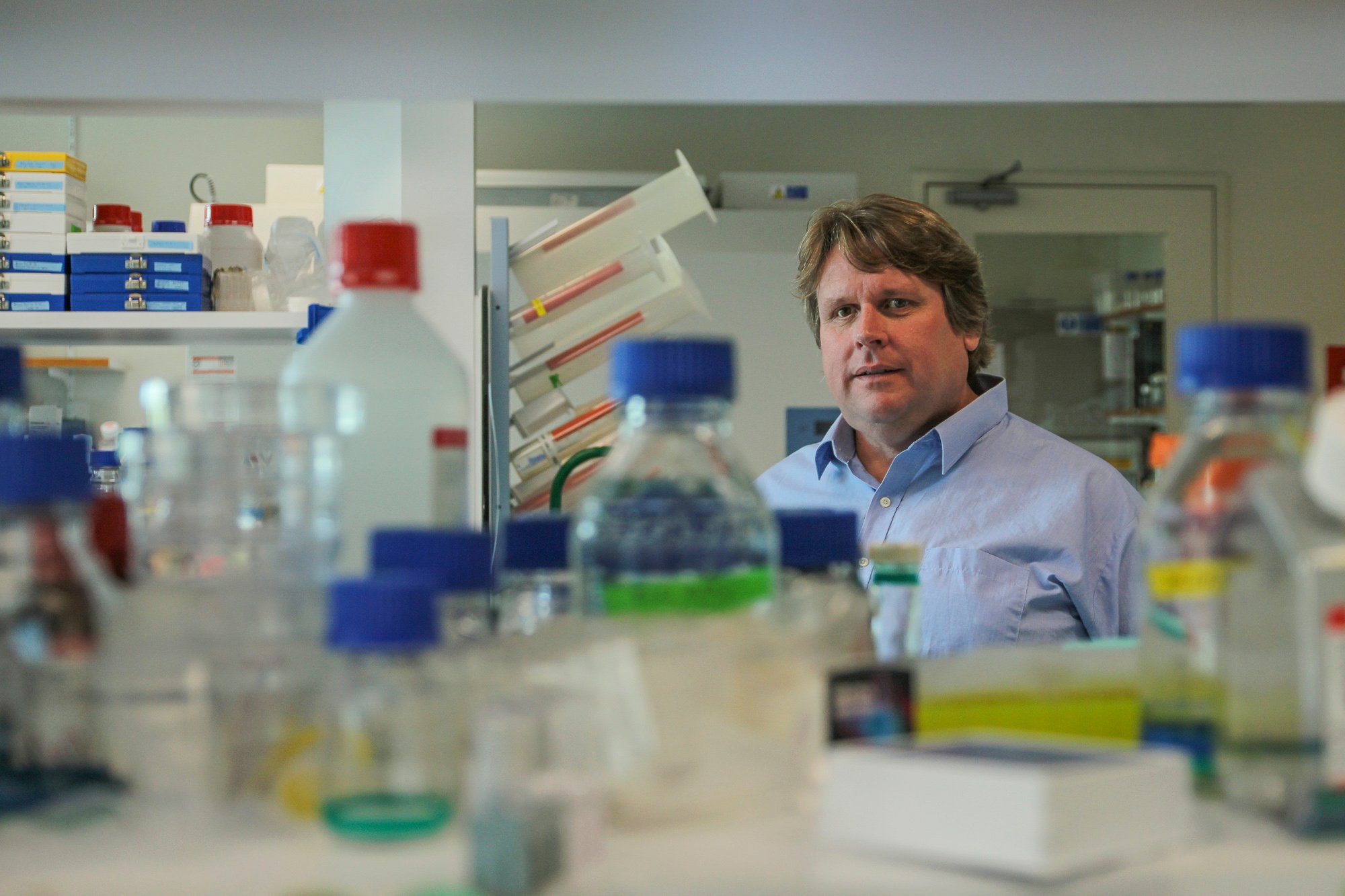
Push to catch beneath-the-radar newborn virus

The Kids researchers are working with Perth Children’s Hospital and other experts across the country to get ahead of a sneaky virus few mums or even health professionals have heard of.

A method for the generation of large numbers of dendritic cells from CD34+ hematopoietic stem cells from cord blood

Neonatal dendritic cells generated form CD34+ cord blood progenitors have a higher inflammatory potential when exposed to viral than bacterial related stimuli

Lipopolysaccharide-induced interferon response networks at birth are predictive of severe viral lower respiratory infections in the first year of life

Appropriate innate immune function is essential to limit pathogenesis and severity of severe lower respiratory infections (sLRI) during infancy, a leading cause of hospitalization and risk factor for subsequent asthma in this age group.

The CliniBank Study: A research project to improve future clinical supports for children experiencing developmental difficulties

Andrew Gemma Gail Videos Whitehouse Watch and listen to Andrew Upson Alvares PhD BSc MClinAud MBA PhD Deputy Director (Research); Angela Wright

Effectiveness and Cost-Effectiveness of Models of Healthcare for People With Intellectual Disability in Australia: A Scoping Review

People with intellectual disability experience significant gaps in healthcare delivery resulting in poor health outcomes. Appropriately designed healthcare is required to meet the needs of this population and achieve better health outcomes. Little is known about the structure of healthcare delivery for people with intellectual disability and whether it is effective or cost-effective.

Understanding parents’ experiences and needs when managing menstruation with young people with intellectual disability

Menstruation can be complex and challenging to manage, including for those with intellectual disability. People with intellectual disability experience additional barriers that prevent adequate access to information and support. Parents play an important role in supporting young people with intellectual disability with menstruation.