
Search
Showing results for "Childhood interstitial lung disease "
Rheumatic heart disease (RHD) is the most important cause of acquired cardiovascular disease in children and young adults. Virtually non-existent in most of Australia, it still predominantly affects Aboriginal communities.
In this study, we compared the physiological consequences of short-term exposure to diesel exhaust via inhalation to those due to exposure to the same diesel...

A co-designed and culturally secure intervention to improve medical follow-up for Aboriginal children hospitalised with acute chest infections resulted in higher follow-up rates and improved longer-term lung health outcomes for children.
This study aimed to determine if relationships between LCI and clinical outcomes of CF lung disease differ when only two acceptable MBW trials are assessed.
We aimed to research relationships between 25(OH)D levels from birth to 10 y/o and susceptibility to allergic sensitization, respiratory issues and asthma.
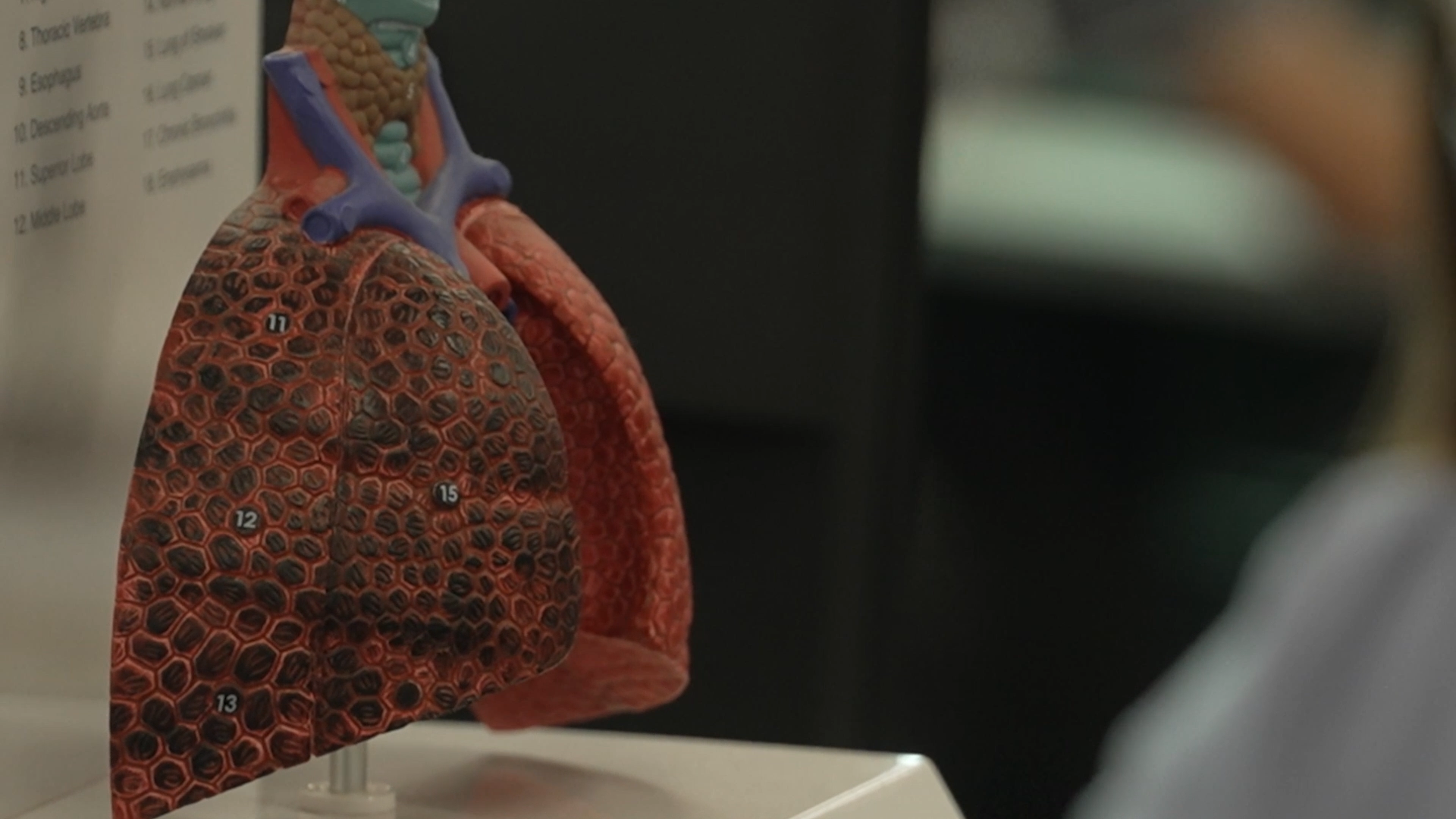
Promising results from an Australian-led clinical trial could drastically change the way we care for young children with cystic fibrosis (CF).
Protease elastase exocytosis by airway neutrophils occurs in all cystic fibrosis children, and its cellular measure correlates with early lung damage

A new study has found a common asthma drug is effective for some very premature babies who go on to suffer from lung complications.

Elastase exocytosis by airway neutrophils is associated with early lung damage in children with cystic fibrosis Abstact Rationale: Neutrophils are
The extent to which maternal smoking in pregnancy (MSP) has persisting effects on respiratory health remains uncertain and the mechanisms involved are not...