
Search
Showing results for "preterm birth lungs"
Growth is the rate of increase in a dimension per unit time. Mass is the dimension traditionally considered for fetal growth because it is the most easily and..
Fertility rates increased following the introduction of the Federal government's "Baby Bonus" payments.

The Wal-yan Respiratory Research Centre is proud to have a team of researchers taking part in, and contributing to, the outstanding scientific programme of the European Respiratory Society International Congress, taking place in Milan.
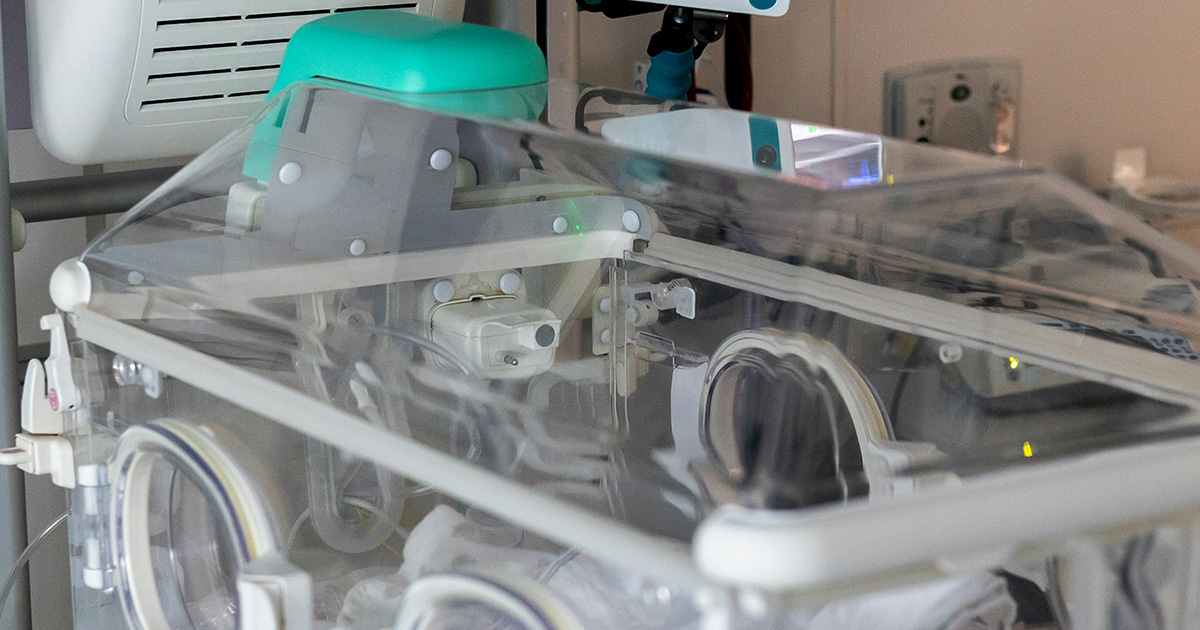
The mental health and wellbeing of new fathers whose children end up in neonatal intensive care is the focus of a new project to be led by The Kids Research Institute Australia researchers, thanks to a $388,000 grant from Healthway.
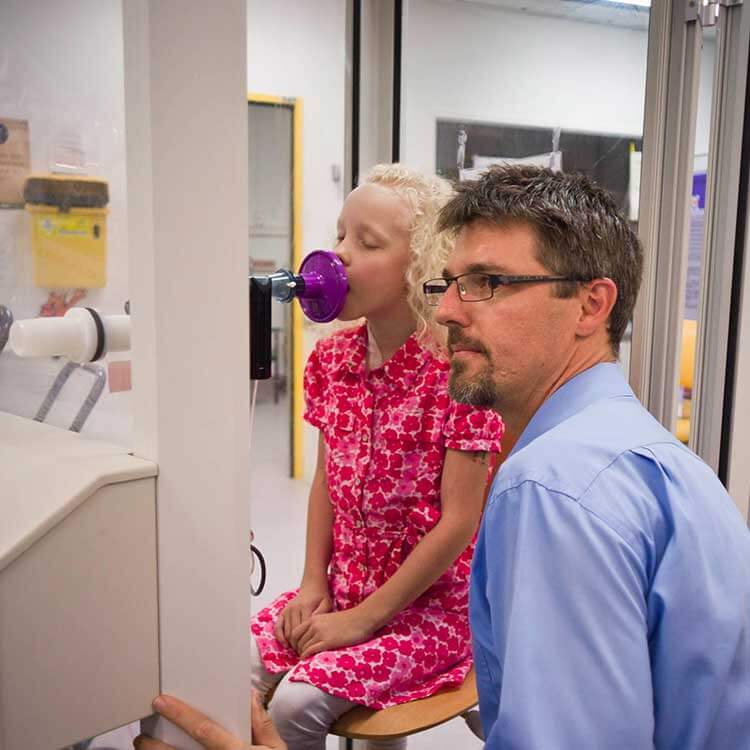
New research from Perth’s The Kids Research Institute Australia shows that babies born premature continue to have lung problems well into childhood.

Mucus accumulation in the lungs precedes structural changes and infection in children with cystic fibrosis. Abstract Although destructive airway
These findings indicate that early CF lung disease is characterized by an increased mucus burden and inflammatory markers without infection or structural lung disease
Nanoparticle research is currently an area of considerable interest due to the potential applications both in industry and medicine.
We hypothesized that the inflammatory response in the lungs of children with cystic fibrosis (CF) would vary with the type of infecting organism, being...
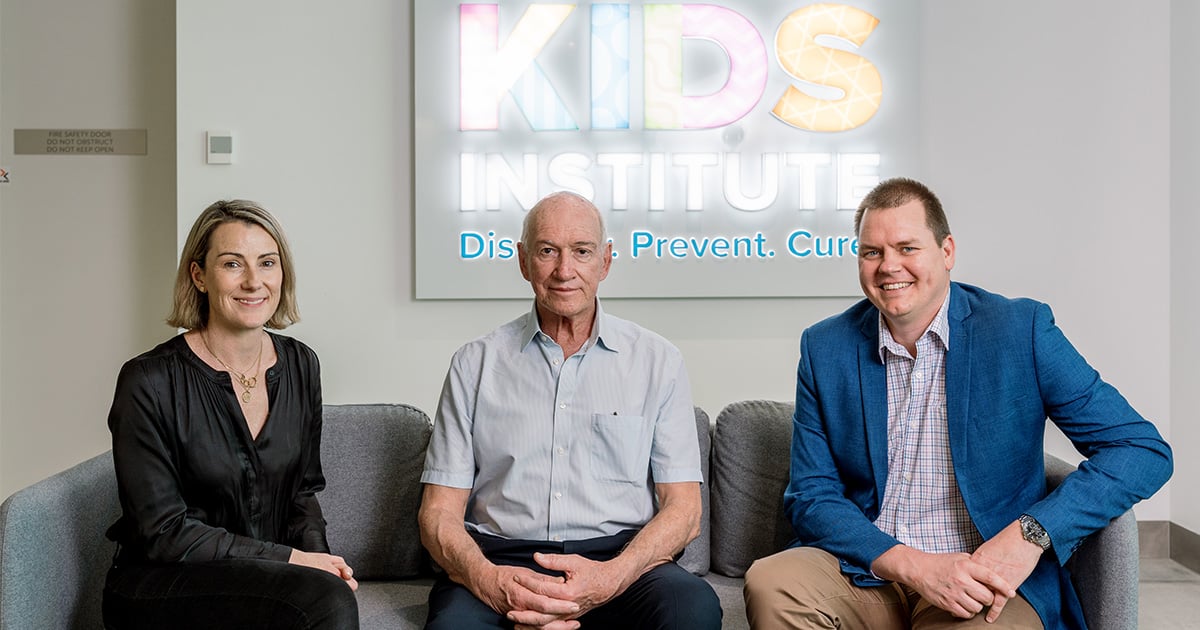
A The Kids Research Institute Australia spin-off company, Inspiring Holdings Pty Ltd (Inspiring), has been announced as winner of the Wesfarmers Wellbeing Platinum Award in the prestigious WA Innovator of the Year awards for their novel Universal Spacer System – a device which improves the delivery of inhaled dru