
Search
Vaccine mandates were widely implemented against COVID-19, and a large and multidisciplinary literature has emerged as a result, covering fields such as epidemiology, economics, ethics, and law. We compiled an openly available repository of this literature, including 503 studies on COVID-19 vaccine mandates.
The COVID-19 pandemic evidenced the critical role of vaccination in reducing the severity of illness and the risk of infection. Despite the policies and efforts of governments to increase vaccination uptake, COVID-19 immunization among Australian Aboriginal pregnant women is lower compared to vaccine uptake of non-Indigenous pregnant women.
Influenza remains an important cause of pediatric morbidity and mortality. Immunisation is critical to prevent hospitalisation and severe disease. The COVID-19 pandemic had far-reaching effects on influenza epidemiology and vaccine use.
The Kids Research Institute Australia position on schools and COVID-19 in Western Australia
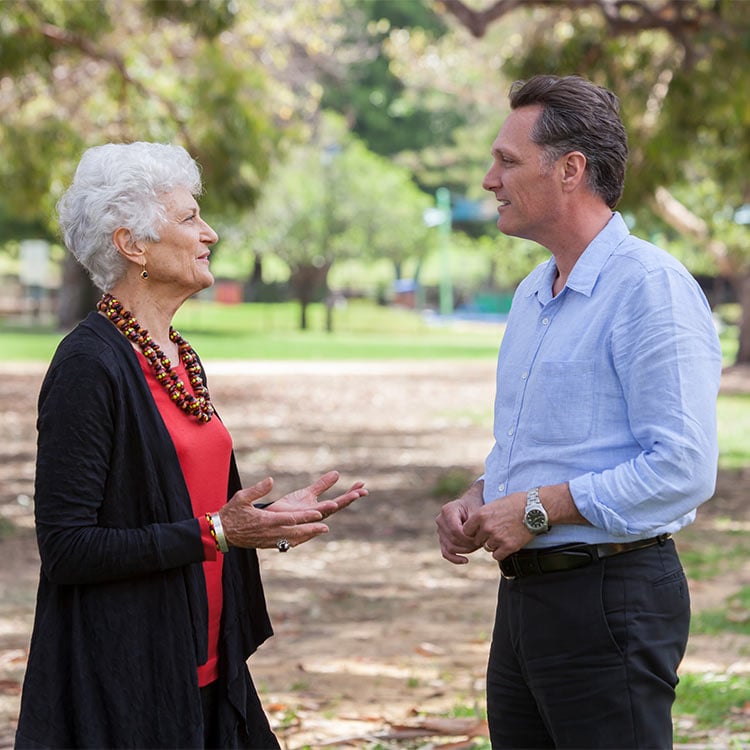
A letter to the WA public from Jonathan Carapetis and Fiona Stanley.

A number of organisations have created COVID-19 resources specifically developed for Aboriginal and Torres Strait Islander people.
Engaging the community in COVID-19 rapid research
The research that is reducing the impact on families done by The Kids Research Institute Australia.
Global rates of invasive Group A Streptococcus (iGAS) disease surged from September 2022, exceeding pre-COVID-19 pandemic levels, showing atypical seasonality and disproportionately affecting children. We previously described the epidemiology of iGAS among Australian children from mid-2018 to end 2022 using data from the Paediatric Active Enhanced Diseases network and here provide updated clinical epidemiology for 2023 and 2024 to help inform public health strategies.
Post-acute sequelae of COVID-19 (PASC), or long COVID, are a public health concern. While most recover from SARS-CoV-2 infections within weeks, some experience persistent symptoms. Here, we quantified the association between repeated SARS-CoV-2 infections and the risk of hospital-diagnosed PASC.