
Search
Showing results for "e-cigarettes"
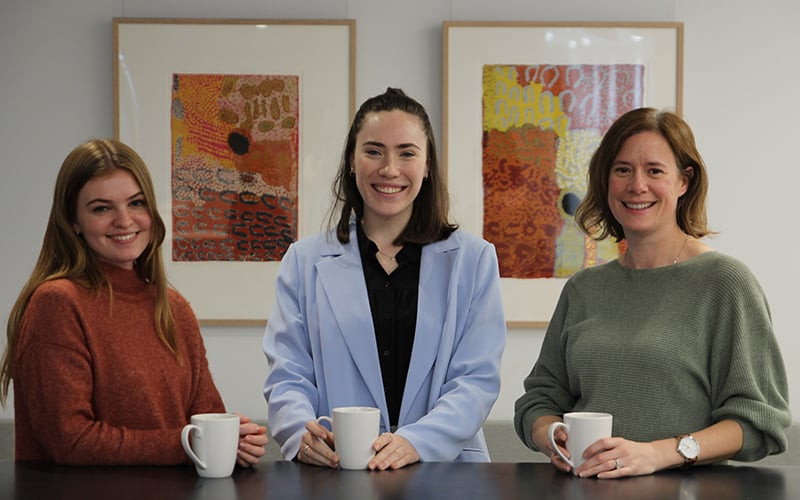
For National Diabetes Week, we sat down with Dr Keely Bebbington to talk about her amazing work in research.
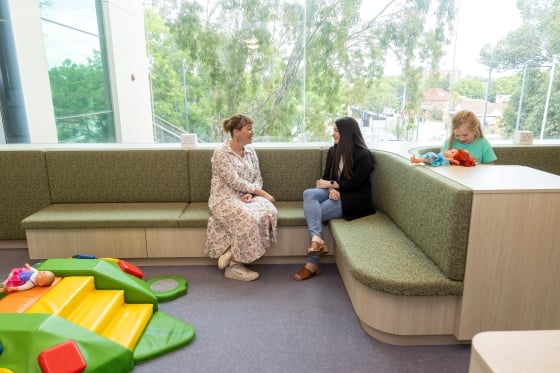
In this blog, Occupational Therapy Clinical Lead Marie Rodatz discusses the elements needed to create a neuro-affirming environment that supports neurodiverse individuals.

by Dr Shivanthan Shanthikumar

The Beacon Project team have partnered with the world's best - eSafety Commissioner and Common Sense Media - to ensure that the Beacon cyber safety app is able to provide reviews on some of the most popular apps and games to keep you up-to-date and on top of the trends in Australia.

Dr Gina Trapp is the Head of Food and Nutrition – driven to leading her team in becoming a hub of child and adolescent nutrition research globally.
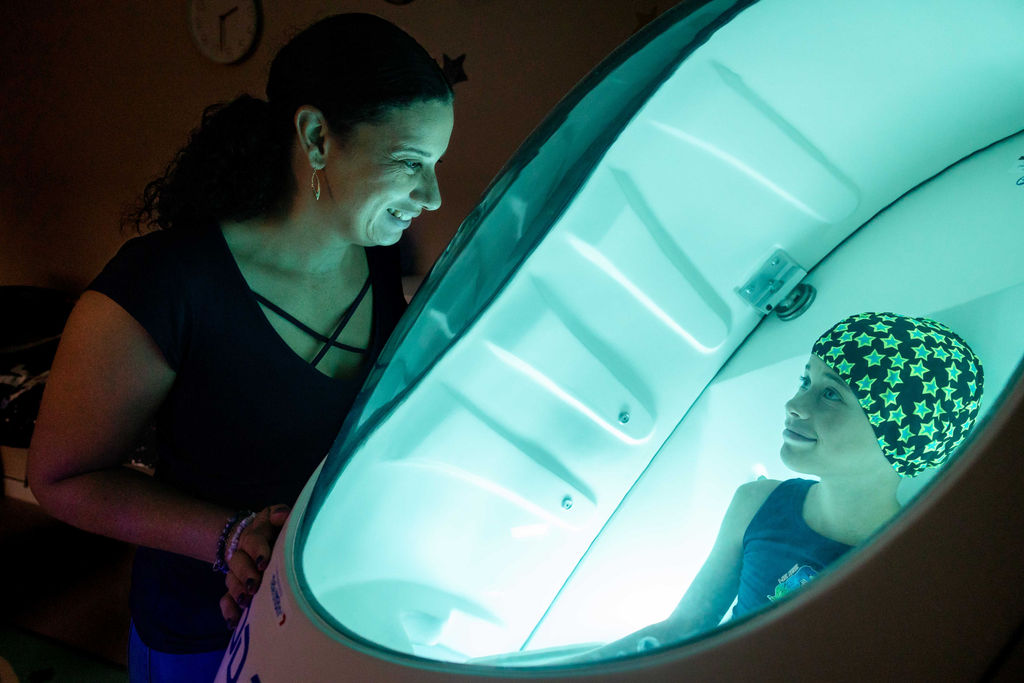
As well as ORIGINS long-term core research, there are a number of clinical trials, early interventions and shorter-term research studies that sit within ORIGINS. Known as sub-projects, these studies look at multiple aspects of child and family health and development.
The science that interprets the way nutrients and other substances in food affect maintenance, growth, reproduction, health and disease.
Respiratory syncytial virus (RSV) is a significant cause of respiratory infections in young children. Since 2021, RSV has been a notifiable disease in Australia. However, current surveillance systems focus on hospitalised RSV, with limited surveillance at a community level through primary care clinics. This approach only captures RSV requiring hospitalisation. Less severe illnesses, while not captured, may have significant social and economic impacts including the associated cost of care and absenteeism. The aim of this study is to establish an understanding of the broader burden of RSV in young children in a community setting.
The implications of climate change for malaria eradication this century remain poorly resolved. Many studies focus on parasite and vector ecology in isolation, neglecting the interactions between climate, malaria control and the socioeconomic environment, including disruption from extreme weather. Here we integrate 25 years of African data on climate, malaria burden and control, socioeconomic factors, and extreme weather.
Since its inception in 2005, the US President's Malaria Initiative (PMI) has played a major role in the reductions in malaria morbidity and mortality observed across Africa. With the status of PMI funding and operations currently uncertain, we aimed to quantify the impact that a fully functioning PMI would have on malaria cases and deaths in Africa during 2025.