
Search
Showing results for "Childhood interstitial lung disease "
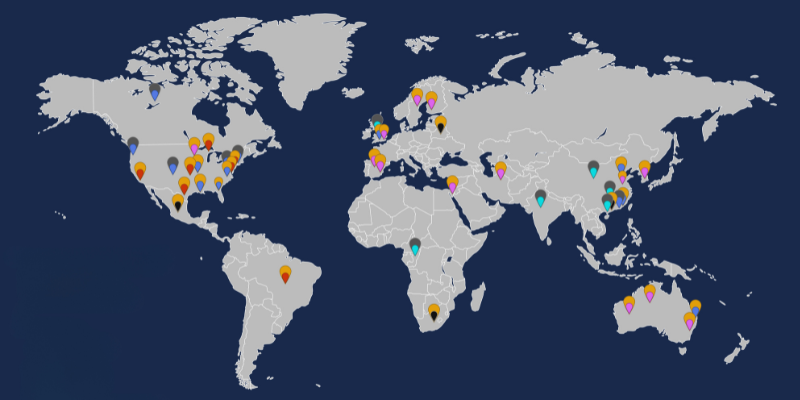
Increased numbers of preterm births, higher incidence of respiratory disease and death, and more children in hospitals are some of the stark health outcomes the world is facing from the impacts of extreme climate change.
We investigated the suggestion that otitis-prone children have an impaired antibody response in the context of pneumococcal vaccination.
Aspergillus species and P. aeruginosa are commonly present in the lower airways from infancy
André Schultz MBChB, PhD, FRACP Head, BREATH Team Head, BREATH Team Prof André Schultz is the Head, BREATH Team at The Kids Research Institute

Program Manager

This study is a partnership between researchers, the Aboriginal community and government to provide evidence for policy and practice addressing high priority health and wellbeing issues for Aboriginal children and families.
Results from recent clinical studies suggest potential efficacy of immune training (IT)-based approaches for protection against severe lower respiratory tract infections in infants, but underlying mechanisms are unclear.
The co-exposure responses in the Th2high BN incorporated type I interferon/Th1, alternative macrophage activation/Th2 and Th17 signatures
Anya Deborah Pat Jones Strickland Holt BSc MSc PhD PhD PhD, DSc, FRCPath, FRCPI, FAA Honorary Research Associate Head, Pregnancy and Early Life
Early aberrant antibody responses, aeroallergen sensitised people, subclinical bacterial infection