
Search
Showing results for "Neuromuscular disorders "

Five researchers from The Kids Research Institute Australia have secured prestigious National Health and Medical Research Council (NHMRC) Investigator Grants, earning five years of funding to advance research tackling some of Australia's most pressing child health challenges.

Researchers from The Kids Research Institute Australia will share in almost $4 million in grants to continue groundbreaking research to tackle childhood cancer, asthma, respiratory viral infections and more.
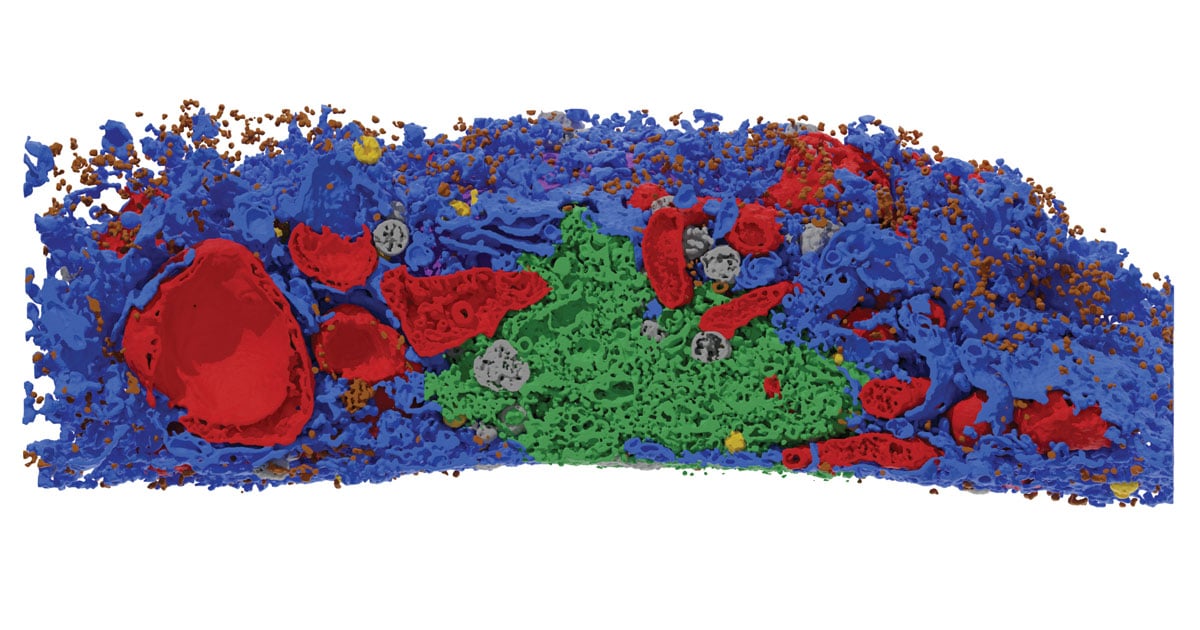
Researchers from The Kids Research Institute Australia and The University of Western Australia have developed a new technique to see inside cells with unprecedented detail, revealing a complicated web of interactions that provides new insights into how cells stay healthy.
Pregnancy and the postnatal period can be a time of increased psychological distress, which can be detrimental to both the mother and the developing child. Digital interventions are cost-effective and accessible tools to support positive mental health in women during the perinatal period.
Following the outbreak of COVID-19, social distancing restrictions limited access to face-to-face mental health services in Western Australia (WA), necessitating a rapid transition to non-face-to-face alternatives, including telehealth. The current study investigated barriers and facilitators to telehealth access and engagement, and preferences for child and youth mental health service delivery during and beyond COVID-19.
Interest in a possible protective effect of maternal vitamin use before or during pregnancy against childhood brain tumors (CBT) and other childhood cancers...
The goal of the current study was to investigate asthma and mental health among youth in the community.
The aim of this study was to examine the influence of smoking in pregnancy on child and adolescent behavioural development, in comparison with mothers who cease
Fetal androgens influence fetal growth as well as postnatal neurocognitive ability.
To examine whether maternal gestational hypertension and preeclampsia are associated with behavioral problems in offspring