
Search
Showing results for "preterm birth lungs"
To address climate change concerns, and reduce the carbon footprint caused by fossil fuel use, it is likely that blend ratios of renewable biodiesel with commercial mineral diesel fuel will steadily increase, resulting in biodiesel use becoming more widespread.
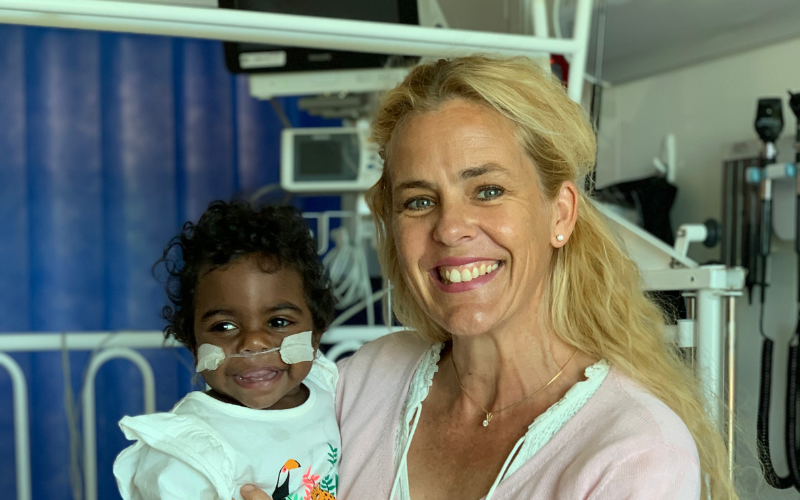
A co-designed and culturally secure intervention to improve medical follow-up for Aboriginal children hospitalised with acute chest infections resulted in higher follow-up rates and improved longer-term lung health outcomes for children.

Researchers from the Wal-yan Respiratory Research Centre are collaborating with Virex Pharma to undertake vital research into a potential breakthrough treatment for RSV infections in young children, thanks to a $499,241 grant awarded by the WA Department of Health Innovation Seed Fund.
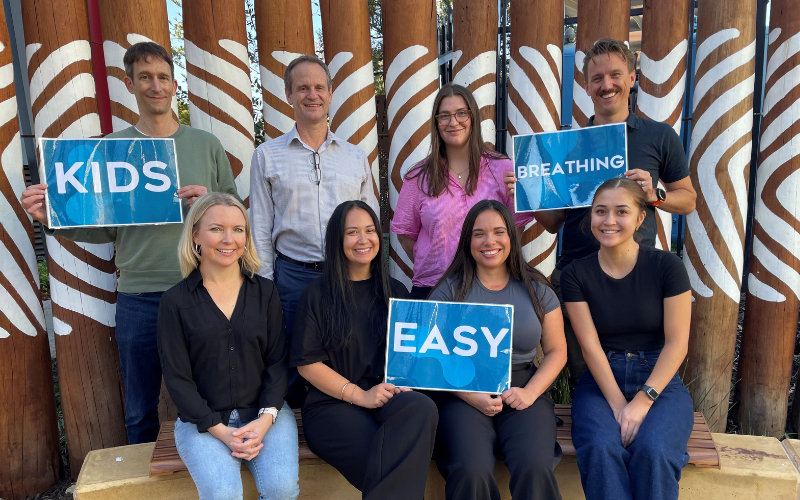
The Kids Easy Breathing Study kickstarts this month, with the aim of finding out how the airway surface is different between infants who develop chronic lung disease after contracting bronchiolitis compared with those who don’t.
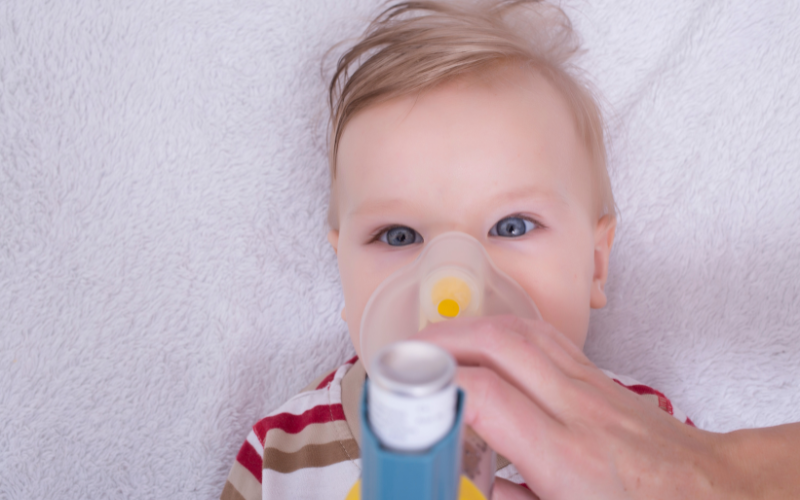
The study found the rare immune cells, known as plasmacytoid dendritic cells, showed clear signs of activation and virus defence in children with transient wheeze, whereas in children with persistent wheeze the same immune cells showed very limited activation without any signs of virus defence.

With COVID-19 being a major issue this year, is it still important to have a flu vaccine? And why have school aged children been included for a free vaccine?
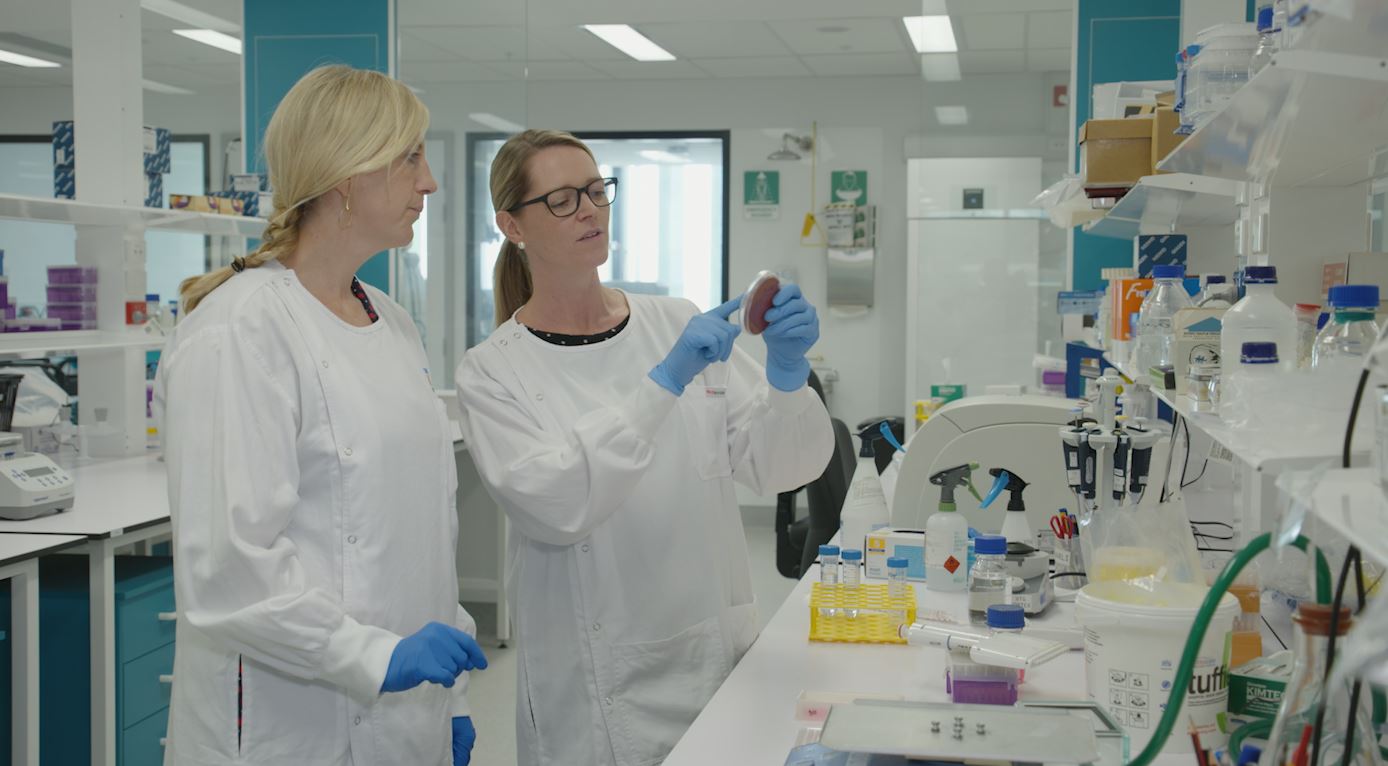
Research reveals that friendly bacteria may help reduce flu symptoms, offering new insights into potential treatments and enhancing our understanding of immune health.
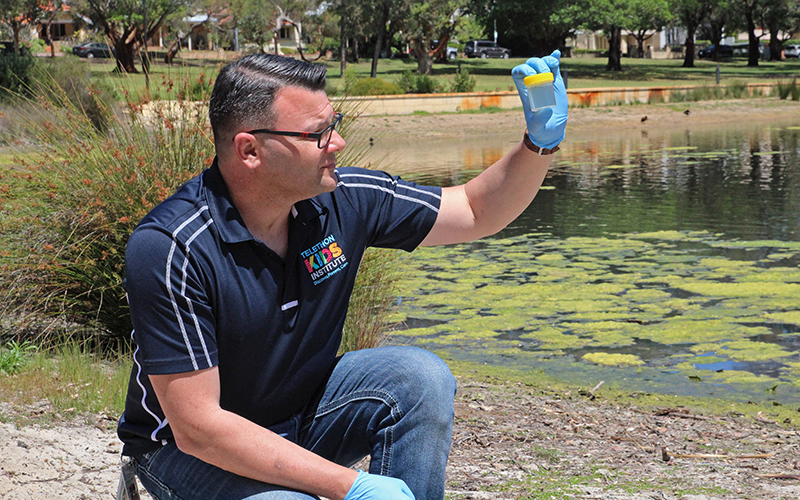
Perth researchers have discovered a predatory virus living in the city’s lakes and rivers that can fight antibiotic-resistant superbugs in children.

The Kids Research Institute Australia researcher, Niamh Troy, has been named a joint winner of the Exxon Mobile Student Scientist of the Year award at the Premier’s Science Awards.
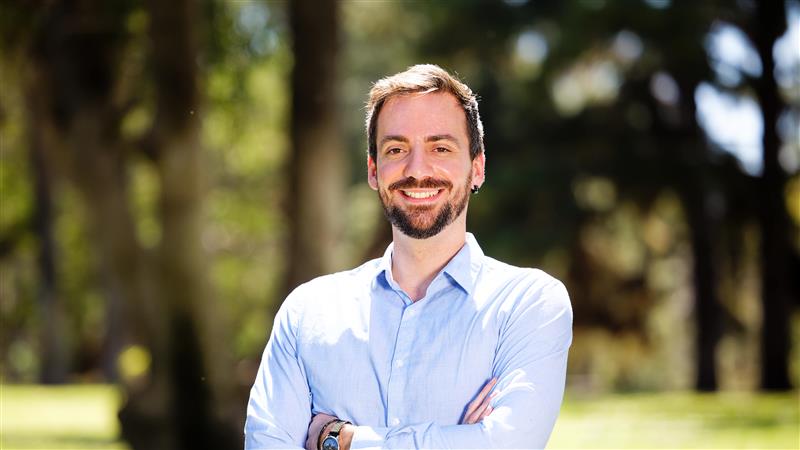
Researchers developing a world-first treatment that targets an underlying cause of asthma have secured a $499,640 grant from the Future Health, Research and Innovation Fund – Innovation Seed Fund.