
Search
Showing results for "mental health aboriginal"
In this review, we explore current knowledge and provide guidance as to when and how the inhaled route may be of value when treating patients whose tracheas are intubated

Crisis and mental health support organisations and contact details Emergency Assistance 000 Lifeline Phone and online counselling support available
A new report has found that the long term effects of past government policies to forcibly separate Aboriginal children from their families are being felt
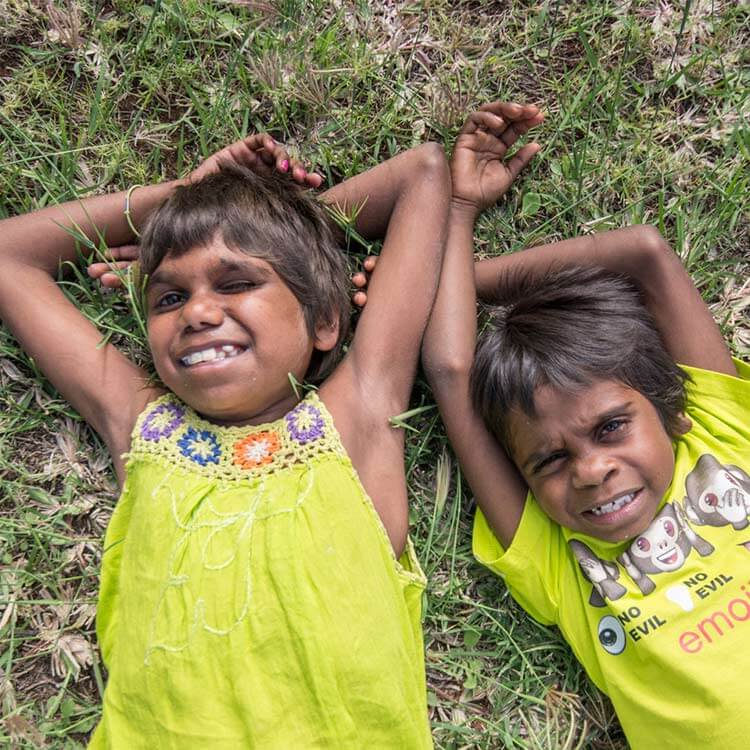
A new project aimed at reducing Fetal Alcohol Spectrum Disorder (FASD) in the Pilbara has been launched today in South Hedland.
The Kids Research Institute Australia was awarded funding to establish a whole-of-state Centre of Linked Data Analytics and Social Policy.

Co-Head, Aboriginal Health and Wellbeing

Systematic review explores engagement levels of digital tools during the perinatal period
This study aims to establish FASD prevalence among sentenced young people in detention in Western Australia (WA)
We have read with interest the new publication by Rouhiainen and colleagues on missed opportunities for preventing or diagnosing acute rheumatic fever (ARF).
There is a lack of evidence regarding the effect of dose, pattern and timing of prenatal alcohol exposure and behaviour problems in children aged 2 years.