
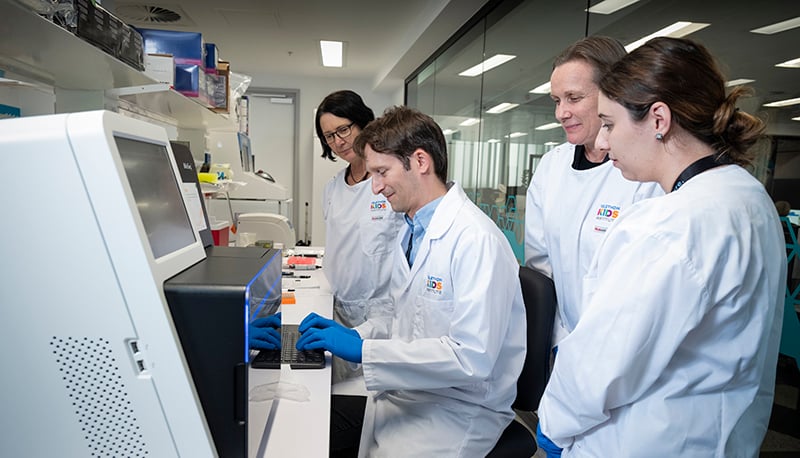
Computational research helps boost rare disease diagnosis
Allergic diseases are rising worldwide, especially in childhood, and their clinical diversity increasingly exposes the limits of traditional phenotyp…
The current prophylactic treatment to prevent rheumatic heart disease requires four-weekly intramuscular injection of a suspension of the poorly solu…
Australia’s Childhood Immunisation Register (ACIR) is one of only a handful of national immunisation registers world-wide.
Rheumatic heart disease (RHD) is a preventable, devastating condition that disproportionately ... height="571" /> What causes Rheumatic Heart Disease…
To determine population-based rates of non-fatal complications of rheumatic heart disease (RHD).

The Penicillin Team are working to accelerate research and clinical trials to improve penicillin formulation and treatment methods, to end RHD.
Increased collaboration and engagement across all sectors can optimise the use of linked data to help reduce the burden of infectious diseases

Program Assistant
Rheumatic heart disease is the largest contributor to cardiac-related mortality in children worldwide. Outcomes in endemic settings after its anteced…