
Search
Showing results for "Neuromuscular disorders "
Co-designed and in collaboration with community members, the impacts of this project will directly benefit families by building awareness, empowering decision-making, and improving confidence around the recognition and management of skin conditions for Aboriginal children.
Co-design of a program supporting paternal involvement in preterm care.
Yael Jacinta Penelope Keely Bep Amy Helen Claire Perry Freeman Strauss Bebbington Uink Finlay-Jones Milroy McIlroy BPsych (Hons) MPsych (Clin) PhD
Aboriginal children and families contend with higher rates of preventable infectious diseases that can be attributed to their immediate living environment. The environments in which children spend most of their time are their homes and schools. We aimed to understand the opportunities in the school setting to support student skin health and wellbeing through environmental health activities, how these activities were completed, and the barriers to their implementation.
Remote Aboriginal communities in Australia are located on traditional lands holding deep cultural significance and meaning for residents. However, systemic inequity rooted in colonisation has driven persistent housing and health disparities, with inadequate environmental health conditions within homes and communities a prominent example.
The transmission of Group A Streptococcus (Strep A) through respiratory droplets has been considered the dominant mode of transmission to date; however, little is known about the relative contribution of other modes of transmission. This review systematically summarises the contemporary evidence regarding the transmission of Strep A.
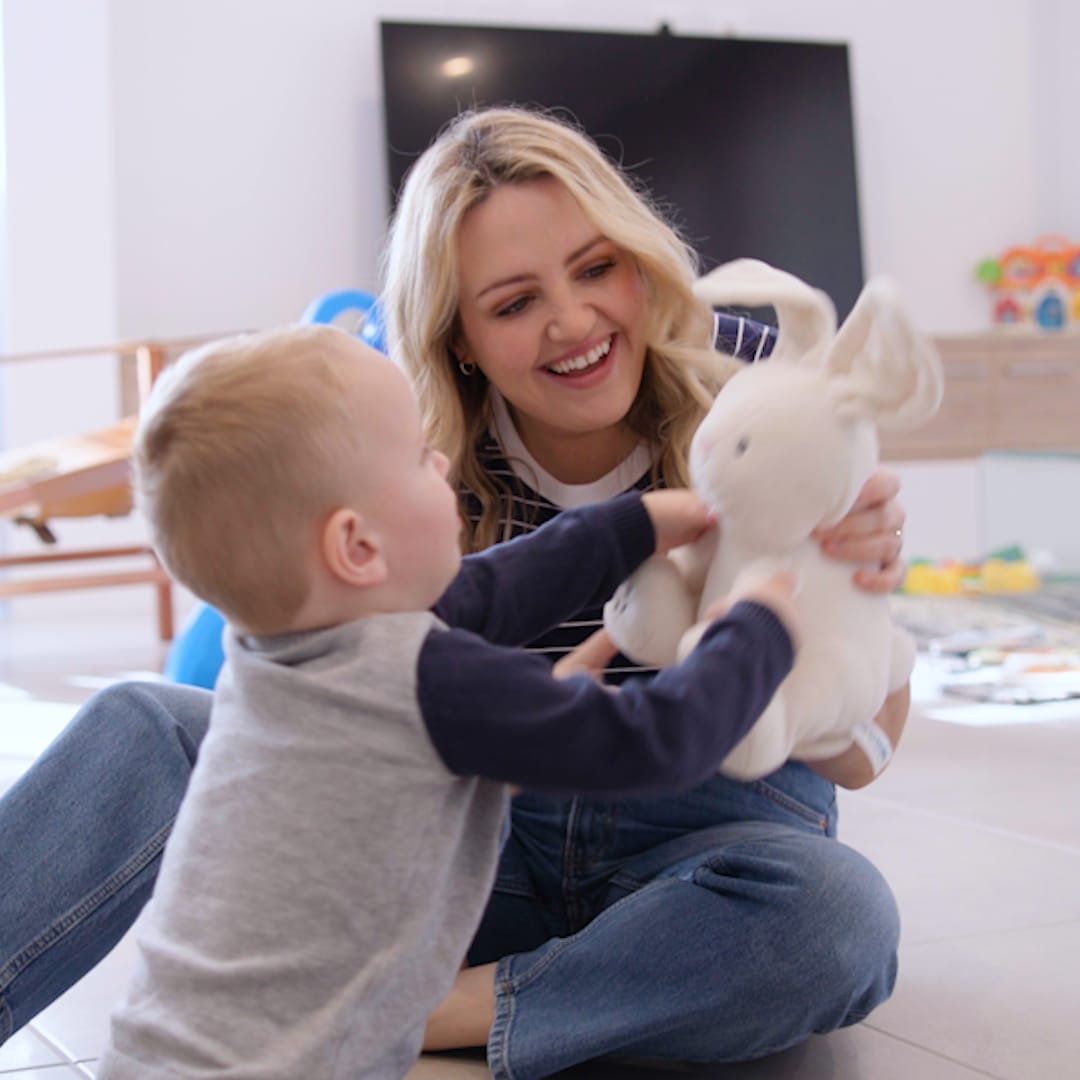
This blog aims to explore what emotions are, why they are important, and how we can support children to develop their ability to understand and express their own emotions in a healthy way.
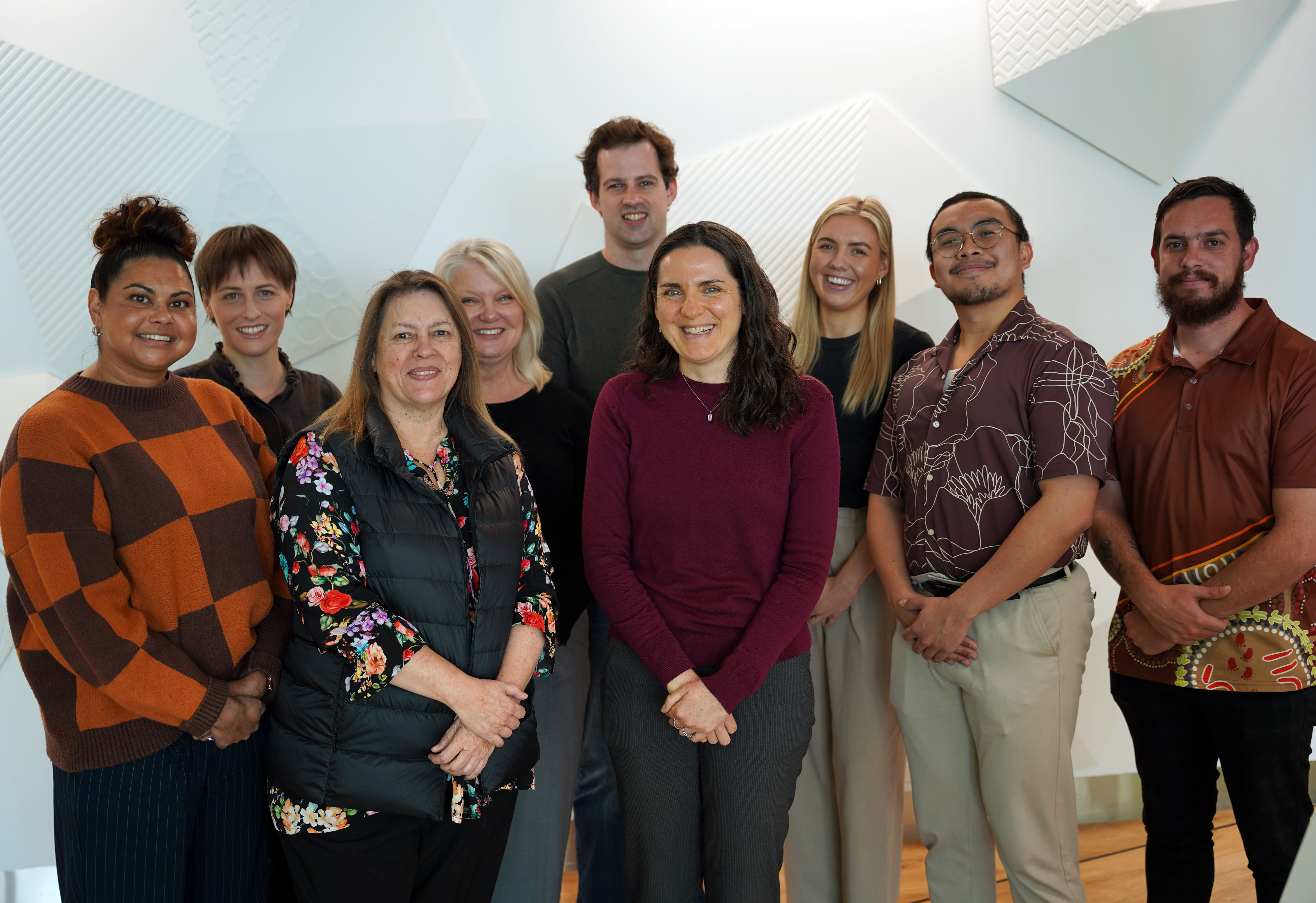
Embrace has appointed Professor of Clinical Psychology Jeneva Ohan as its new Co-Director alongside Professor Helen Milroy AM.
Skin concerns are frequent among urban-living Aboriginal children, yet specialist dermatology consultations are limited with studies highlighting the need for improved cultural security. Through newly established paediatric dermatology clinics at two urban Aboriginal Community Controlled Health Organisations (ACCHOs), we aimed to describe clinic and patient data, including disease frequencies and associations, to inform dermatology service provision and advocacy.
For millennia, Aboriginal people's ways of knowing, doing and being were shared through art, song, and dance. Colonisation silenced these ways, affecting loss of self-determination for Aboriginal people. Over the past decade in Australia, hip-hop projects have become culturally appropriate approaches for health promotion.