
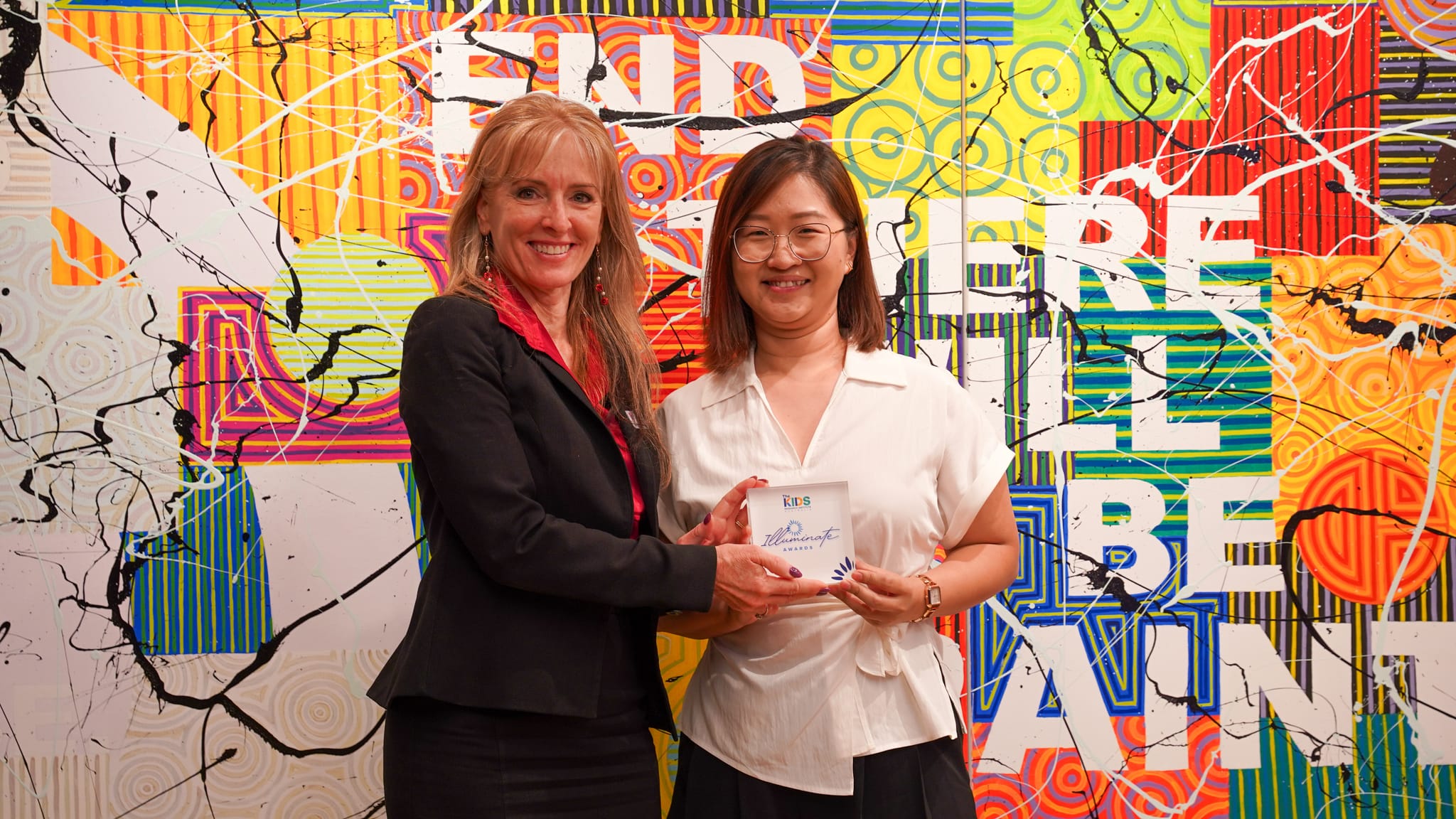
Dr Kak-Ming Ling, a Wal-yan Respiratory researcher at the Kids Research Institute Australia
Pneumococcal colonization of the nasopharynx is especially common in young children and is a pre-requisite for pneumococcal disease...
research or academic environment• Interest in Aboriginal health• Experience in dealing with corporate ... diversity and inclusivity. We actively enco…
Otitis media is a common childhood illness associated with hearing loss, social disadvantage and medical costs. Prevalence and severity are high amon…
Certain glutathione S-transferase genotypes may have protective effects against the long-term deficits in lung function associated with in utero toba…

Program Manager, Skin Health
Embrace 2024 Seeding Grant winners (clockwise from top left): Dr Penelope Strauss, Dr Renee Teal, Dr Melissa Licari, Dr Vincent Mancini
Treatment options for viral lung infections are currently limited. We aimed to explore the safety and efficacy of inhaled ethanol in an influenza-inf…
Bringing optimised coronavirus disease 2019 (COVID-19) vaccine schedules to immunocompromised populations (BOOST-IC) is a multi-site, adaptive platfo…
Nanoparticle research is currently an area of considerable interest due to the potential applications both in industry and medicine.