Skip to content

Search

Showing results for "lung disease preterm"

Neonatal complications in public and private patients: A retrospective cohort study

Despite the rates of low Apgar scores being higher in public patients, the rates of special care admission were lower.

Monitoring child abuse and neglect at a population level: patterns of hospital admissions for maltreatment and assault

To investigate the prevalence, trends, and characteristics of maltreatment and assault related hospital admissions and deaths among children;

Characteristics of non-Aboriginal and Aboriginal children and families with substantiated child maltreatment

To investigate specific child and parental factors associated with increased vulnerability to substantiated child maltreatment.

Our stories of support

The The Kids Community stretches far and wide, and is full of inspiring people, doing inspiring things for child health research.

Reducing the asthma burden: generous grant secured to develop world-first treatment

Researchers developing a world-first treatment that targets an underlying cause of asthma have secured a $499,640 grant from the Future Health, Research and Innovation Fund – Innovation Seed Fund.

Biobank funding supports valuable research resources

Four The Kids Research Institute Australia-based biobanks which underpin a range of cancer, respiratory and early life research have received more than $450,000 in funding.

Vitamin D and Sunlight

In a sunny country such as Australia, it’s important to identify how to achieve the right amount of sun exposure for good health. We need to be able to harness the benefits of vitamin D and sunlight while remaining protected from the proven dangers of too much UV radiation.

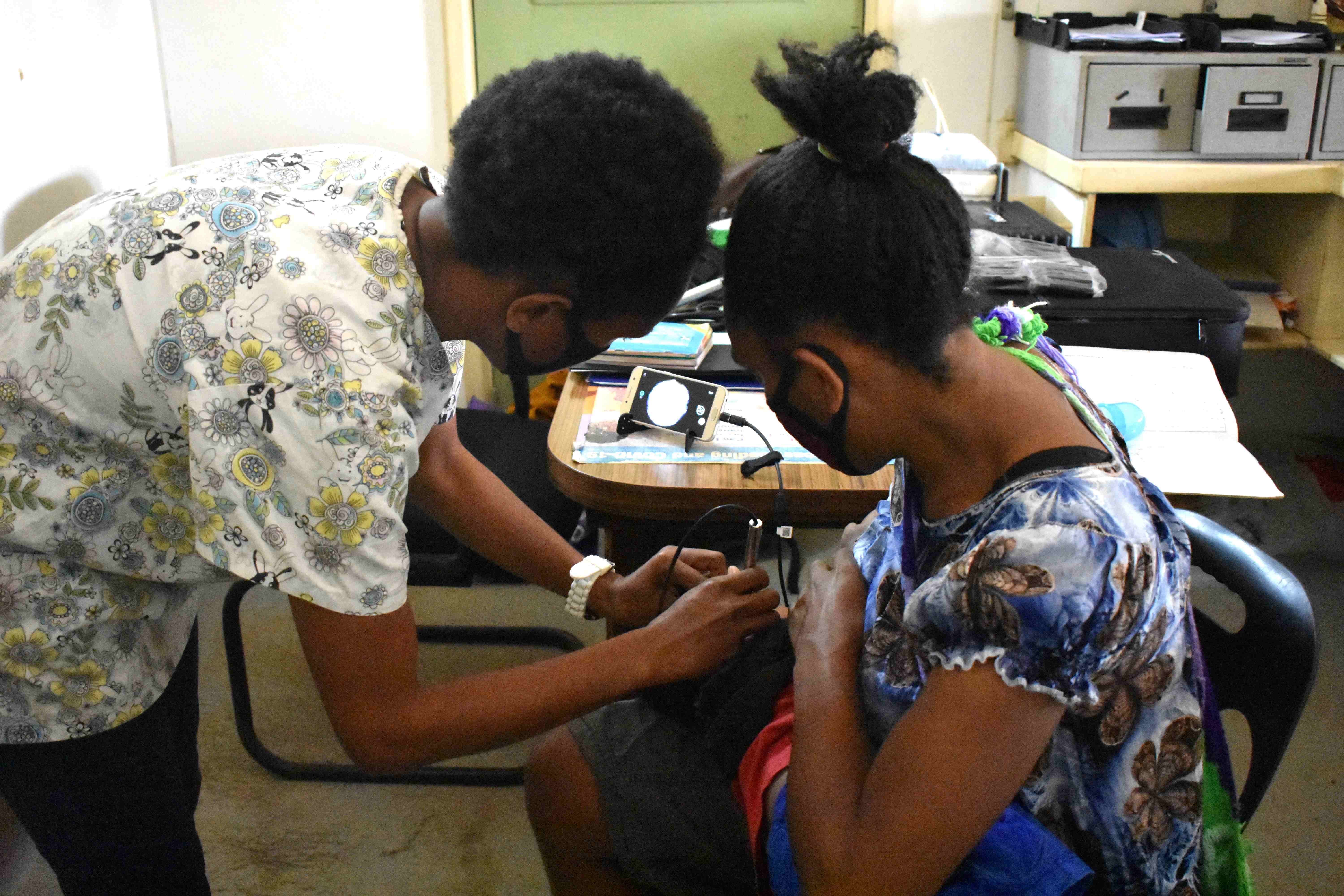
Evaluating the impact of the ‘Blow, Breathe, Cough’ health promotion intervention in resolving otitis media with effusion in children: An adaptive randomized-controlled trial protocol

Otitis media with effusion (OME) affects hearing, speech development, and quality of life (QoL) in children. The 'Blow, Breathe, Cough' (BBC) intervention promotes nasal, respiratory, and middle ear clearance through nose blowing, deep breathing, coughing, and hand hygiene. It shows promise in resolving OME but lacks randomized-controlled trial (RCT) evaluation. This paper presents a RCT protocol evaluating BBC's effect on OME resolution, hearing, speech, and QoL in children aged two to seven years.

Wait a Minute or More (WAMM): a pragmatic stepped wedge cluster randomised implementation trial assessing the effect of a quality improvement programme

Delayed cord clamping (DCC) is an evidence-based intervention that reduces mortality, anaemia and disability in infants born <37 weeks' gestation who do not require immediate resuscitation. However, it is neither reliably recorded nor routinely implemented in Australia. The Wait a Minute or More study aims to reduce this gap between the evidence and practice by integrating timely sharing of cord clamping data with Evidence-based Practice for Improving Quality methods to increase the proportion of preterm infants receiving DCC for 60s or longer (DCC60).

CIRCA DIEM

The CIRCA DIEM Study is a clinical research study being coordinated by the Chronobiology Team at The Kids Research Institute Australia, who are based in Perth, Western Australia and involving research teams from around the world.