
Search
Showing results for "mental health aboriginal"
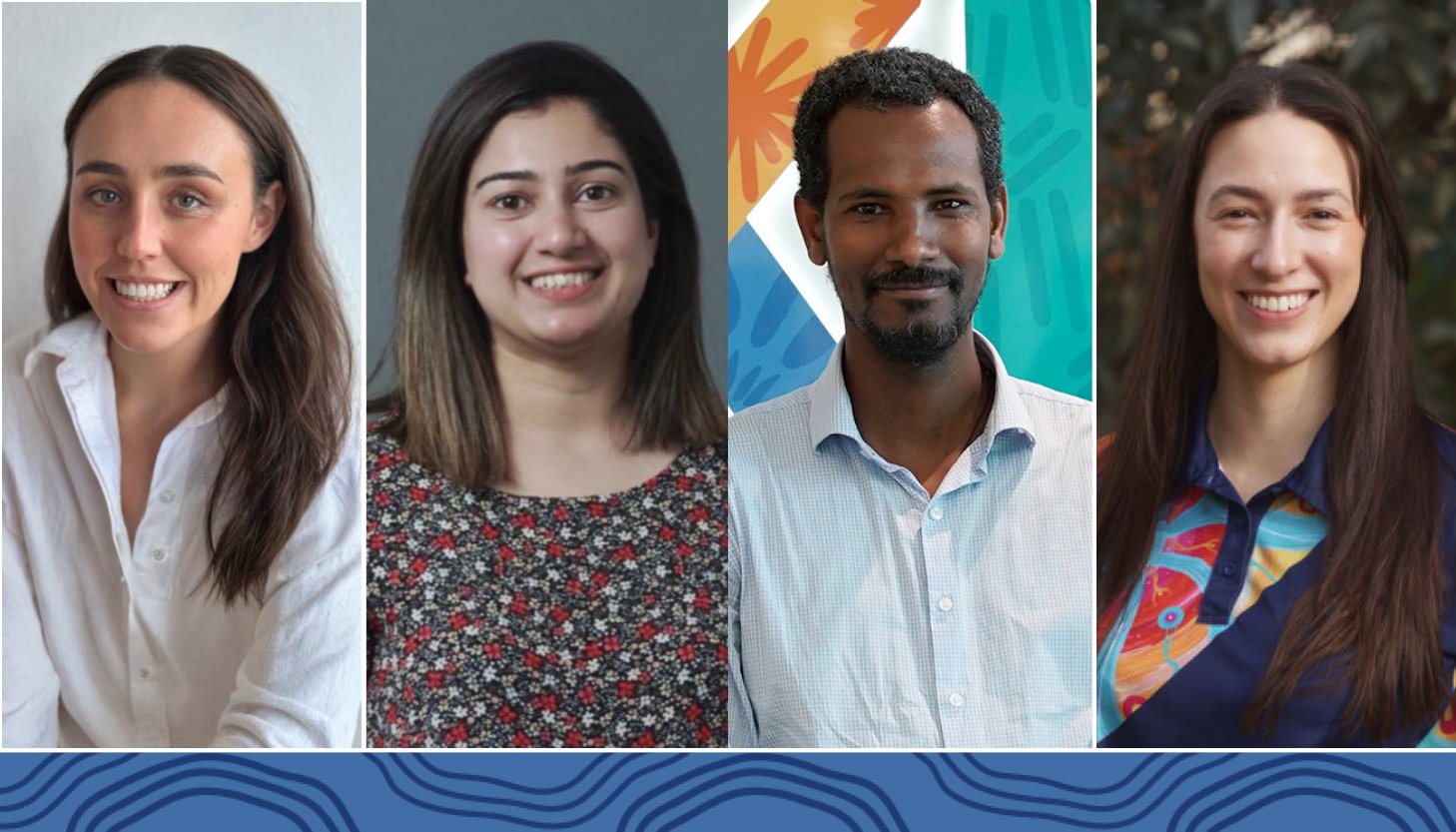
Congratulations to four outstanding early-career researchers from The Kids Research Institute Australia, who have been awarded BrightSpark Foundation fellowships and project funding for 2026.
Honorary
These project websites display extended detailed information about specific research areas.
Childhood asthma begins as wheeze (a whistling sound produced by the airways during breathing) during preschool age.
André Graham Ingrid Schultz Hall Laing MBChB, PhD, FRACP BAppSci PhD CRFS FANZSRS FThorSoc FERS BSc PhD Head, BREATH Team Honorary Research Associate
Amy Jenny Susan Desiree Keerthi Finlay-Jones Downs Prescott Silva Kottampally BPsych(Hons), MPsych(Clinical), MHealthEcon, PhD (Clin Psych) BApplSci
Many children and their families, especially those from priority populations, experience barriers to accessing high-quality early childhood health, education, social and legal services. Further, these families are often under-represented in service planning and research; hence innovations are not designed to meet their needs. Our aim is to codesign with families and the wider community, a Strength-based, Tiered, Accessible Resources and Supports for Kids (STARS for Kids) programme to optimise child development, parental mental well-being, and family psychosocial needs in the first 2000 days from pregnancy to start of school
Children with ADHD are disadvantaged from an early age in key areas of learning, and this risk increased with reduction in gestational age at birth
We examined general fertility rates from 1995 and 2006 by socioeconomic group, maternal age, Aboriginality and location in WA before and after the Baby Bonus.
Diagnosis of chronic disease in a child can result in unresolved grief (UG) in parents. This study aimed to evaluate the efficacy of psychological insight-oriented therapy (IOT) as a treatment for UG compared to disease related education in parents of children with cystic fibrosis. Sequence of delivery, first IOT then disease related education (or vice versa) was also examined, to let all participants experience both interventions.