
Search
Showing results for "early lung health"

Chair of Paediatric anaesthesia, University of Western Australia; Consultant Paediatric Anaesthetist, Perth Children’s Hospital; Head, Perioperative Medicine

Perth researchers have found toxic and harmful chemicals in several dozen e-cigarette liquids readily available in Australia.

Two outstanding researchers from the Wal-yan Respiratory Research Centre have been awarded Vertex Cystic Fibrosis (CF) Mentored Innovation Research Awards.
Pat Peter Tom Holt Richmond Snelling PhD, DSc, FRCPath, FRCPI, FAA MBBS MRCP(UK) FRACP BMBS DTMH GDipClinEpid PhD FRACP Emeritus Honorary Researcher
Pat Tom Holt Snelling PhD, DSc, FRCPath, FRCPI, FAA BMBS DTMH GDipClinEpid PhD FRACP Emeritus Honorary Researcher Head, Infectious Disease
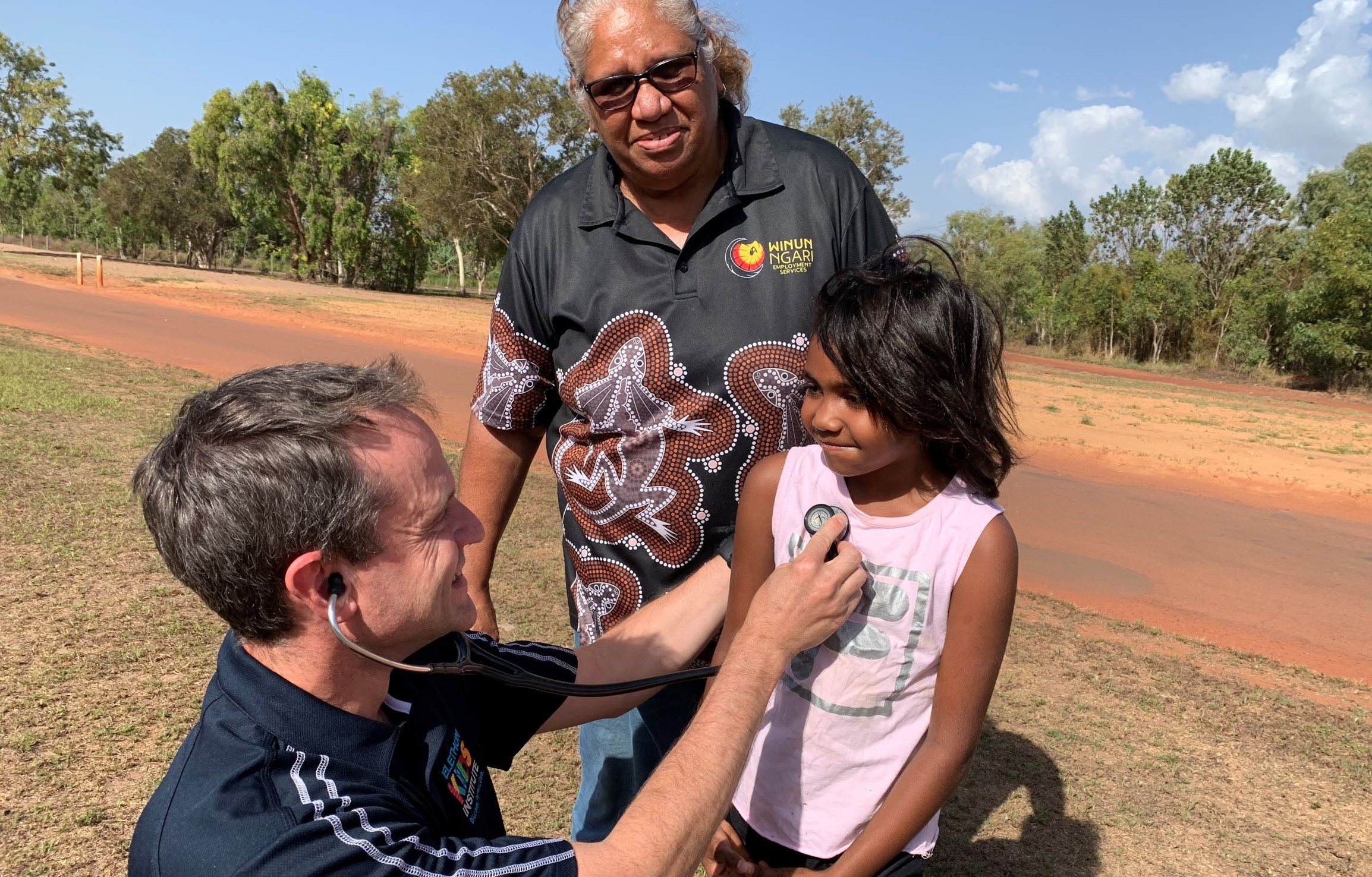
Results from a world first-study measuring prevalence of chronic wet cough and protracted bacterial bronchitis in four Kimberley Aboriginal communities have highlighted the enormity of the health problem.
Functional studies of how early-life interventions shape the airway microbiome remain scarce. Here, we performed metagenomic sequencing of 704 longitudinal nasal swabs from infants with and without cystic fibrosis (CF) to construct and characterize a non-redundant gene atlas of the infant nasal microbiome. We aimed to determine how the nasal microbiome is perturbed by early therapies, as CF is commonly treated with inhaled hypertonic saline to improve mucociliary clearance.
Christopher Asha André Dr Anita Blyth Bowen Schultz Campbell MBBS (Hons) DCH FRACP FRCPA PhD BA MBBS DCH FRACP PhD GAICD FAHMS OAM MBChB, PhD, FRACP
The method outlined in this article is a customization of the whole exhaust exposure method generated by Mullins et al. (2016) using reprogrammed primary human airway epithelial cells as described by Martinovich et al. (2017). It has been used successfully to generate recently published data (Landwehr et al. 2021). The goal was to generate an exhaust exposure model where exhaust is collected from a modern engine, real-world exhaust concentrations are used and relevant tissues exposed to assess the effects of multiple biodiesel exposures.
Combination vaccines containing whole-cell pertussis antigens were phased out from the Australian national immunisation programme between 1997 and 1999 and replaced by the less reactogenic acellular pertussis (aP) antigens. In a large case-control study of Australian children born during the transition period, those with allergist diagnosed IgE-mediated food allergy were less likely to have received whole-cell vaccine in early infancy than matched population controls (OR: 0.77 (95% CI, 0.62 to 0.95)). We hypothesise that a single dose of whole-cell vaccine in early infancy is protective against IgE-mediated food allergy.