
Neisseria meningitidis serogroups B, C, and Y cause most meningococcal disease in industrialized countries...
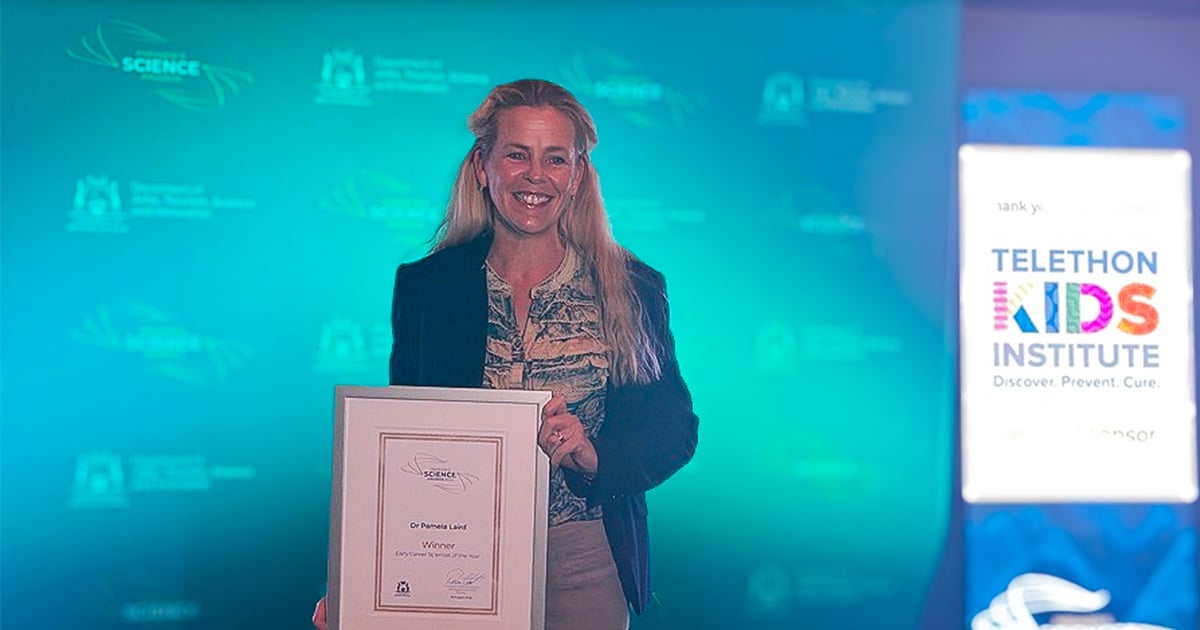
contribution towards reducing the chronic respiratory disease burden in Aboriginal children. Through her ... prevalence of the life-shortening ‘orpha…
The diagnosis of acute rheumatic fever relies on a combination of clinical evaluation and laboratory studies. Diagnosis is usually made using the Jon…
Cardiovascular disease (CVD) is the leading cause of death in women around the world. Aboriginal and Torres Strait Islander women (Australian Indigen…
In mid-2018, the Australian childhood 13-valent pneumococcal conjugate vaccine schedule changed from 3+0 to 2+1, moving the third dose to 12 months o…
Pneumococcal disease (PD) remains a major health concern with considerable morbidity and mortality in children. Currently licensed pneumococcal conju…
The realisation of human potential for development requires age-specific investment throughout the 8000 days of childhood and adolescence.

The Kids Research Institute Australia is proud to be a part of the Rare Care Comprehensive Centre (RCCC) for children with rare and undiagnosed disea…
Overweight and other risk factors for cardiovascular disease (CVD) as well as their clustering, are increasingly prevalent among adolescents.
Frequent exposure to low levels of sunlight may reduce the severity of hepatic steatosis induced in older adults living in environments of high calor…