
Search
Showing results for "preterm birth lungs"

Mucus accumulation in the lungs precedes structural changes and infection in children with cystic fibrosis. Abstract Although destructive airway
Economic preferences may be shaped by exposure to sex hormones around birth. Prior studies of economic preferences and numerous other phenotypic characteristics use digit ratios (2D : 4D), a purported proxy for prenatal testosterone exposure, whose validity has recently been questioned. We use direct measures of neonatal sex hormones (testosterone and oestrogen), measured from umbilical cord blood (n = 200) to investigate their association with later-life economic preferences (risk preferences, competitiveness, time preferences and social preferences) in an Australian cohort (Raine Study Gen2).
When babies are born early or ‘preterm’ their tiny bodies are put under a lot of stress that can result in health problems in later life.

More than 14 researchers from the Wal-yan Respiratory Research Centre will be welcomed as presenters and facilitators at The Thoracic Society of Australia and New Zealand and The Australia and New Zealand Society of Respiratory Science (TSANZSRS) Annual Scientific Meeting (ASM) this weekend.
New study confirms link between alcohol and birth defects
In a community-based birth cohort of 158 Australian infants followed to age 2 years, the incidence rate of human parainfluenza virus (HPIV) was 0.42 (95% CI = 0.33, 0.54) episodes per child-year with episodes occurring year-round, peaking in the spring season.
Birth order effects have been linked to variability in intelligence, educational attainment and sexual orientation. First- and later-born children have been linked to an increased likelihood of an Autism Spectrum Disorder (ASD) diagnosis, with a smaller body of evidence implicating decreases in cognitive functioning with increased birth order.
Infants (<1 year old) are the age group in Australia with the highest rate of involvement with child protection. Many jurisdictions across Australia and internationally are implementing policies focused on prenatal planning and targeted support.This study investigates Australian trends in prenatal and infant child protection notifications, substantiations and out-of-home care; and the extent of over-representation of Aboriginal and Torres Strait Islander infants.
Association of pre-pregnancy weight, birth defects
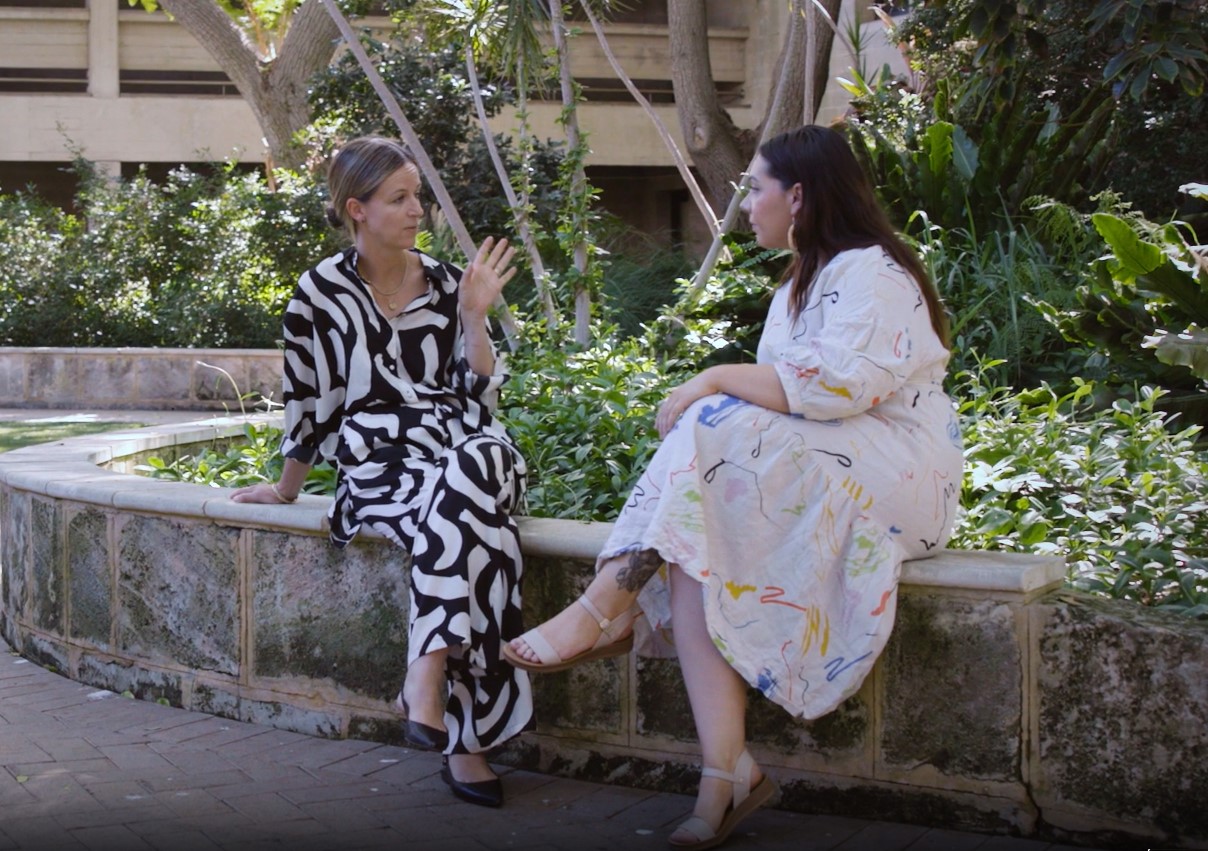
Dr Kelli MacMillan and Embracing the Mind host Dr Alix Woolard discussing childbirth trauma.