
Search
Showing results for "e-cigarettes"
The Infectious Disease Ecology and Modelling team led by Professor Nick Golding, combines mathematical and statistical modelling, ecology, and public health to address malaria and other infectious and vector-borne diseases. The team uses modelling and maps to measure the risk posed by some of the world’s most important and neglected diseases – including malaria, Japanese Encephalitis and COVID-19 – and provide rapid modelling analyses to policy makers.
(Central) Auditory Processing Disorder ([C]APD) is an umbrella term for children who have difficulty with listening, despite normal hearing. Children with (C)APD frequently experience academic, behavioural, emotional, cognitive and social difficulties, and lack accessible, long-lasting wholistic treatments. Hence, a transdisciplinary intervention has been developed – Auditory-Cued Exercise Therapy.
B-cell acute lymphoblastic leukemia (B-ALL) is the most common pediatric cancer. Current therapeutic regimens have improved 5-year event-free survival rates to 90%, however clinical outcomes for high-risk subgroups, such as BCR-ABL1+ B-ALL and relapsed ALL, remain poor. In addition, 16% of newly diagnosed children with ALL present with vertebral compression fractures. Moreover, 16% of children with ALL undergoing glucocorticoid therapy also experience a high incidence of vertebral fractures, indicating that bone health may be compromised by both leukemia progression and osteotoxicity of chemotherapy.
Mesothelioma is a cancer derived from mesothelial cells, most commonly arising from the pleura or the peritoneum. Immune checkpoint therapy (ICT) has shown survival benefit for pleural mesothelioma, but little is known about the response in peritoneal mesothelioma. Most preclinical mesothelioma models involve subcutaneous cancer cell implantation, which lacks the relevant tumour microenvironment of peritoneal mesothelioma and does not resemble the clinical presentation.
MECP2 duplication syndrome (MDS) is an ultrarare, X-linked neurodevelopmental disorder that is poorly understood in terms of its natural history and phenotypic variability. There is limited information on how individuals with MDS acquire, retain or lose fundamental functional skills (gross motor, purposeful hand function and communication) - that of which this study aimed to better characterise in the largest case series to date.
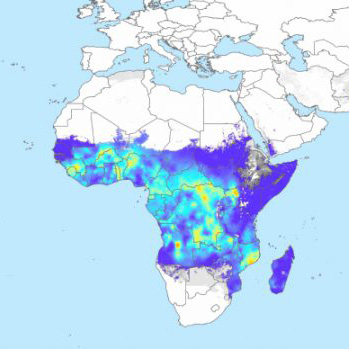
Bacillus Calmette-Guérin (BCG) protects children from severe tuberculosis and remains the only licensed vaccine for tuberculosis. Subnational estimates of BCG coverage are essential for identifying underserved populations across Africa. This study aimed to map BCG vaccination coverage in Africa from 1990 to 2022.
Current immunization guidelines recommend one dose of influenza vaccine for children aged ≥9 years and two doses for younger or vaccine-naïve children. However, children receiving chemotherapy have an attenuated immune response. We performed a prospective open-label study in children undergoing treatment for cancer at Perth Children's Hospital, Western Australia, to examine the safety and efficacy of a boosted influenza schedule.
International guidelines recommend multidisciplinary intervention programs for addressing childhood obesity. In Western Australia, community-based healthy lifestyle programs for children and young people are insufficient for demand, especially for those over-represented in obesity statistics relating to prevalence. This protocol outlines the implementation and evaluation of an adapted, evidenced, community-based program in Perth, Western Australia.
Social media allows users to connect with others’ experiences and points of view, with TikTok being the fastest-growing platform worldwide. Highly viewed videos related to neurodiversity on TikTok have an increasing role in understanding and acceptance of neurodivergent individuals.
The Australian Therapeutic Goods Administration approved the use of nirsevimab, a long-acting monoclonal antibody for the prevention of Respiratory Syncytial Virus (RSV), in November 2023. Western Australia (WA) implemented a combination of nirsevimab administration strategies designed to protect all infants starting in April 2024, before the epidemic season. We developed a dynamic transmission model to predict the impact of WA's RSV immunisation program on infant hospitalisations.