
Search
Showing results for "early lung health"
Alex Brown BMed, MPH, PhD, FRACP (hon.), FCSANZ, FAAHMS Professor of Indigenous Genomics +61421278314 alex.brown@anu.edu.au Professor of Indigenous
The objective of this study was to investigate cardiometabolic health markers among Aboriginal adolescents aged 10-24 years and relationships with age, gender, and body composition.
Environmental epigenetics is a fast-growing field of scientific research attracting interest from key stakeholders in Indigenous health internationally, including researchers, clinicians, policymakers, and advocacy organisations. It is the study of how various external factors, including food, stress, and toxins, alter genetic expression, and could be biologically passed down to children (and potentially grandchildren).
Social disconnectedness and isolation are risk factors for poor mental health. Community-based friendship group interventions have been designed to increase an individual's social capital and consequently their mental wellbeing. Structured and unstructured friendship groups reflect two distinct approaches to friendship group interventions.
While there is potential for societal benefit from linkage and integration of large datasets, there are gaps in our understanding of the implications for children and young people, and limited inclusion of their views within this discourse. We aimed to understand the views and expectations of children, young people and their parents/caregivers in Aotearoa New Zealand regarding child health data storage, linkage and consent for use.
The usual output following health consultations from paediatric services is a clinical letter to the referring professional or primary care provider, with a copy sent to the patient's caregiver. There is little research on how patients and caregivers perceive the letter content.
To examine and synthesise recent evidence on the role of grandparents in shaping children's dietary health.
The incidence of mental illness is greatest among young adults, and those enrolled in higher education may be particularly vulnerable compared to the general young adult population. Many higher education institutions employ student support staff tasked with implementing strategies to improve student wellbeing and mental illness.
The aim of this study was to investigate treatment burden and its relationship with health-related quality of life among patients with multimorbidity (two or more chronic diseases) who were taking prescription medications and attending the outpatient department of the University of Gondar Comprehensive Specialized Teaching Hospital.
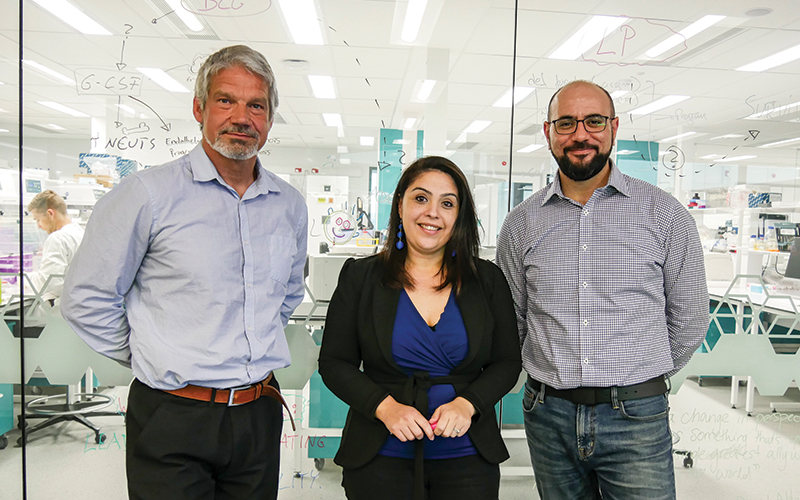
Running any research project is a feat of logistical gymnastics – and often, you don’t know what can go wrong until it happens.