
Search
Showing results for "preterm birth lungs"
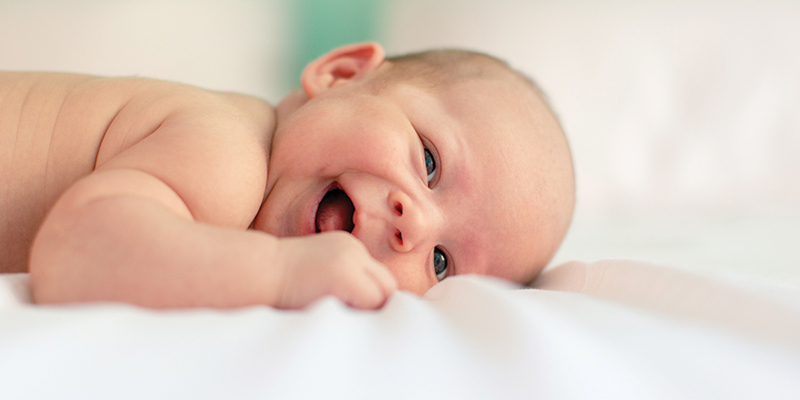
Babies are most vulnerable to life-threatening diseases in their first few weeks of life, yet current vaccines can’t be given until two months of age.
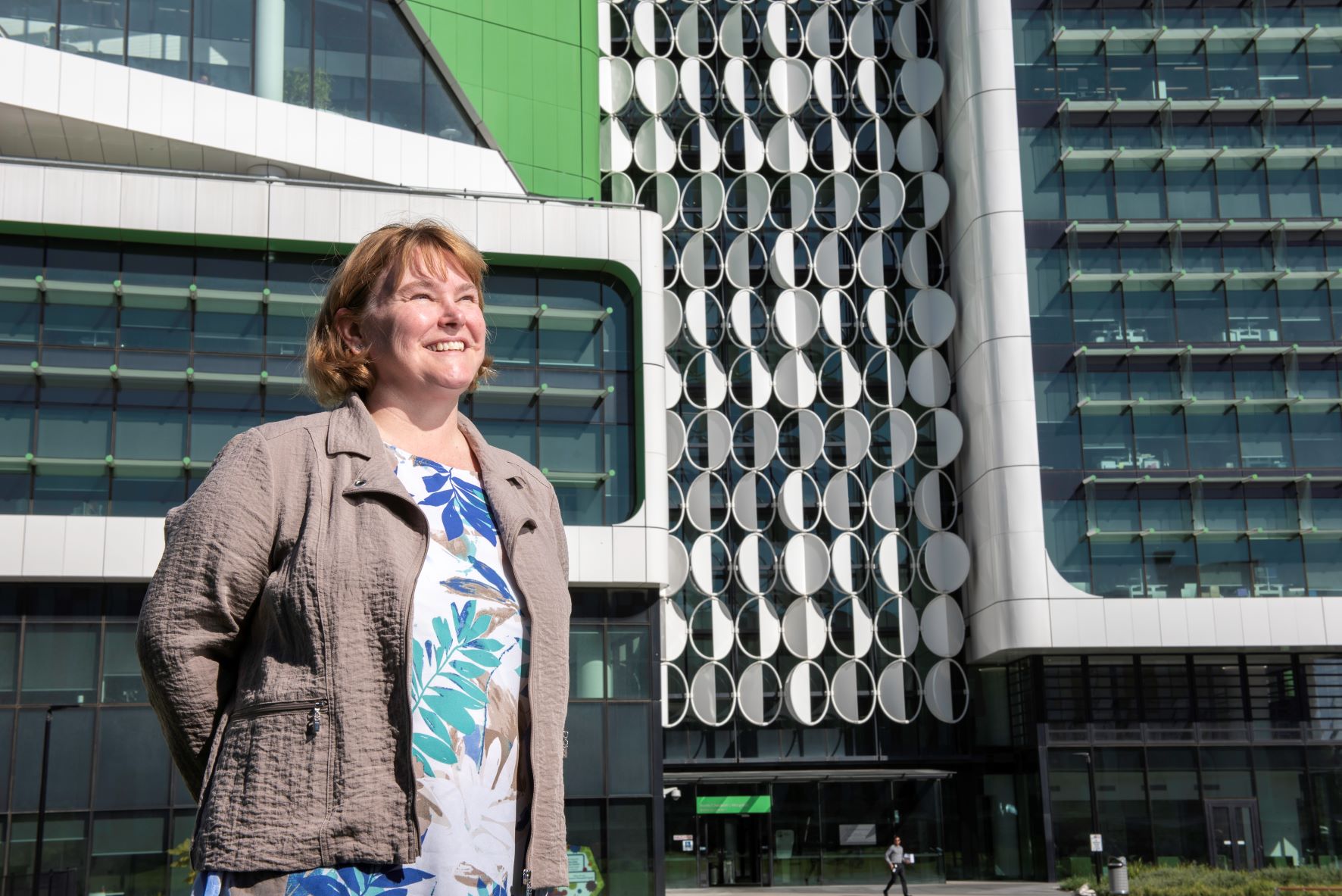
ORIGINS' SYMBA study awarded State Government grant to extend vital research into allergies
Catch up on the December 2023 edition of our Research News.
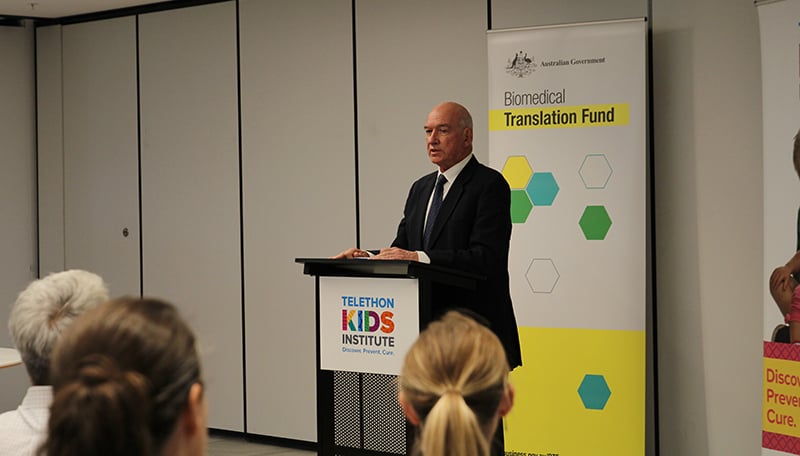
A The Kids Research Institute Australia spin-off company has received $20 million from the Medical Research Commercialisation Fund to develop a promising new therapy for the treatment of Cystic Fibrosis.

The Kids Research Institute Australia and Perth Children’s Hospital clinician-researchers have found more than one in ten children across four remote Kimberley communities have protracted bacterial bronchitis.

The Kids Research Institute Australia researchers set out on a worldwide search to find out all they could about Rett syndrome, establishing databases and creating awareness.
Pulmonary exacerbations are associated with increased morbidity and mortality in people with cystic fibrosis (CF). There is no consensus about which outcomes should be evaluated in studies of pulmonary exacerbations or how these outcomes should be measured.
Nontypeable Haemophilus influenzae (NTHi) is a major otitis media (OM) pathogen, with colonization a prerequisite for disease development. Most acute OM is in children <5 years old, with recurrent and chronic OM impacting hearing and learning. Therapies to prevent NTHi colonization and/or disease are needed, especially for young children. Respiratory viruses are implicated in driving the development of bacterial OM in children.
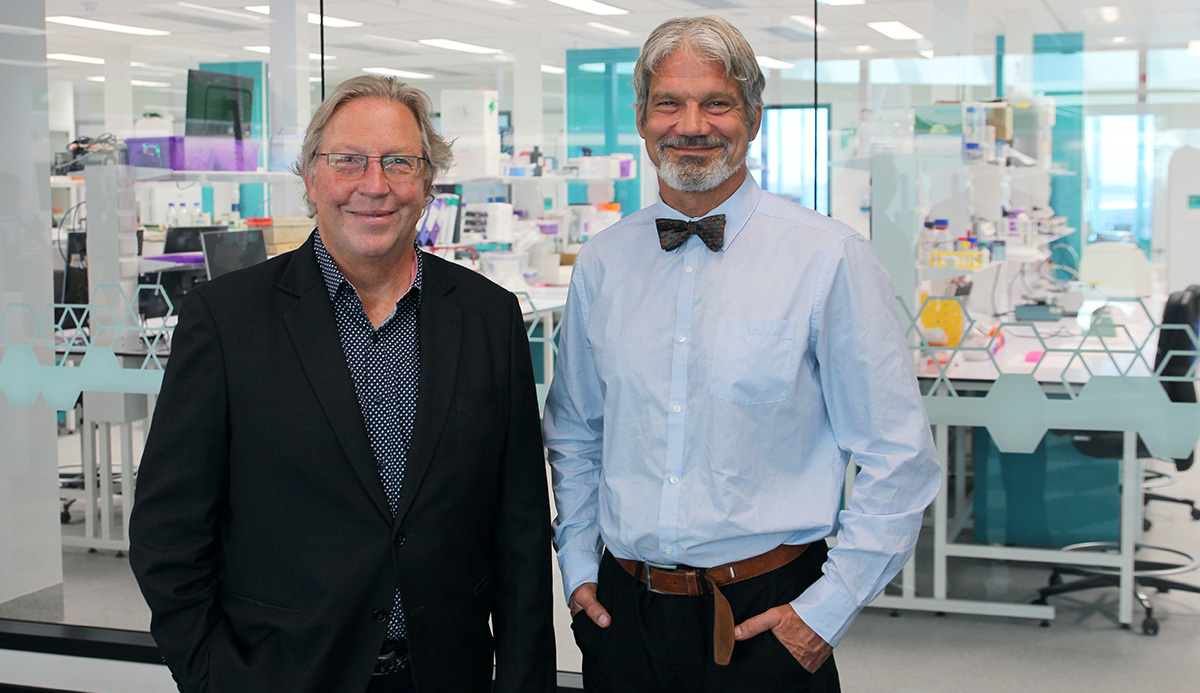
Perth researchers are leading an international clinical trial focused on preventing the spread of COVID-19 by testing the effectiveness of the drug interferon in reducing the infectiousness of people who contract the virus.

Four The Kids Research Institute Australia researchers – working across diverse fields including paediatric anaesthesia, bioinformatics, ear health, and the health impacts of biodiesel exhaust – have been named as finalists in the 2021 Premier’s Science Awards.