
Search
Showing results for "Childhood interstitial lung disease "
To establish the burden of respiratory illness in cerebral palsy (CP) on the Western Australian health care system by quantifying the costs of respiratory hospitalizations in children with CP, compared with non-respiratory hospitalizations.
Sex-related differences in bronchial hyperresponsiveness (BHR) have been reported in adolescents, but the mechanisms remain obscure.
Tom Snelling BMBS DTMH GDipClinEpid PhD FRACP Head, Infectious Disease Implementation Research 08 6319 1817 tom.snelling@thekids.org.au Head,

Head, Infectious Disease Implementation Research

The hearts of everyone at The Kids go out to the family and friends of Lachlan Hernaman, a long-term participant in lung health research who died suddenly on April 30.
In healthy individuals, deep inspirations (DIs) taken prior to a bronchial challenge reduce the bronchoconstrictor response, which is termed...
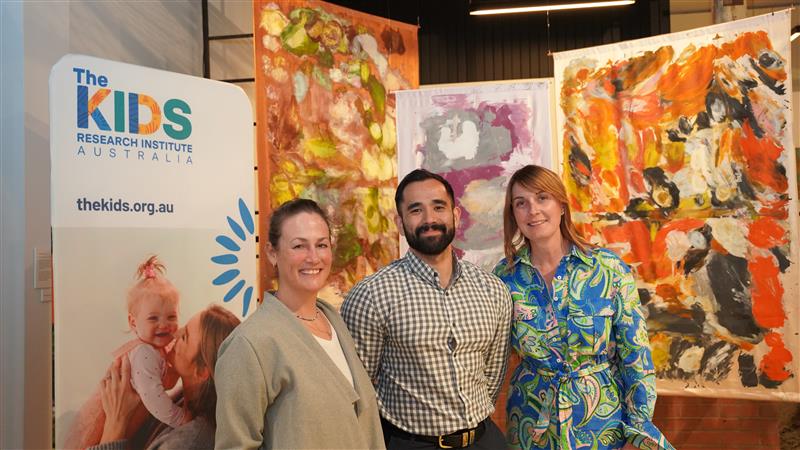
Support our best and brightest at the most pivotal time in their careers.

Your presence connects brilliant minds with the support they need to fuel bold ideas.
Graham Jenny Peter Hall Downs Jacoby BAppSci PhD CRFS FANZSRS FThorSoc FERS BApplSci (physio) MSc PhD BA (Hons) MSc Honorary Research Associate Head,
Coronavirus-2019 (COVID-19) vaccination in Australia commenced in February 2021. The first vaccines recommended for use were AZD1222 and BNT162b2, both delivered as a two-dose primary schedule. In the absence of sustained immunity following immunisation, recommendations for booster vaccination have followed. It is likely that periodic boosting will be necessary for at least some Australians, but it is unknown what the optimal booster vaccines and schedules are or for whom vaccination should be recommended.