
Search
Showing results for "preterm birth lungs"
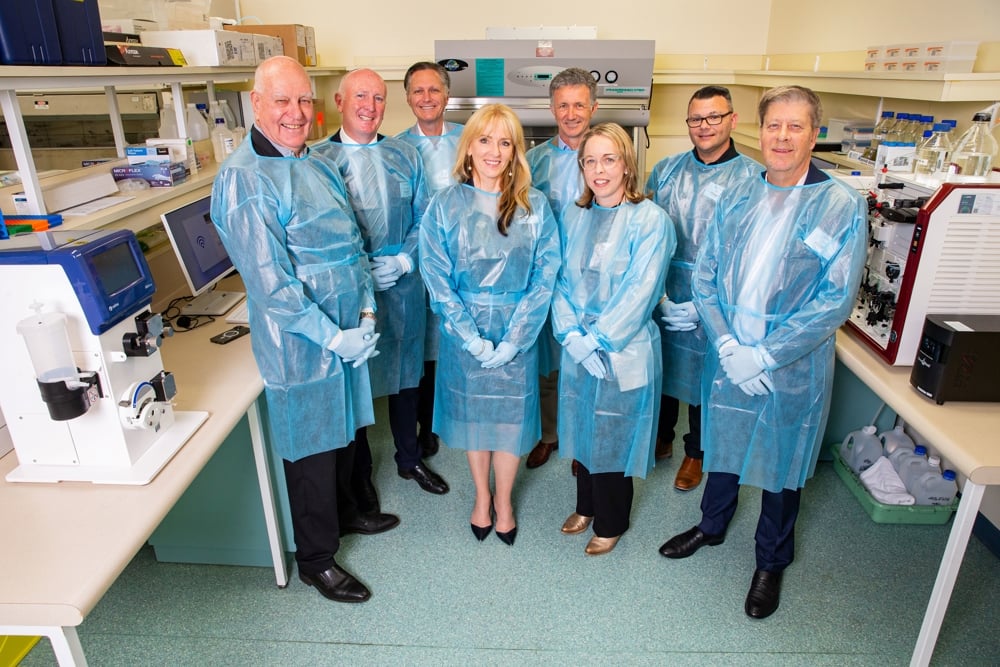
Patients battling antibiotic-resistant superbugs will soon have access to life-saving WA-made therapies that could help treat lung, skin and ear infections as well as bacterial infections like Golden Staph. Western Australia's inaugural phage manufacturing facility – spearheaded by a team at the
Australian Aboriginal people have among the highest rates of invasive pneumococcal disease (IPD) worldwide. This paper investigates clinical diagnosis, risk...
The Early Moves study is investigating whether a baby’s early movements can predict learning difficulties later in childhood.

This study explores the role of infant sleep in early childhood development.
The monoclonal antibody, palivizumab is licensed for use in high-risk infants to prevent severe illness caused by respiratory syncytial virus (RSV). The level of its use and compliance with current jurisdictional guidelines which were amended in 2010, is unknown.
Palivizumab appeared effective for reducing virologically confirmed respiratory syncytial virus in this high-risk cohort
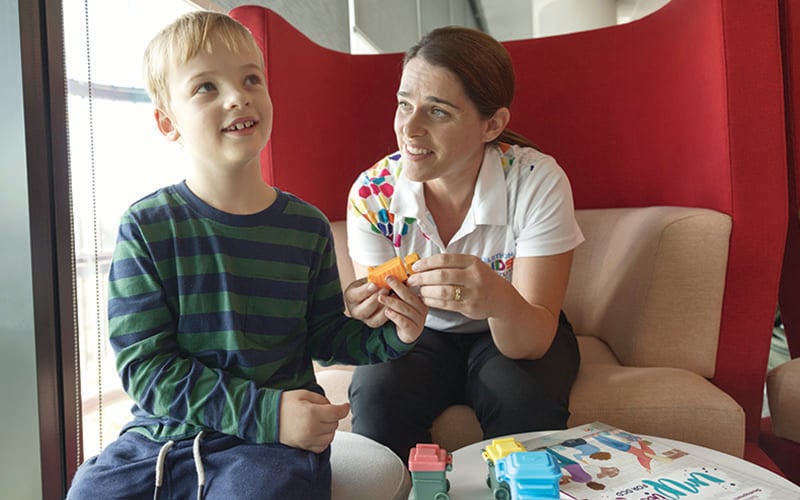
Meet Toby - he has developmental coordination disorder (DCD), a neurodevelopmental condition that causes delays and impairments in fine and gross motor skills.

Despite respiratory syncytial virus (RSV) being the leading cause of hospitalisations in the first year of life, there is currently no routine preventative option for otherwise healthy babies.
The potential for human-computer interaction to have a substantial impact on adults is well documented. However, its potential importance prior to birth has rarely been reported. Parental use of smartphones and tablet computers could influence the relationship between parent and baby during pregnancy (prenatal attachment) and thus child development.
This study investigated the potential of using SARS-CoV-2 viral Increasing young people's physical activity, along with their motivation and confidence to be active, is widely advocated for supporting desirable health outcomes. Trans and gender diverse (henceforth; trans) young people experience significant physical activity-related barriers compared to cisgender (i.e., an individual for whom gender identity and sex presumed at birth are in alignment) peers.