
Search
Showing results for "Childhood interstitial lung disease "
The Western Australian Epithelial Research Program (WAERP) biobank is undertaking a number of research projects intended to improve the understanding and preclinical assessment of therapeutics for respiratory conditions.
Human rhinovirus infection delays repair and inhibits apoptotic processes in epithelial cells from non-asthmatic and asthmatic children
This article looks at the clinical implications of the research into microbial exposure & protection against asthma.
This paper is an editorial comment by Professor Patrick Holt on the potential for developing early intervention strategies in children with allergies and asthma
Early immunological influences on asthma development: opportunities for early intervention
The developing immune system and allergy
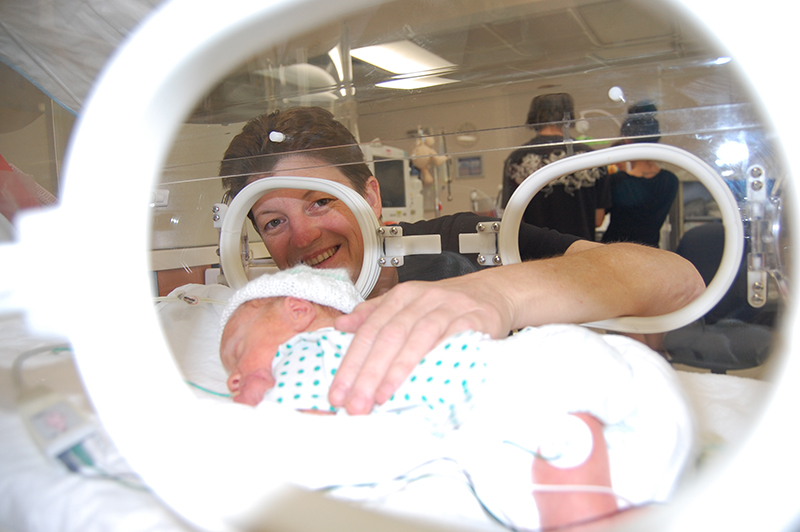
The Chronobiology team works to understand the factors that contribute to poor lung and heart function in newborn infants and find ways to prevent heart and lung disease.
Anthony Kicic BSc (Hons) PhD Head, Airway Epithelial Research; WA Cystic Fibrosis Research Collaborative Program Fellowship; Stan Perron Charitable
Electronic cigarettes (e-cigarettes) are often perceived to be safer than smoking, which has led to some women switching to e-cigarettes during pregnancy. However, the effects of switching from smoking to e-cigarettes on both pregnancy outcomes and the foetus are largely unknown. This study aimed to investigate the effects of switching from tobacco smoking to e-cigarette use in very early pregnancy on birth outcomes, neurodevelopment and behaviour of the offspring.
Epidemiological studies indicate that exposure to diesel exhaust (DE) is associated with vascular-based disorders.