
Search
Showing results for "clinical trials"
The current study provides preliminary evidence that machine learning algorithms provide equivalent predictive accuracy to traditional methods for language difficulties in middle childhood
The Guideline aims to create greater consistency in diagnostic practices across the country to ensure individuals on the autism spectrum can receive the optimal care
ASD's are complex, pervasive and heterogeneous neurodevelopmental conditions with varying conditions, trajectories, significant male bias and unknown etiology.
The Skin Health Situational Analysis was conducted in 2017 with and for stakeholders in the Kimberley region as a precursor to the SToP Trial to highlight all that was already known prior to commencement in 2018. It was completed to be a resource for communities in the Kimberley who would like to de
Describe the ear and hearing outcomes in Aboriginal infants in an Australian urban area. Aboriginal infants enrolled in the Djaalinj Waakinj prospective cohort study had ear health screenings at ages 2-4, 6-8 and 12-18 months and audiological assessment at ∼12 months of age. Sociodemographic, environmental characteristics, otoscopy, otoacoustic emissions, tympanometry and visual reinforcement audiometry data were collected.
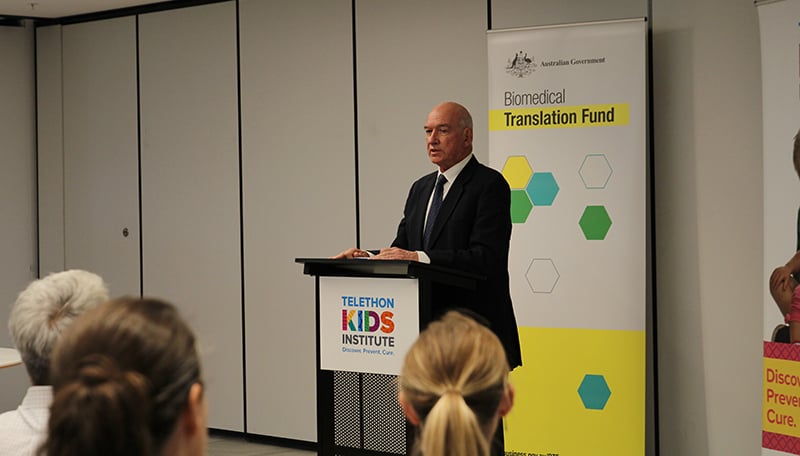
A The Kids Research Institute Australia spin-off company has received $20 million from the Medical Research Commercialisation Fund to develop a promising new therapy for the treatment of Cystic Fibrosis.

Three outstanding The Kids Research Institute Australia researchers have been named finalists in the 2016 Premier's Science Awards
Congenital cytomegalovirus (cCMV) is a common infection at birth with the potential to cause significant and permanent morbidity, most commonly hearing loss. Targeted cCMV testing programmes use hearing loss as an indicator of an infant being at high risk of the infection and thereby can 'target' or focus testing on those at greatest risk. Australian and International guidelines recommend that high-risk infants be offered cCMV testing, yet across Australia, a formal testing system does not exist.
Primary prevention of acute rheumatic fever (ARF) and rheumatic heart disease (RHD) encompasses the timely diagnosis and adequate treatment of the superficial group A Streptococcus (GAS) infections pharyngitis and impetigo. GAS is the only known inciting agent in the pathophysiology of the disease.
Satisfactory content validity is reported, where ongoing consumer feedback shaped the dataset from which the final items were selected