
Search
Showing results for "mental health aboriginal"
The Kids Research Institute Australia has been commissioned to investigate outcomes for children who have left out-of-home care and are currently 25 years of age.
Language is one of the most remarkable developmental accomplishments of early childhood. Language connects us with others and is an essential tool for literacy, education, employment and lifelong learning.
To improve adolescent health measurement, the Global Action for the Measurement of Adolescent health (GAMA) Advisory Group was formed in 2018 and published a draft list of 52 indicators across six adolescent health domains in 2022. We describe the process and results of selecting the adolescent health indicators recommended by GAMA (hereafter, “GAMA-recommended indicators”).
Young adults, aged 18-24 years, are currently experiencing the highest rates of mental health challenges relative to the general population.
Rheumatic heart disease (RHD) is the most important cause of acquired cardiovascular disease in children and young adults. Virtually non-existent in most of Australia, it still predominantly affects Aboriginal communities.

ORIGINS is Australia's largest longitudinal cohort study of its kind. Following 10,000 WA children from their time in the womb into early childhood, ORIGINS researchers are working to better understand when and why non-communicable diseases develop, and provide solutions for early intervention to ensure every child and family flourishes throughout their lifetime.

This study aims to increase knowledge about the nature, extent and impact of removals, repeat removals and entries of new babies into the care system.
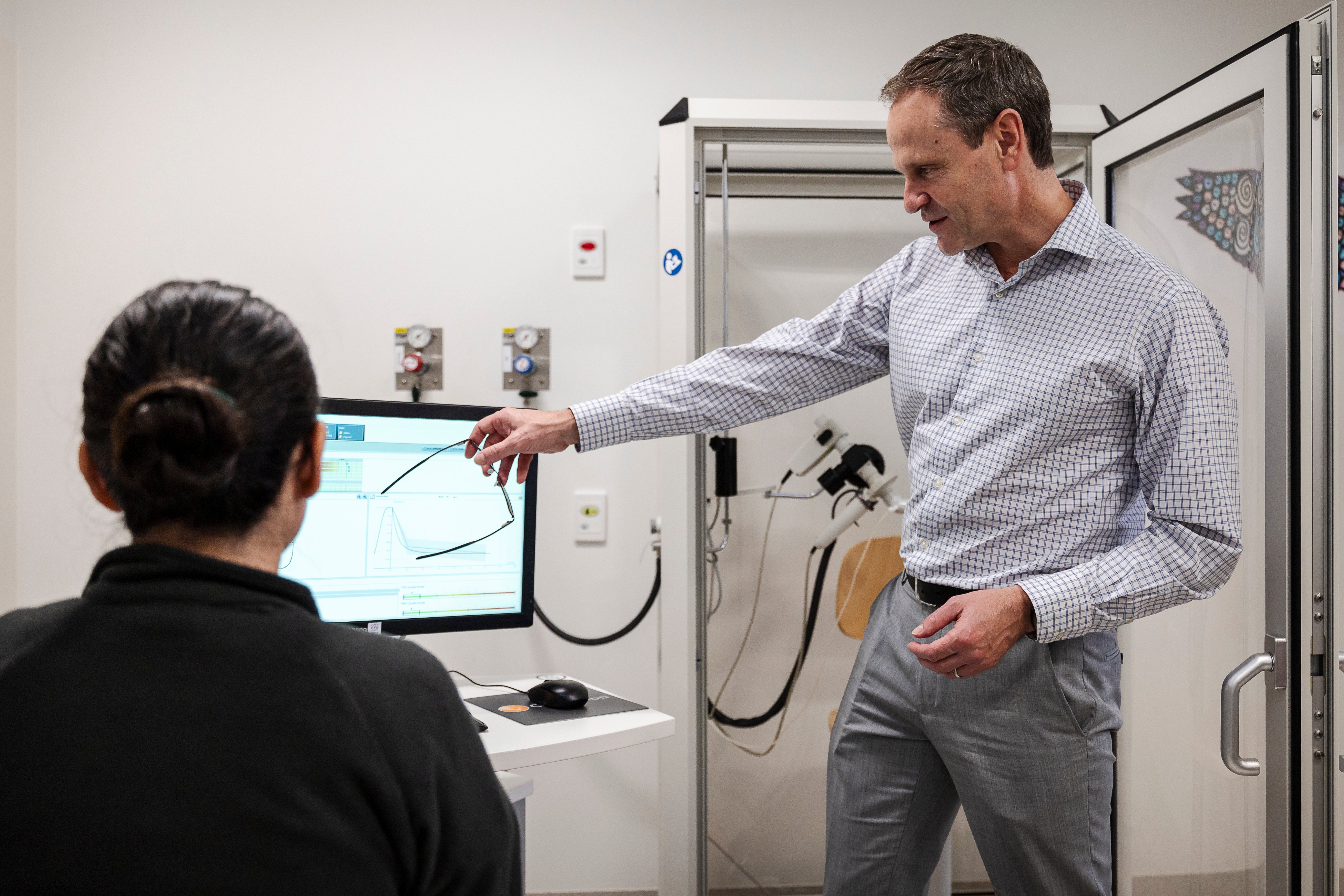
A new paper published in Frontiers in Pediatrics offers clinicians a practical roadmap to improve healthcare outcomes for Indigenous children, starting with respect, communication, and cultural understanding.
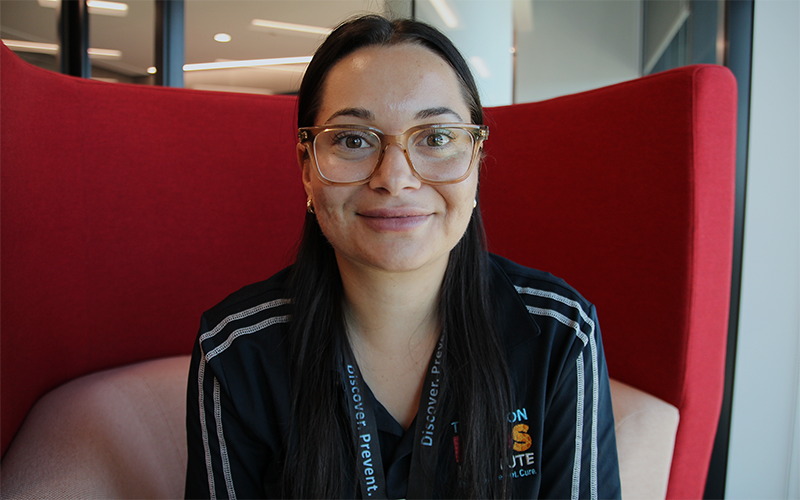
Jacinta Walton is a bright and energetic powerhouse and proud Noongar woman who joined The Kids in 2019, and was recently named a STARS Award recipient.
This article discusses the World Health Organization program for monitoring & managing rheumatic heart disease.