

the risk of a broad range of diseases, including asthma, allergies, mental health and neurodevelopmental
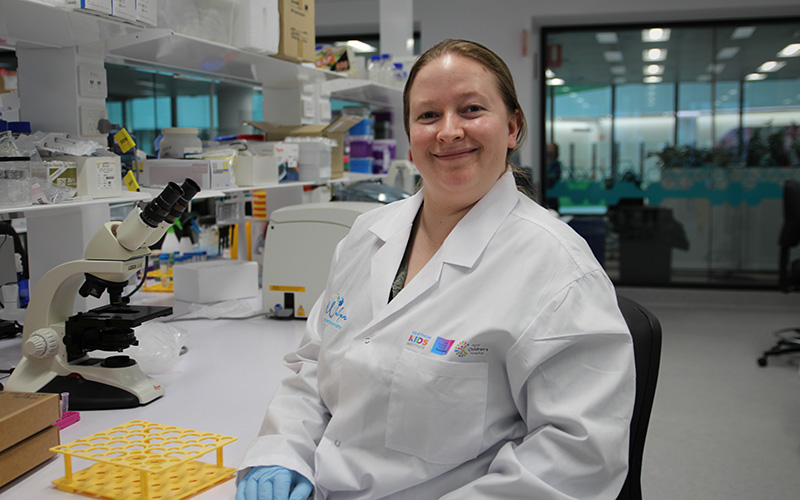
Wal-yan Respiratory Research Centre PhD candidate Katherine Landwehr is researching the impact of breathing in biodiesel exhaust fumes on the lungs.
medicine 5.1 (2020): 1-11. Anderson, D., Baynam, G., Blackwell, J. M., & Lassmann, T ... Belmont J, Dunwoodie SL, Jojic N, Lassmann T, Mackay D. "A d…
Multi-jurisdictional cohort of mother-infant pairs to measure the uptake, safety and effectiveness of antenatal IIV and dTpa vaccines in three Austra…
The mutant Der p 2 had altered structure and reduced ability to stimulate pro-inflammatory responses and to bind IgE
A, Leonard H, Williams SR, Smith RL, Cloosterman D, Christodoulou J. Delineation of large deletions of
These findings suggest an urgent need for multisectoral primary prevention of traumatic brain injury
Epstein A, Leonard H, Davis E, Williams K, Reddihough D, Murphy N, Whitehouse A, Downs J. Conceptualizing
Skin concerns are frequent among urban-living Aboriginal children, yet specialist dermatology consultations are limited with studies highlighting the…
Echocardiographic screening for rheumatic heart disease is cost-effective in our context