
Search
Showing results for "preterm birth lungs"
Differences in pneumococcal serotypes, genotypes, and antimicrobial susceptibility between Aboriginal and non-Aboriginal children living in the same area
Findings from this study indicate that even in the absence of stroke, being at high polygenic risk of ischemic stroke is associated with lower cognitive ability
Aboriginal and Torres Strait Islander ways of knowing, being and doing have fostered physical, social, and emotional wellbeing for millenia, forming a foundation of strength and resilience. However, colonisation, systemic violence and discrimination—including the forced removal of Aboriginal and Torres Strait Islander children, which continues today—have disrupted this foundation, leading to compounding cycles of intergenerational and complex trauma.
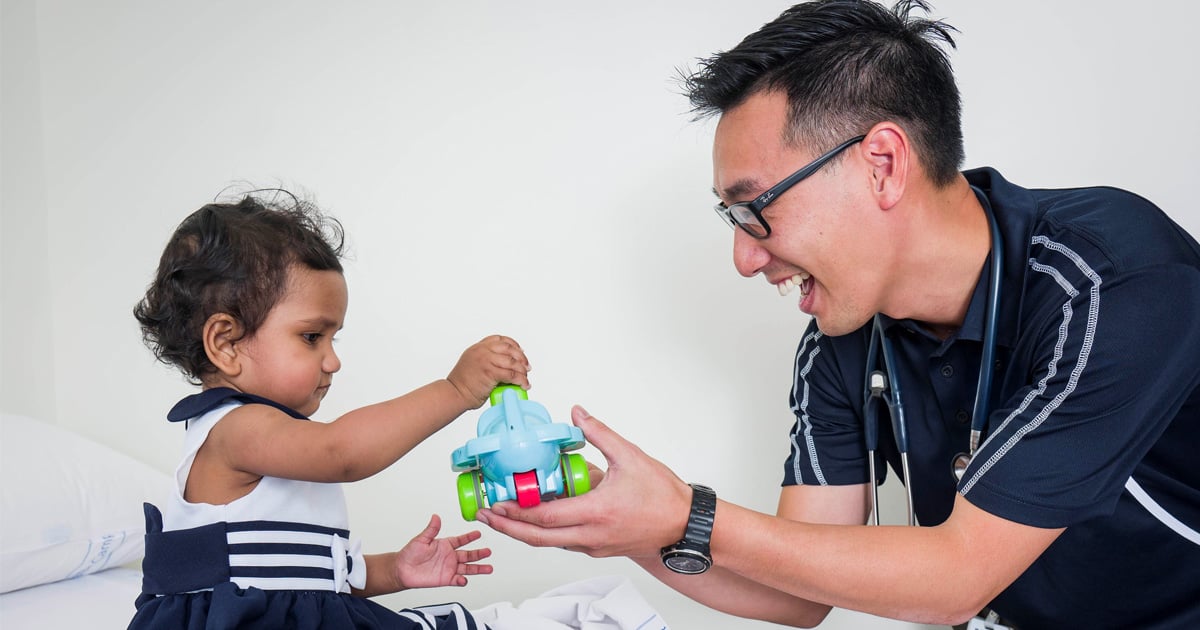
A third of Western Australian one-year-olds and up to two thirds of three-year-olds have low iron, a study by The Kids Research Institute Australia has found.
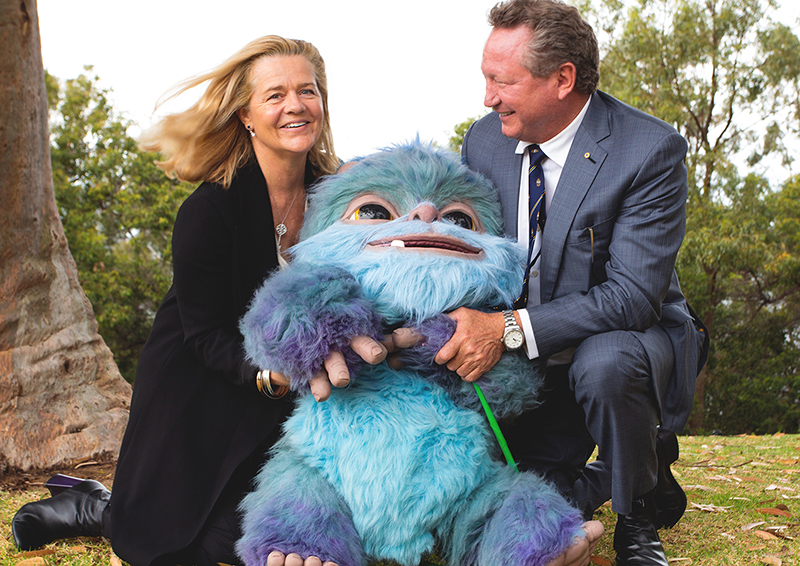
A national campaign launched on Channel 7’s Telethon aims to build community understanding of the amazing untapped potential of a baby’s developing brain, through a remarkable animated creature.
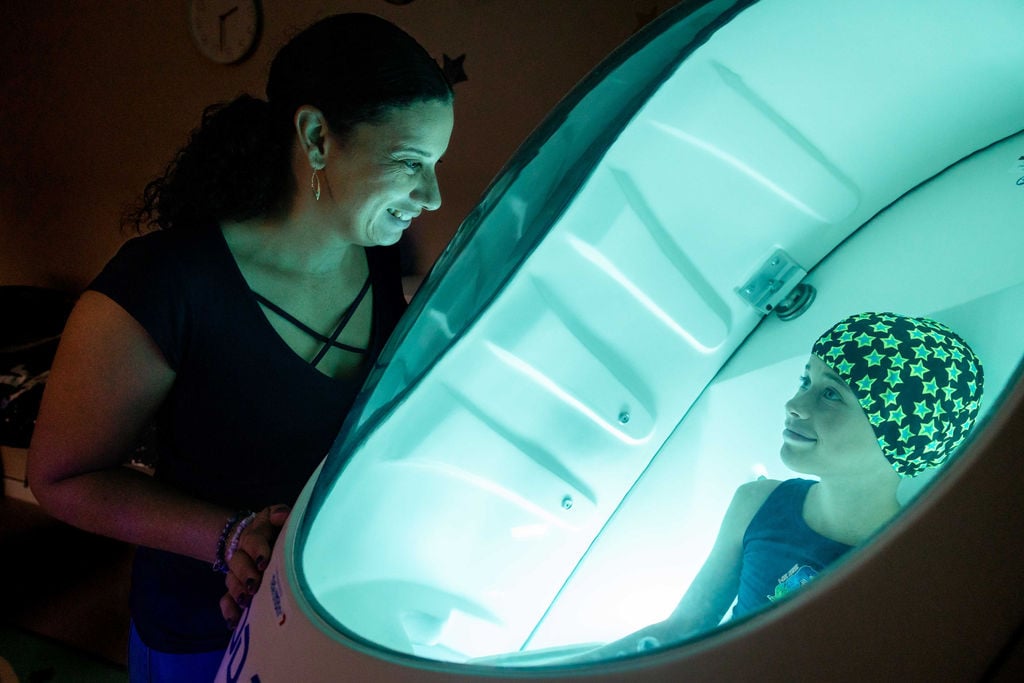
This research domain focuses on understanding how early biological and physical factors shape infant growth, body composition, and neurodevelopment from the earliest stages of life.
General movements (GMs) are part of the spontaneous movement repertoire and are present from early fetal life onwards up to age five months. GMs are connected to infants' neurological development and can be qualitatively assessed via the General Movement Assessment. In particular, between the age of three to five months, typically developing infants produce fidgety movements and their absence provides strong evidence for the presence of cerebral palsy.
Recent interest in the diverse ecosystem of bacteria, fungi, parasites, and viruses that make up the skin microbiome has led to several studies investigating the microbiome in healthy skin and in a variety of dermatological conditions.
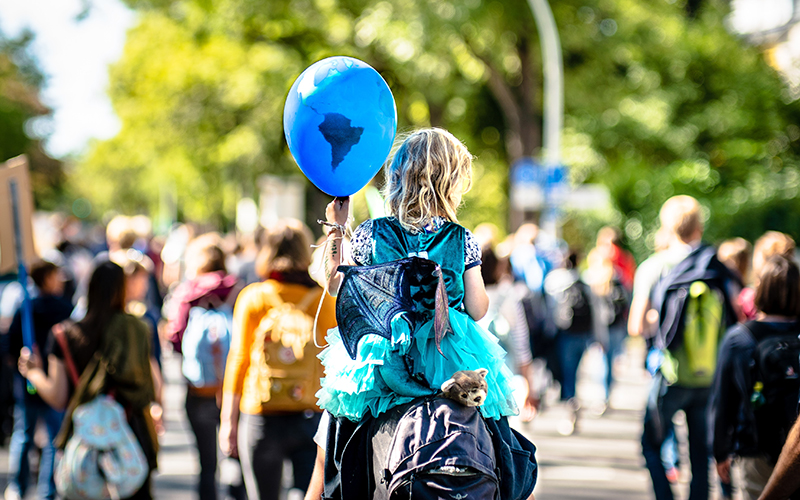
The Kids Research Institute Australia supports calls from the Intergovernmental Panel on Climate Change (IPCC) for transformational action if we are to secure a liveable future.
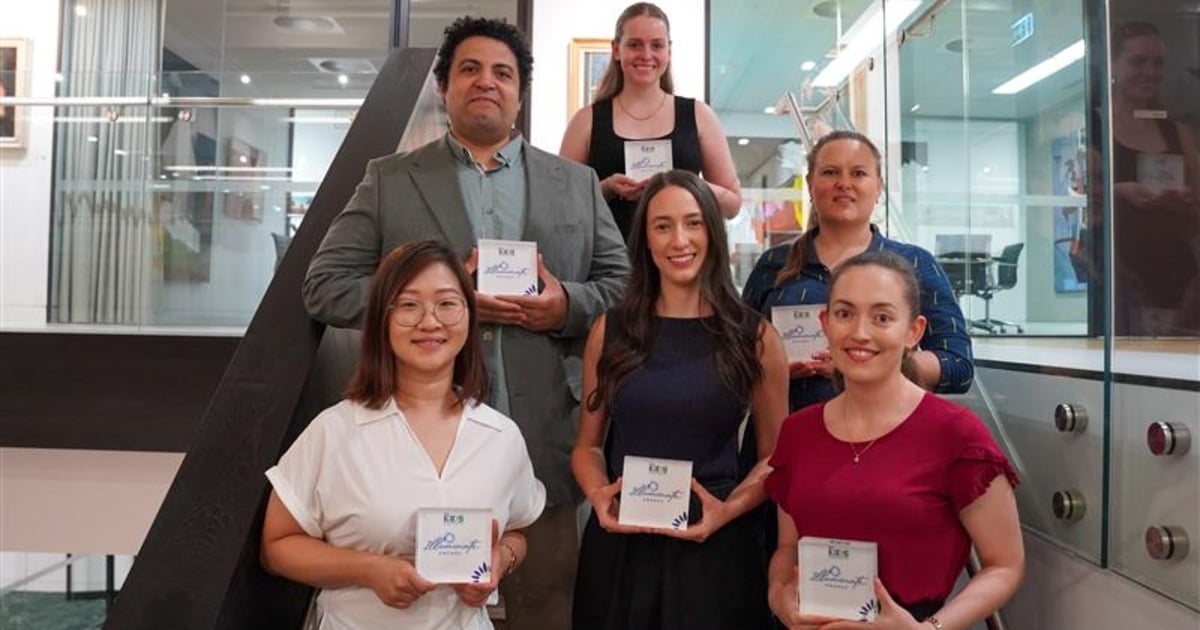
Ten emerging researchers took to the stage for our fourth Illuminate PitchFest, where community support helped push the total raised for Illuminate Awards past $1 million.