
Search
Showing results for "Childhood interstitial lung disease "
Expression of bronchodilator response using forced oscillation technique measurements: absolute versus relative
Forced oscillation technique
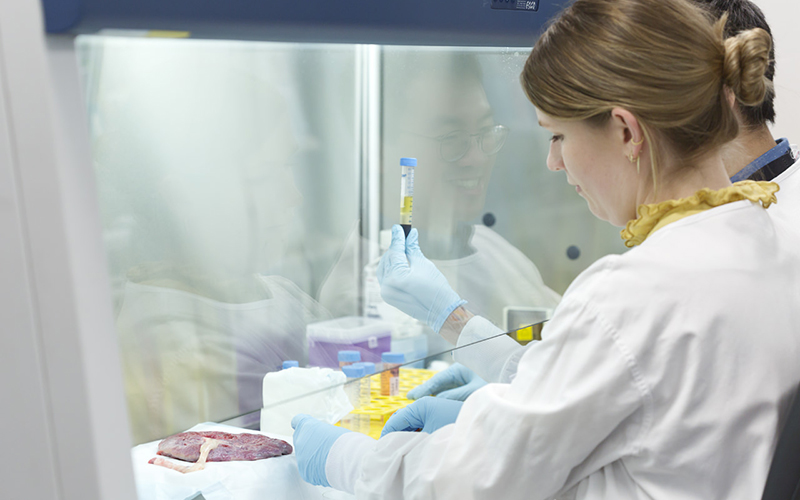
Four The Kids Research Institute Australia-based biobanks which underpin a range of cancer, respiratory and early life research have received more than $450,000 in funding.
In this article, the Group Chairs of the Paediatric Assembly of the European Respiratory Society (ERS) highlight some of the most interesting abstracts presented at the 2016 ERS International Congress, which was held in London.
Highlight of some of the most interesting abstracts presented at the 2016 ERS International Congress, which was held in London
This letter addresses the recommendations by the American Thoracic Society & European Respiratory Society in 2005, that patients must wait 15-60mins between...
Playing a wind or brass (W/B) instrument is considered a strenuous activity for the respiratory system.
We have multiple positions available in child health research in the areas of asthma, cystic fibrosis, Aboriginal health and following preterm birth.
Preterm birth (PTB) and stillbirth remain two of the most important causes of death, morbidity, and disability in childhood. Despite efforts to reduce PTB and stillbirth worldwide, rates of these adverse outcomes remain persistently elevated, independent of income setting. There is an urgent need for more effective interventions to reduce associated neonatal and early childhood morbidity and mortality.
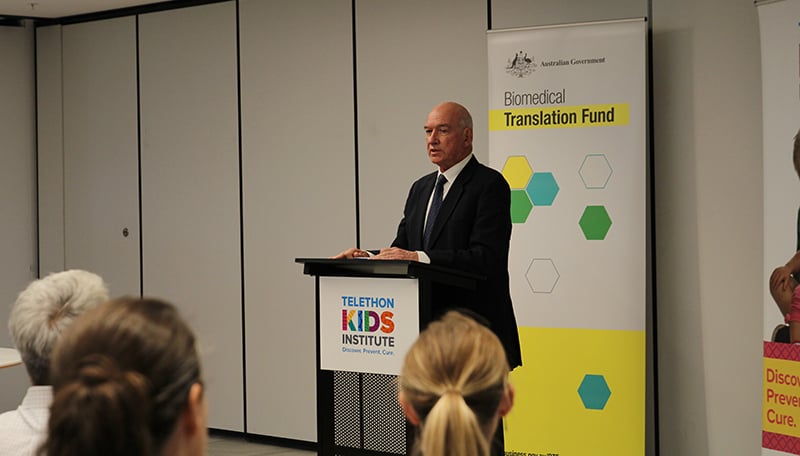
A The Kids Research Institute Australia spin-off company has received $20 million from the Medical Research Commercialisation Fund to develop a promising new therapy for the treatment of Cystic Fibrosis.