
Search
Showing results for "early lung health"
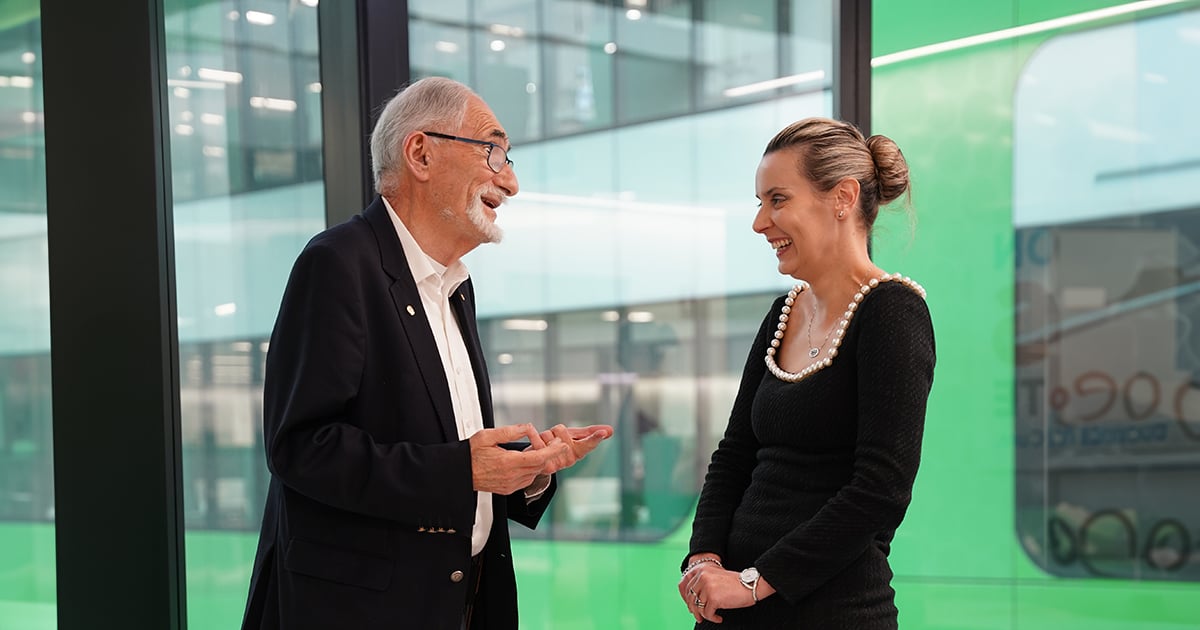
Professor Aleksandra Filipovska has been appointed as the inaugural Louis Landau Chair of Child Health Research.
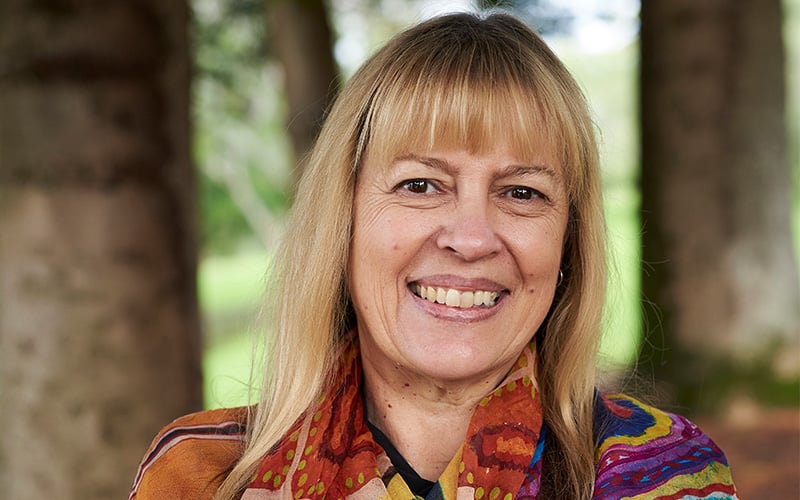
Pioneering Aboriginal psychiatrist, mental health champion and Western Australia’s 2021 Australian of the Year Professor Helen Milroy is among 10 ‘everyday Australians’ who will accompany Prime Minister Anthony Albanese and Governor General David Hurley to the funeral of the late Queen Elizabeth II.

A project, lead by Aboriginal and Aboriginal LGBTQA+ researchers examining the mental health of young Aboriginal and Torres Strait Islander LGBTQA+ people, is launching a nation-wide survey, to help drive meaningful change for the community.
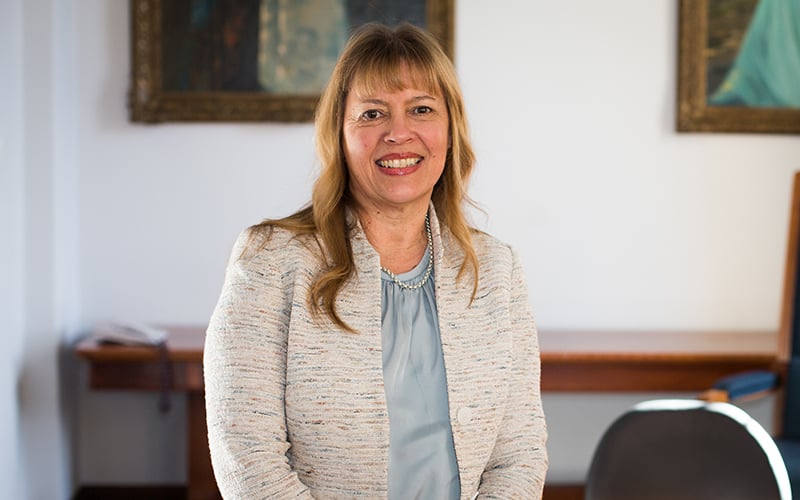
Congratulations to trailblazing mental health researcher Professor Helen Milroy, who has been announced as a finalist for the 2021 Human Rights Medal.
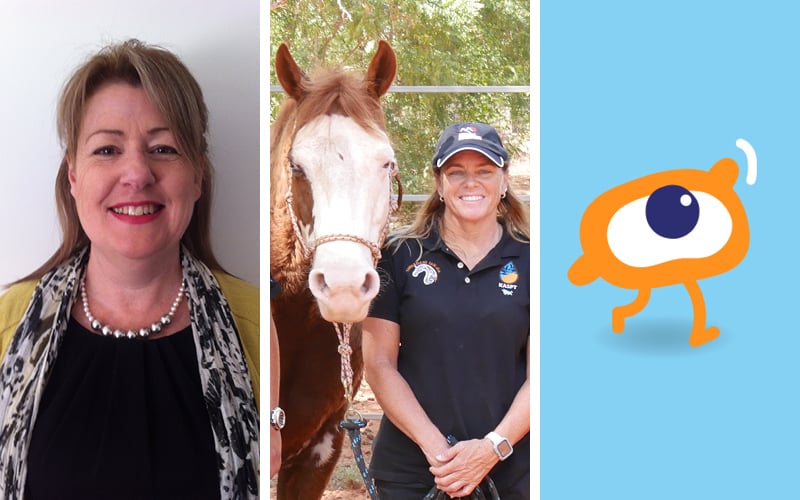
Two The Kids Research Institute Australia researchers and two significant The Kids-led initiatives aimed at improving the mental health of young people
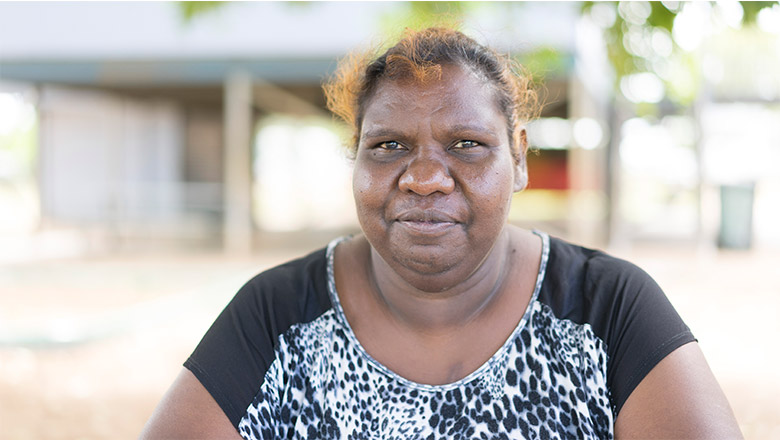
Aboriginal women in Western Australia's Kimberley region will be become qualified as community health researchers thanks to a grant awarded to The Kids.

We have launched a national survey to investigate how we can better support young people who don't identify as the gender they were assigned at birth.
We know that sport, when the appropriate environment is provided, can be an enriching experience for children – with many physical and mental health benefits.
Yael Penelope Helen Perry Strauss Morgan BPsych (Hons) MPsych (Clin) PhD BA, MPH, PhD BA (Hons), Doctor of Psychology Head, Youth Mental Health
Some studies indicate siblings of transgender (trans) and gender diverse young people often experience negative mental health impacts such as anxiety and depression due to complicated familial, individual and social factors associated with having a trans sibling.