
Search
Showing results for "Childhood interstitial lung disease "
This study developed and tested a highly usable, and moderately acceptable, smartphone app to improve the psychosocial health of young people living with CF
This study aimed to determine whether breathing 100% oxygen altered tidal breathing parameters in healthy young children and young children with CF.
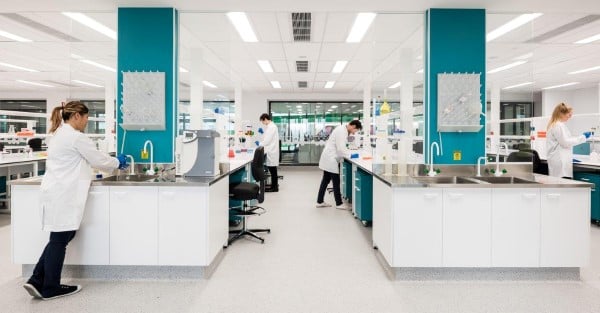
The Kids has a range of specialised expertise, tools, platforms and technology to undertake cutting-edge science.
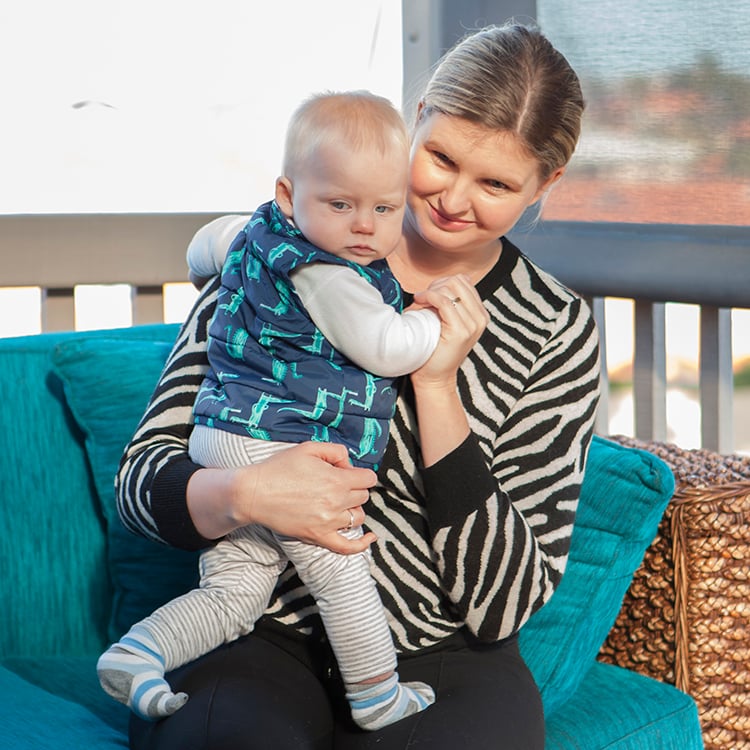
Epigenomic research at The Kids explores the links between childhood disease and the molecular hallmarks of epigenetic control.
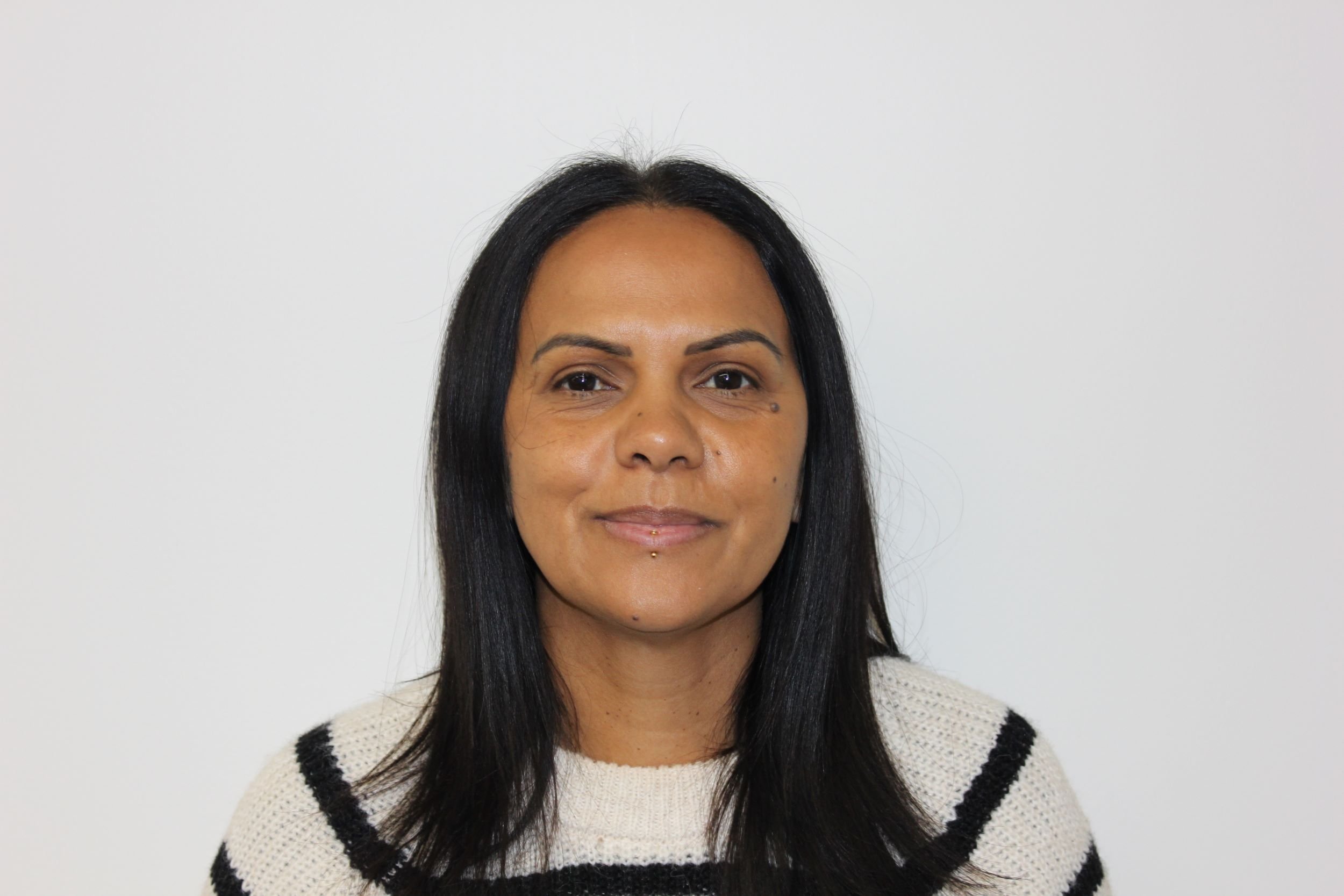
Liz Wilkes is a Noongar woman with family connections to the Wadjuk and Ballardong tribes. She has a background in nursing and a passion for Aboriginal health and community engagement.
In this study we will use new methods to comprehensively test immune responses in blood samples from people with ARF (diagnosed using the Jones Criteria) and healthy volunteers at Royal Darwin and from Auckland Hospital, New Zealand, to find any unique signature that reliably identifies ARF.
Non-invasive techniques for measuring lung mechanics in infants are needed for a better understanding of lung growth and function...
Perioperative respiratory adverse events pose a significant risk in pediatric anesthesia, and identifying these risks is vital. Traditionally, this is assessed using history and examination. However, the perioperative risk is multifactorial, and children with complex medical backgrounds such as chronic lung disease or obesity may benefit from additional objective preoperative pulmonary function tests.
Dr Anthony Bosco, Professor Steve Stick, Professor Andrew Whitehouse, Dr Raelene Endersby and Dr Luke Garratt know how fortunate they are to have
Dr Anthony Bosco, Professor Steve Stick, Professor Andrew Whitehouse, Dr Raelene Endersby and Dr Luke Garratt know how fortunate they are to have