
Search
Showing results for "preterm birth lungs"

Dr Kelli MacMillan and Embracing the Mind host Dr Alix Woolard discussing childbirth trauma.
Birth order effects have been linked to variability in intelligence, educational attainment and sexual orientation. First- and later-born children have been linked to an increased likelihood of an Autism Spectrum Disorder (ASD) diagnosis, with a smaller body of evidence implicating decreases in cognitive functioning with increased birth order. The present study investigated the potential association between birth order and ASD diagnostic phenotypes in a large and representative population sample.
Non-communicable diseases (NCDs) pose the greatest threat to human health globally. The dramatic rise in early onset NCDs - such as childhood obesity, the allergy epidemic and an increasing burden of mental ill health in children and youth - reflect the profound early impact of modern environments on developing systems.
The object of this work was to estimate the prevalence of major birth defects diagnosed by 6 years of age in all births and terminations of pregnancy for...

Professor Carol Bower has received the prestigious ICBDSR Distinguished Service Award for her work on birth defects - a career that spans 35 years.
The goal was to examine the associations between dose, pattern, and timing of prenatal alcohol exposure (PAE) and birth defects.
Desiree Dr Jackie Susan Lisa Zenobia Silva Davis Prescott Gibson Talati MBBS, FRACP, MPH, PhD BSc (Hons), PGradDipHlthProm, PhD MBBS BMedSci PhD
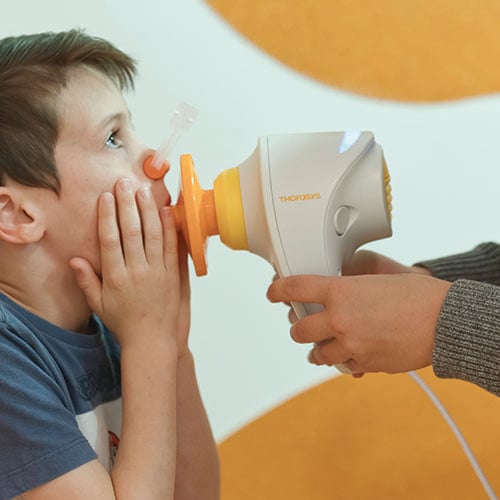
A new study is helping to identify treatment options to improve the lung function of premature babies, after it was determined survivors of preterm birth were at risk of declining lung health.
Data linkage of population administrative data is being investigated as a tool for pharmacovigilance in pregnancy in Australia.
Bronchopulmonary dysplasia (BPD) remains the most common complication of preterm birth with lifelong consequences. Multiple BPD definitions are currently used in daily practice. Uniformity in defining BPD is important for clinical care, research and benchmarking. The aim of this Delphi procedure is to determine what clinicians and researchers consider the key features for defining BPD.