
Search
Showing results for "mental health aboriginal"
Rheumatic heart disease remains a major public health challenge in Ethiopia, particularly among children. Monthly intramuscular benzathine penicillin G is the cornerstone of secondary prophylaxis, yet adherence and delivery are suboptimal. This study explores the lived experiences of children and adolescents with RHD, capturing their direct voices and those of their caregivers to understand determinants of secondary prophylaxis uptake.
Evidence suggests consumption of a Mediterranean diet (MD) can positively impact both maternal and offspring health, potentially mediated by a beneficial effect on inflammatory pathways. We aimed to apply metabolic profiling of serum and urine samples to assess differences between women who were stratified into high and low alignment to a MD throughout pregnancy and investigate the relationship of the diet to inflammatory markers.

Senior Research Fellow
Integrating First Nations knowledge systems and Western research methodologies recognizes the strength, experience, and insight of First Nations peoples in addressing health issues in their communities. In research, this includes projects being led by First Nations Elders and peoples, including First Nations researchers in the team, and collecting data in ways that reflect First Nations ways of knowing, being, and doing.
Cystic fibrosis (CF) is a rare, inherited, life-limiting condition predominantly affecting the lungs, for which there is no cure. The disease is characterized by recurrent pulmonary exacerbations (PEx), which are thought to drive progressive lung damage. Management of these episodes is complex and generally involves multiple interventions targeting different aspects of disease. The emergence of innovative trials and use of Bayesian statistical methods has created renewed opportunities for studying heterogeneous populations in rare diseases.
The EQ-5D-5L is a generic health utility instrument for measuring health-related quality of life (HRQoL), with self-report and proxy report versions for children (EQ-5D-Y-5L). Children with intellectual disability (ID) are a heterogeneous population whose impairments and comorbidities place them at risk of poor HRQoL. This study aimed to describe the content validity and suitability for children with ID of a proxy report version of the EQ-5D-Y-5L as seen by their caregivers.
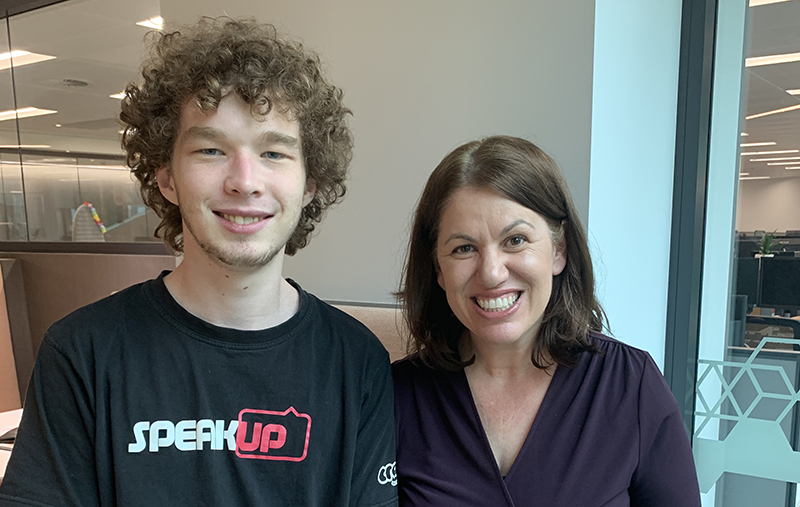
A The Kids report which found young people leaving foster care are in desperate need of more help transitioning to adulthood has lent strength to a national push to extend formal support to the age of 21.
Our skin, the body’s largest organ, protects us and maintains overall health. Untreated recurring skin infections like impetigo and scabies severely impact children. The Kids is at the forefront of combatting skin infections, particularly within remote Aboriginal communities experiencing some of the world’s highest rates.
On this Research Impact page, we showcase real game-changers - research that changes the very way other scientists around the world think and approach challenges. The far-reaching impact on children and families for all the stories shown on these pages is both exciting and significant.
Senior Research Officer