
Search
Showing results for "Childhood interstitial lung disease "
The legacy of Wittenoom has extended beyond the mine and the town, and is still evident more than 50 years after the closure of the mine
Australia commenced administration of the Spikevax (Moderna mRNA-1273) COVID-19 vaccine in August 2021 and Nuvaxovid (Novavax NVX-CoV2373) in January 2022. This study describes the short-term safety profile of priming doses of the Spikevax and Nuvaxovid vaccines given between September 2021 and September 2023.
Despite universal access to government-funded direct-acting antivirals in 2016, the rate of hepatitis C treatment uptake in Australia has declined substantially. Most hepatitis C is related to injecting drug use; reducing the hepatitis C burden among people who inject drugs is, therefore, paramount to reach hepatitis C elimination targets.
In the absence of an established gold standard, an understanding of the testing cycle from individual exposure to test outcome report is required to guide the correct interpretation of SARS-CoV-2 reverse transcriptase real-time polymerase chain reaction (RT-PCR) results and optimise the testing processes.
A widespread G2P[4] rotavirus epidemic in rural and remote Australia provided an opportunity to evaluate the performance of Rotarix and RotaTeq rotavirus vaccines, ten years after their incorporation into Australia's National Immunisation Program.
Tom Snelling BMBS DTMH GDipClinEpid PhD FRACP Head, Infectious Disease Implementation Research 08 6319 1817 tom.snelling@thekids.org.au Head,
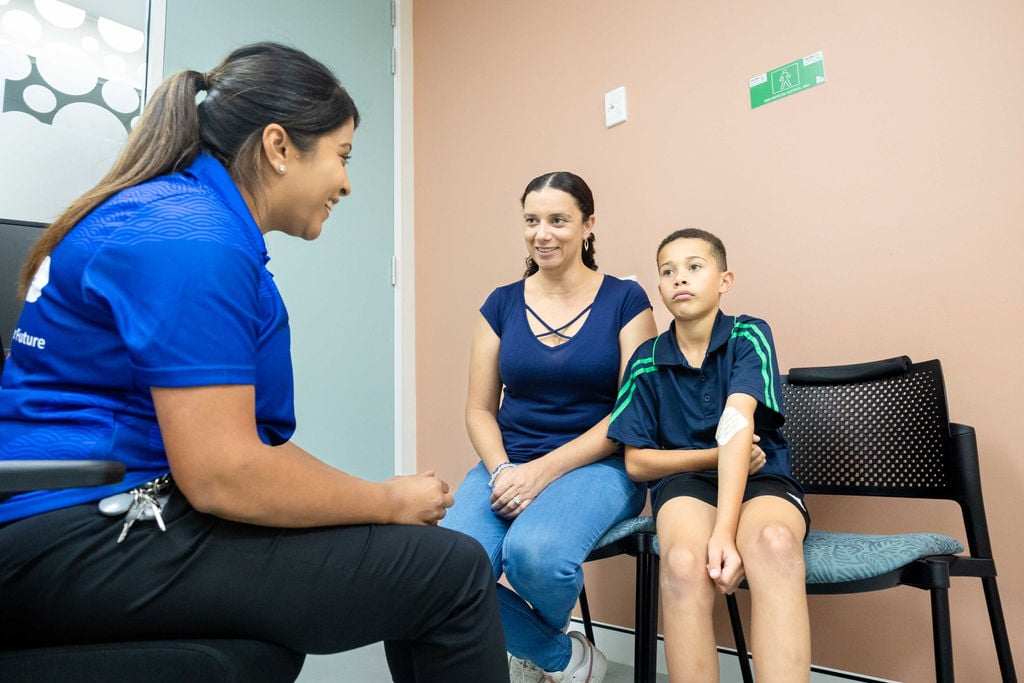
ORIGINS has several sub-projects exploring allergy development within the cohort, with a focus on respiratory conditions such as asthma and nutritional strategies for allergy prevention.
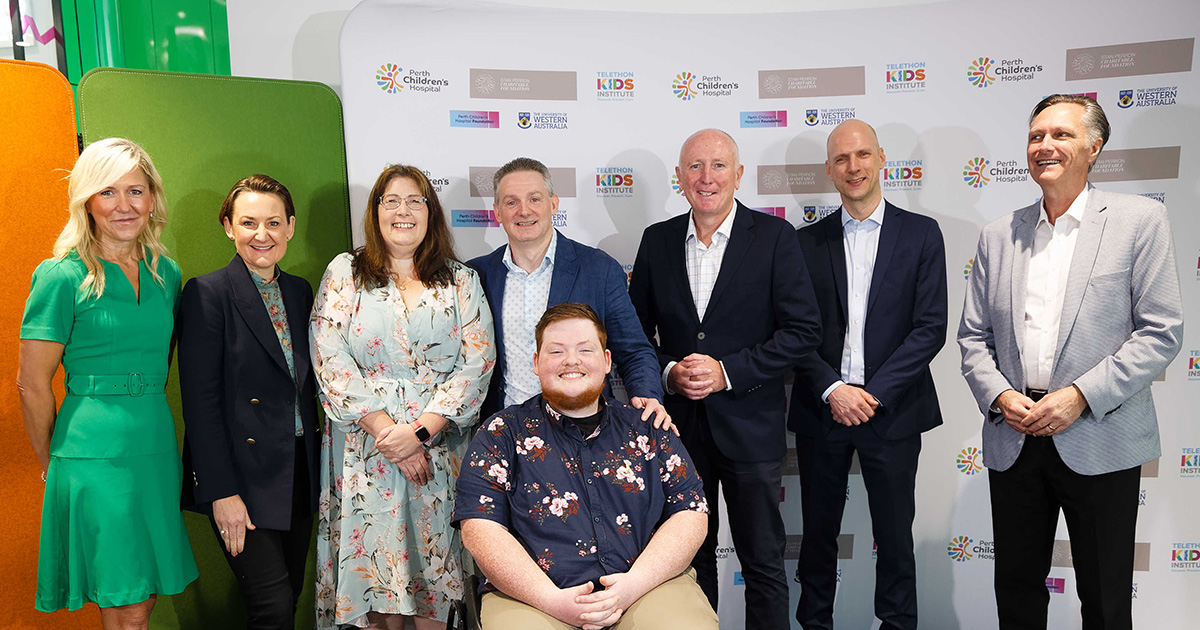
One of WA’s biggest ever philanthropic gifts will transform childhood cancer research and treatment by improving outcomes for children with cancer and discovering more effective and less toxic treatments.
Mannitol challenge tests are used clinically to diagnose asthma and, in particular, exercise-induced broncoconstriction (EIB) in adults and children above 6...
Using prospective data from the Western Australian Pregnancy Cohort (Raine) Study, we investigated vitamin D status and predictors of serum 25-hydroxyvitamin...