
Search
Showing results for "mental health aboriginal"
WHO, as requested by its member states, launched the Expanded Programme on Immunization (EPI) in 1974 to make life-saving vaccines available to all globally. To mark the 50-year anniversary of EPI, we sought to quantify the public health impact of vaccination globally since the programme's inception.
Young people must be central to health response design to ensure they are relevant and effective. It requires a clearer understanding of the opportunities and expectations surrounding youth engagement. Therefore, this study aims to gain a deeper understanding of the health priorities of young adults residing in South Australia and their engagement in the design of health programmes.
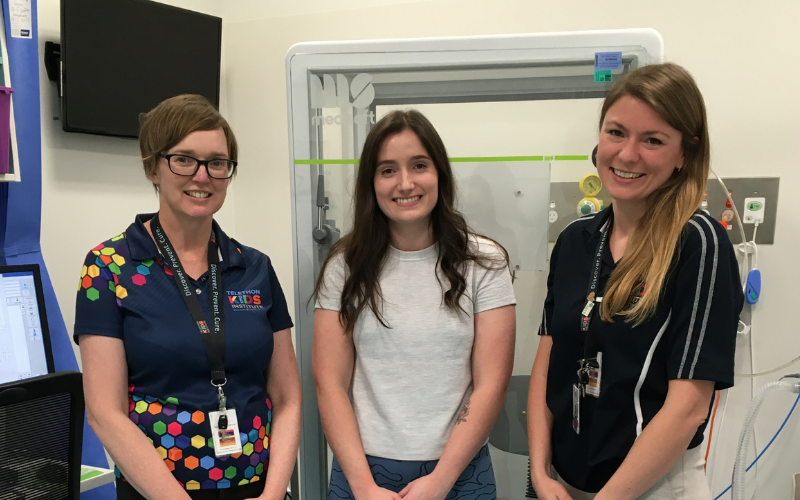
A study which set out to determine ways to predict the long-term lung health of young adults born very preterm has shown that a childhood history of respiratory hospital admission should be a key consideration in the management of preterm children and adults.
The Asia Pacific region is home to more than half of the world's 1·93 billion adolescents (aged 10-24 years). Addressing adolescent health in this region is of global importance, but to date a systematic analysis of key contributors to disease in adolescents has not been done, which is a barrier to responsive action.
In the 1990s pneumonia hospitalisation rates in Western Australia (WA) were 13 times higher in Indigenous children than in non-Indigenous children...
Asha Jacinta Bernadette Bowen Walton Ricciardo BA MBBS DCH FRACP PhD GAICD FAHMS OAM MBBS (hon) DCH FACD Head, Healthy Skin and ARF Prevention
Desiree Silva MBBS, FRACP, MPH, PhD Co-Director, ORIGINS desiree.silva@thekids.org.au Co-Head, The ORIGINS Project Professor Desiree Silva is
Probiotic supplementation in the neonatal period results in improved gut colonisation with probiotic bacteria in the short term. There is limited information on the long-term sustainability of this colonisation.
Communications Specialist
Desiree Silva MBBS, FRACP, MPH, PhD Co-Director, ORIGINS desiree.silva@thekids.org.au Co-Head, The ORIGINS Project Professor Desiree Silva is