
Australia needs a single national pharyngitis guideline to assist in providing rational, consistent and timely antibiotic treatment to patients at hi…
The Indigenous peoples of Australia have a rich linguistic and cultural history. How this relates to genetic diversity remains largely unknown becaus…
Difference in stillbirth and neonatal death rates in Western Australia (1998-2010) by maternal ethnicity
Addressing the recognized challenges and inequalities in providing high quality healthcare for rare diseases such as children's interstitial lung dis…
In 2020, school and early childhood educational centre (ECEC) closures affected over 1.5 billion school-aged children globally as part of the COVID-1…
Young people who are overweight/obese are more likely to display expFL during submaximal exercise compared with children of healthy weight.

mothers). Consistent with existing evidence, Aboriginal mothers were over-represented (58.5% of admissions ... admissions than non-Aboriginal mothers…
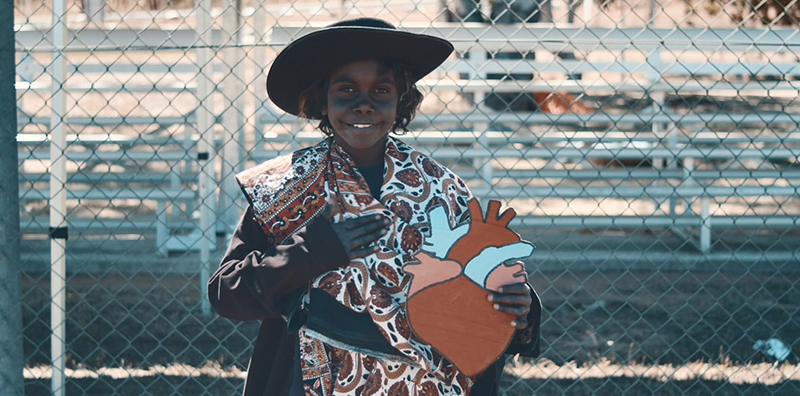
Boom’. Written for kids, by kids from the remote Aboriginal community of Barunga, the song aims to teach ... throughout communities at high risk of R…

>James Hill, is a finalist for the Shell Aboriginal STEM Student of the Year. A Ngarrindjeri ... diverse young people. He is the first Aboriginal man…

with advocates in chronic disease, disability, Aboriginal and Torres Strait Islander health, infectious ... researchers, clinicians, policymakers, fu…