
Search
Showing results for "e-cigarettes"
Melissa Fiona Helen Rebecca Peter O'Donnell Stanley Leonard Glauert Jacoby BPsych (Hons), MPsych, GradDip Ed, PhD FAA FASSA MSc MD FFPHM FAFPHM FRACP
Amy Andrew Helen Jenny Martyn Melissa Videos Finlay-Jones Whitehouse Watch and listen to Andrew Leonard Downs Symons Licari BPsych(Hons), MPsych(

We know it isn't always easy to sneak meat and vegetables into fussy kids' diets - so we've compiled our favourite iron-rich recipes your kids will be begging you to make again!
Scientific Launch Speakers Professor Liz Davis @ProfLizDavis @CDCTelethonKids Professor Davis is the Co-Director of the JDRF Global Centre of
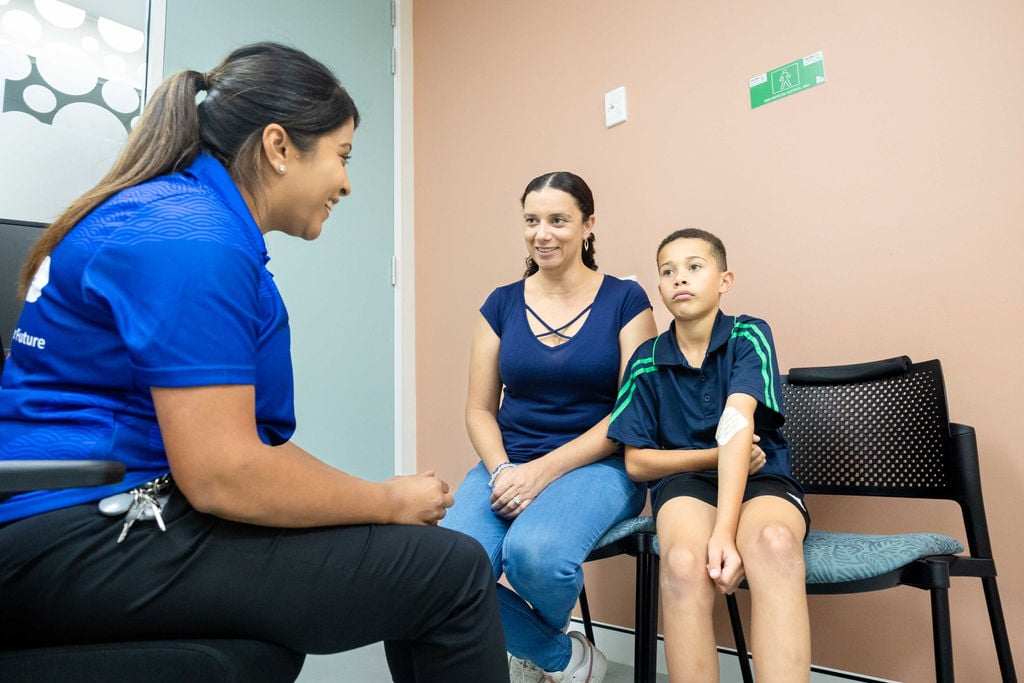
ORIGINS has several sub-projects exploring allergy development within the cohort, with a focus on respiratory conditions such as asthma and nutritional strategies for allergy prevention.
Children who were born with reduced gestational age, birthweight, and birth length have persistently increased rates of infection-related admissions to hospital until age 18 years
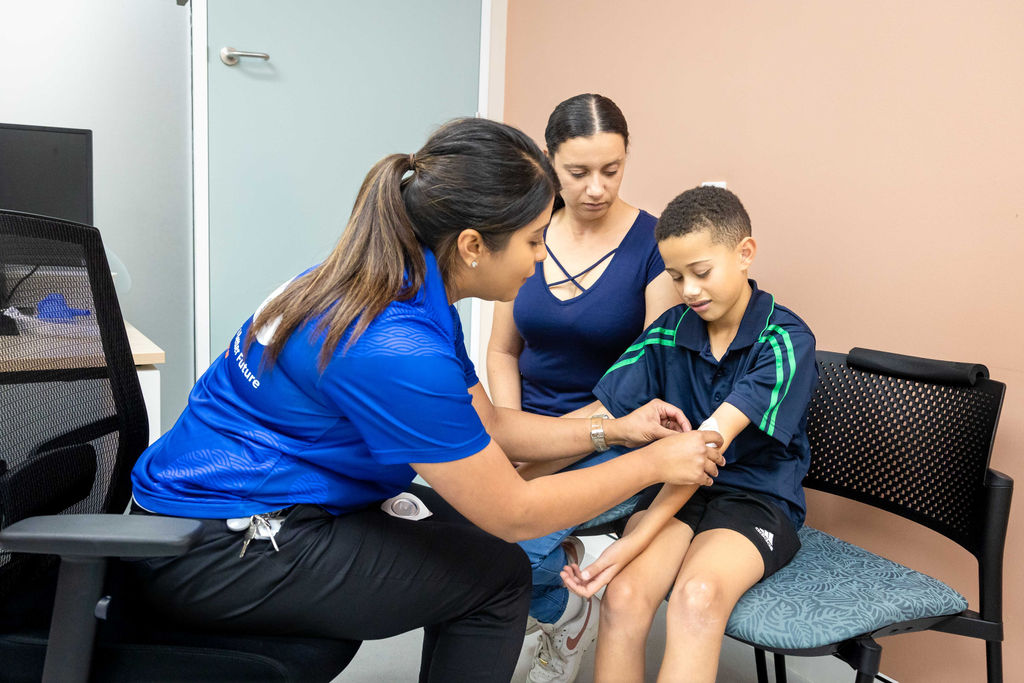
Exploring opportunities for early diagnosis and intervention and the impact this has on improving family healthcare.
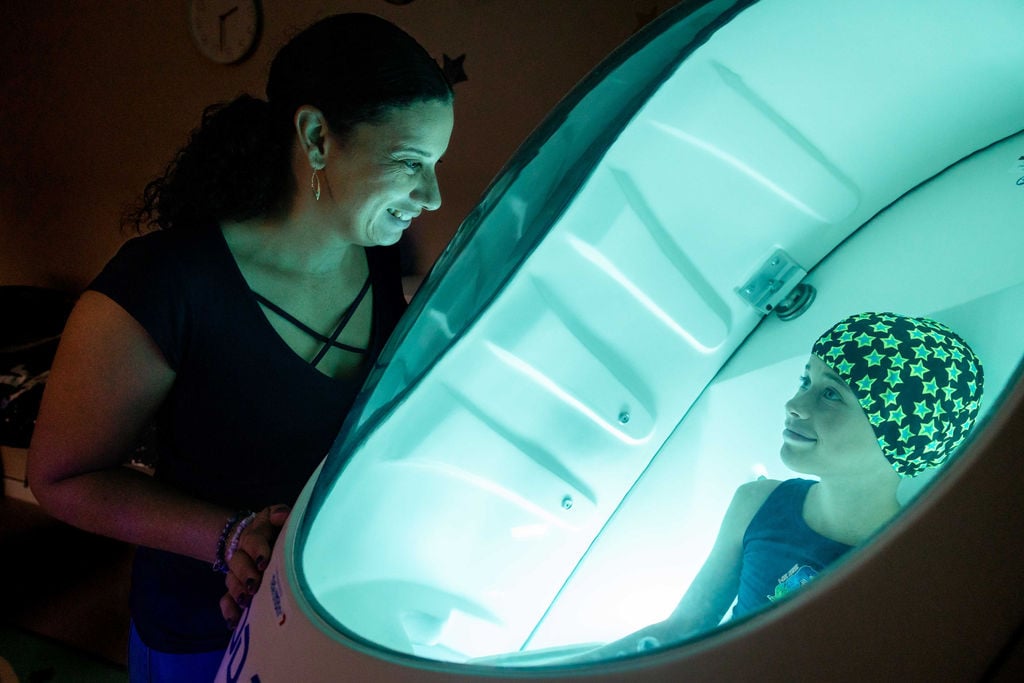
This research domain focuses on understanding how early biological and physical factors shape infant growth, body composition, and neurodevelopment from the earliest stages of life.

The Healing Kids, Healing Families team strives to understand how trauma and adverse circumstances can impact a child and their family, and how we can help them to recover from these experiences.

With rising levels of physical and mental health issues, ensuring children establish good physical activity behaviours early in life is more important than ever.